
“ONE test of the correctness of education procedure is the happiness of the child,” said the great educationalist, Maria Montessori.
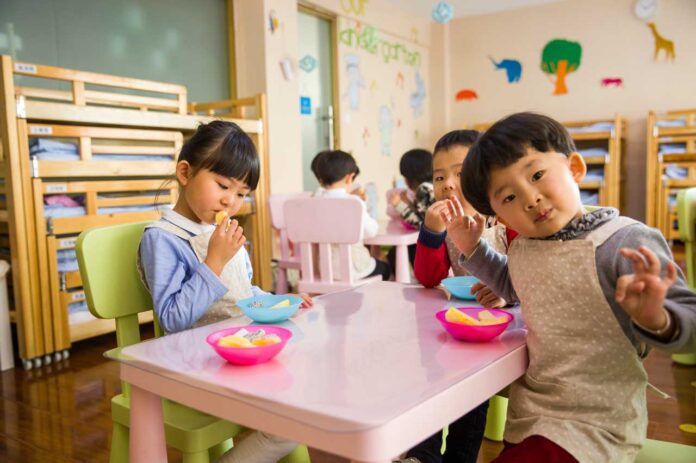
In 2032, Kindergarten hours in Victoria will double to 30 hours per week due to sweeping early years educational reforms. For educators and teachers, it is an invigorating opportunity to make the most of their students’ formative years, while immersing the children in a rich, play-based (Montessori inspired) curriculum.
For national director of SmartPlay Early Learning, Helena Williams-Johnson, the reforms will better assist children to transition to school.
Using overseas data, where full-time kindergarten has been successfully implemented, and from personal case studies, Helena says, “The children with five days a week have greater school readiness, get less tired at school are more emotionally prepared and have developed core social skills to be able to fully engage with the learning environment and peers.”
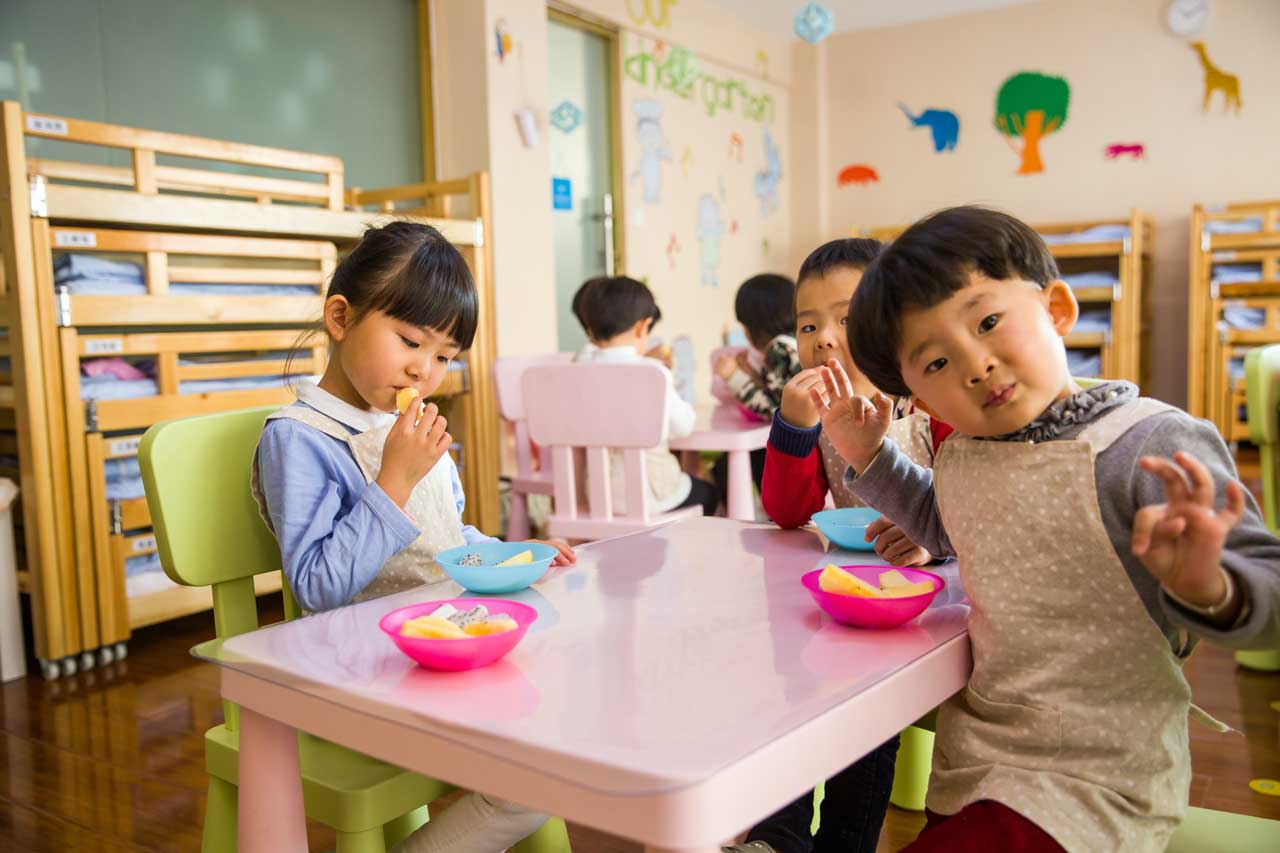
For Sally Rose, early years manager for Greater Shepparton City Council, the reforms signify a significant step forward in early education but emphasise that the individual needs of children must be addressed, saying “If we get it right in the early years — value children and the basic skills that are working to acquire — it sets them up for life.”
Critically, it is the application of the rich early years’ curriculum and educator skill, that the success of the new reforms rest, as Sally says,
“It comes down to the individualisation of child learning in kindergartens and centres and the quality of interactions between the child and educators.”
Knowing, as Maria Montessori said, ‘Early childhood education is the key to the betterment of society,” let’s hope the reforms support educators sufficiently, to build the future.