

By Aaron Cordy
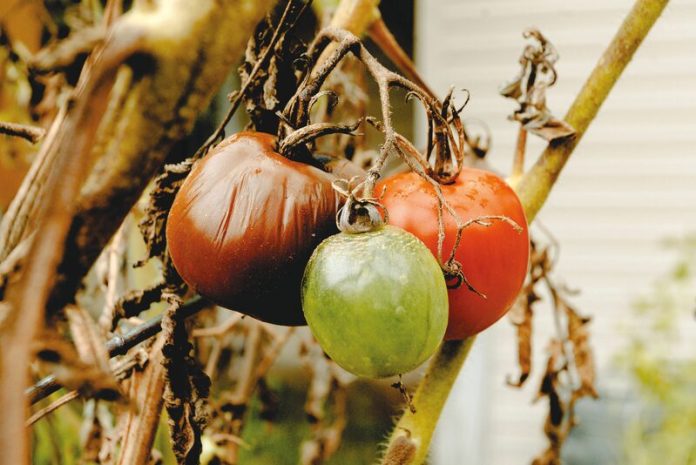
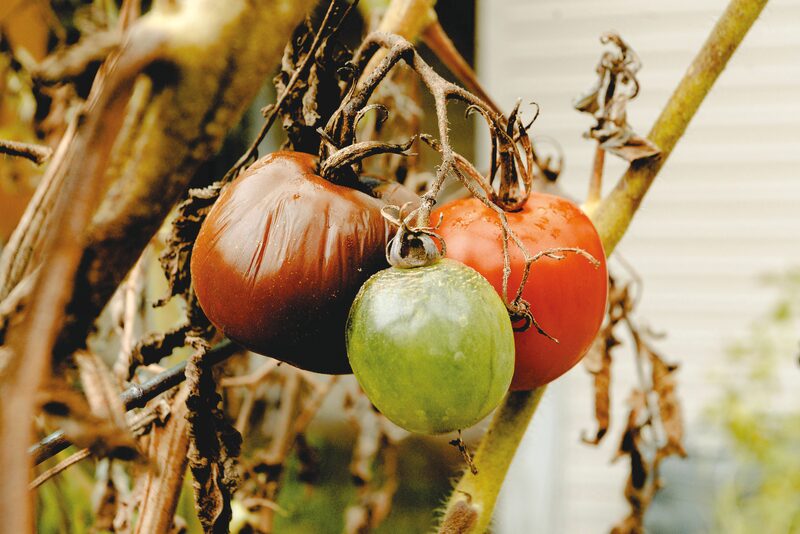
A TOMATO crop in Katunga has had to be destroyed after the Tomato brown rugose fruit virus (ToBRFV) was detected at a tomato glasshouse facility.
ToBRFV is not harmful if consumed according to Agriculture Victoria (AV) but is highly contagious and can have a devastating effect on tomato, capsicum and chilli yields, reducing them by up to 75 per cent.
The virus was originally discovered in South Australia in August 2024 and was transferred to Katunga Fresh via tomato seedlings that were moved without authorisation but has now been contained with the facility put under quarantine, according to Victoria’s Chief Plant Health Officer, Dr Rosa Crnov.
After national agreement on a pilot protocol to support trade, tomato seedlings were moved without authorisation from a decontaminated production nursery in South Australia to the Victorian business in mid-December 2024,” Dr Crnov said.
“Following notification that a plant grown in association with these seedlings had tested positive in SA, Agriculture Victoria implemented movement controls on the glasshouses at the Victorian facility and conducted extensive surveillance, which identified an infected plant.
“This detection is linked to a specific movement of plant material and there is no evidence that ToBRFV is present in any other location in Victoria.”
ToBRFV was first detected in the Middle East in 2014 and has since been reported in Europe, China, Mexico, and the USA. The virus has been the subject of two previous suspected detections in Australia in 2019 and 2020, both of which were confirmed as negative. The current detection is the first confirmed case of ToBRFV in Australia.
Katunga Fresh was unavailable for comment but with the quarantine and action plan in place, AV believes no other producer should be affected.
“We maintain confidence in the freedom of the rest of the state from ToBRFV and continue to monitor the national situation closely to determine if changes to our biosecurity measures are required,” said Dr Crnov.
Victorian tomato and capsicum producers and home gardeners are encouraged to monitor their crops and to contact AV if they suspect the disease might be present at agriculture.vic.gov.au or call 1800 084 881.