

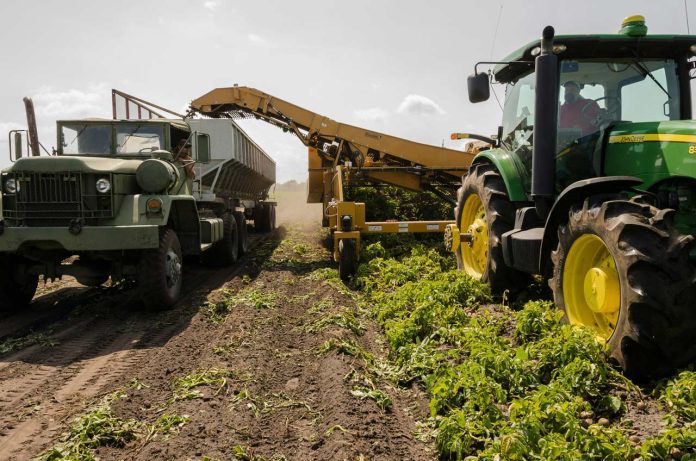
In recent years, the intersection of agriculture and cryptocurrency has created unprecedented opportunities for modernising one of humanity’s oldest industries. While bitcoin price prediction models continue to influence investment strategies in the agricultural sector, this comprehensive analysis explores how blockchain technology and digital currencies are revolutionising agrarian practices, creating new financial opportunities, and addressing long-standing challenges in the farming sector.

Digital Transformation in Agricultural Finance
Complex lending processes, high interest rates, and limited access to capital for small-scale farmers have long characterised the traditional agricultural financing landscape. Cryptocurrency and blockchain technology are fundamentally altering this paradigm by introducing innovative financial solutions. Through smart contracts and decentralised finance (DeFi) platforms, farmers can now access loans and financial services without the traditional barriers imposed by conventional banking systems. These digital solutions enable rapid loan processing, reduced transaction costs, and more flexible repayment terms tailored to agricultural cycles.
Supply Chain Transparency and Traceability
One of the most significant impacts of blockchain technology in agriculture is the enhancement of supply chain transparency. From seed to table, every step of the agricultural process can be recorded immutably on the blockchain, creating an unbroken chain of custody. This transparency helps combat fraud, verify organic and fair-trade certifications, and provide consumers with detailed information about their food’s origin. Agricultural businesses implementing blockchain-based tracking systems have reported increased consumer trust and premium pricing for their products, demonstrating the tangible benefits of this technology.
Smart Farming and IoT Integration
The integration of cryptocurrency technology with Internet of Things (IoT) devices has led to smart farming practices. Automated systems can now monitor crop conditions, soil quality, and weather patterns, with data stored securely on the blockchain. Based on this data, smart contracts can automatically trigger actions, such as irrigation systems or fertiliser distribution. These systems often utilise utility tokens or cryptocurrencies for automated payments and system management, creating a seamless digital ecosystem for modern farming operations.
Tokenisation of Agricultural Assets
Agricultural asset tokenisation represents a revolutionary approach to farm financing and investment. By converting physical assets such as farmland, equipment, or harvest yields into digital tokens, farmers can access new forms of capital without surrendering full ownership of their assets. This process democratises agricultural investment, allowing smaller investors to participate in agrarian markets while providing farmers with more flexible financing options. Tokenisation also enables fractional ownership of farming assets, increasing market liquidity and investment opportunities.
Environmental Sustainability and Carbon Credits
Cryptocurrency technology is facilitating the development of sophisticated carbon credit markets in agriculture. Farmers implementing sustainable practices can now earn carbon credits, which are tracked and traded using blockchain technology. These digital systems ensure transparent verification of environmental benefits while creating additional revenue streams for environmentally conscious farmers. The integration of cryptocurrency in carbon markets has streamlined the process of measuring, reporting, and trading carbon credits, incentivising sustainable agricultural practices.
Peer-to-Peer Agricultural Trading
Blockchain-based platforms have enabled direct peer-to-peer trading between farmers and buyers, eliminating many traditional intermediaries. These platforms utilise cryptocurrencies for payment, reducing transaction costs and enabling near-instantaneous settlement. Small-scale farmers particularly benefit from this development, as they can access global markets directly and receive fair prices for their products. Eliminating intermediaries not only increases farmers’ profit margins but also often results in better prices for consumers.
Risk Management and Insurance
Agricultural insurance has been transformed through the implementation of smart contracts and cryptocurrency technology. Smart contracts can now execute parametric insurance policies, which automatically pay based on predefined conditions such as weather events or market prices. This system ensures rapid claim settlement and reduces administrative costs. Cryptocurrency-based insurance platforms have made agricultural insurance more accessible and efficient, helping farmers better manage risk in an increasingly unpredictable climate.
Agricultural Data Marketplaces
The emergence of blockchain-based agricultural data marketplaces has created new opportunities for farmers to monetise their operational data. Farmers can securely share and sell weather patterns, crop yields, and soil conditions recorded on these platforms, with compensation provided in cryptocurrency. This data sharing benefits the broader agricultural community while creating additional revenue streams for farmers who contribute valuable information.
Regulatory Compliance and Food Safety
Blockchain technology simplifies regulatory compliance and food safety monitoring in agriculture. Immutable records of farming practices, pesticide use, and handling procedures help farms meet regulatory requirements while reducing administrative burden. In cases of food safety concerns, blockchain records enable rapid tracing of contaminated products to their source, potentially saving lives and minimising economic damage from recalls. These systems often incorporate cryptocurrency rewards for participants who maintain high compliance standards.
Future Prospects and Challenges
The integration of cryptocurrency and agriculture continues to evolve, presenting both opportunities and challenges. Technical literacy among farmers, internet connectivity in rural areas, and regulatory uncertainty remain significant hurdles to widespread adoption. However, the potential benefits of increased efficiency, transparency, and access to capital continue to drive innovation in this space. As blockchain technology matures and becomes more user-friendly, its adoption in agriculture is expected to accelerate.
Education and Adoption Strategies
The successful implementation of cryptocurrency solutions in agriculture requires comprehensive education and training programs for farmers and agricultural stakeholders. Organisations and governments are increasingly investing in digital literacy programs specifically tailored to agrarian applications of blockchain technology. These initiatives focus on practical applications, risk management, and best practices for integrating digital solutions into farming operations.
Conclusion
The convergence of agriculture and cryptocurrency represents a significant opportunity for modernising and improving agricultural practices worldwide. From enhancing financial access to ensuring food safety and promoting sustainable farming practices, blockchain technology and digital currencies are addressing fundamental challenges in agriculture. While obstacles to adoption remain, the potential benefits of this technological integration suggest that the relationship between agriculture and cryptocurrency will continue to strengthen and evolve.
The success of this digital transformation in agriculture will largely depend on the collaborative efforts of technology providers, agricultural experts, and policymakers to create solutions that are both sophisticated and accessible to farmers at all levels. As these technologies mature and become more widespread, they have the potential to create a more efficient, transparent, and sustainable agricultural sector that benefits producers and consumers alike.
This content is provided by a third party