By Natasha Fujimoto
PUT simply, to travel is to live a richer life. By smelling, touching, and experiencing the world’s cultures, we come to better understand our own—and our place within it.
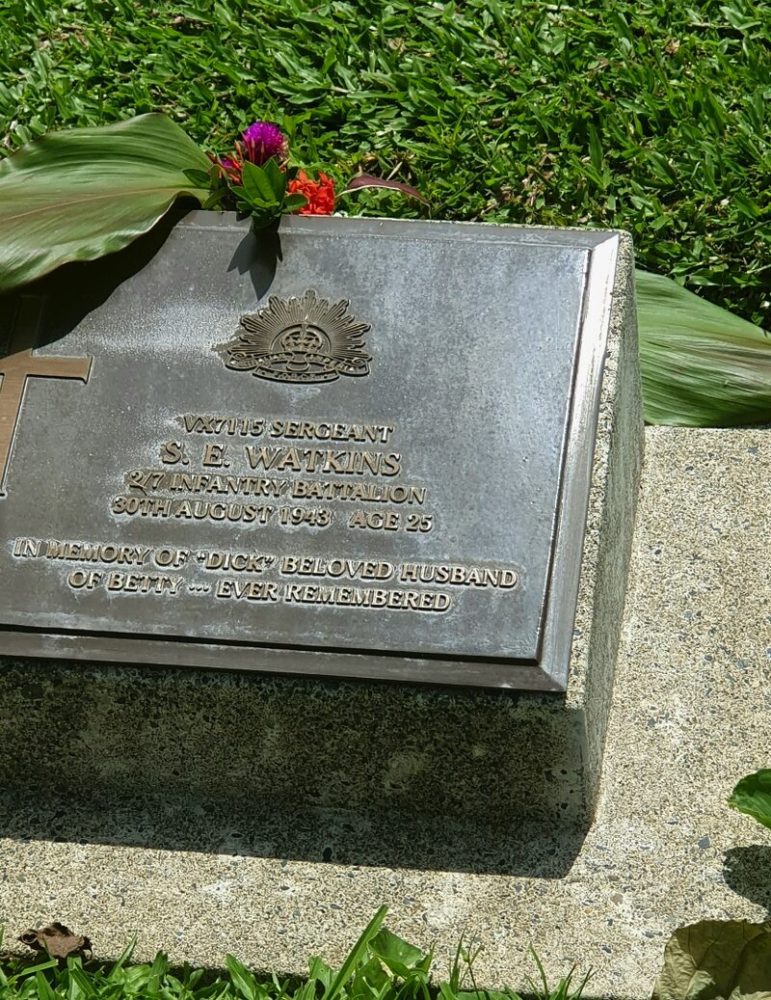
When Carli Lappin and her partner Greg recently travelled to Papua New Guinea to honour Greg’s uncle, Sgt Stanley ‘Dick’ Watkins, who was laid to rest at the Lae War Cemetery, they were deeply moved by the experience. Coinciding with ANZAC Day commemorations, their journey stirred powerful emotions, not only in remembering personal and national history, but also in connecting with a country whose wartime past is closely tied to Australia’s, and whose culture is both vibrant and captivatingly different.
Sgt Watkins was shot by a sniper during a jungle skirmish in late August 1943. His final resting place in Lae—307 km north of Port Moresby—had long been a destination Greg hoped to visit, particularly with his father, Ron. He felt a deep pull toward the brave, stoic young man whose voice and character still echoed through preserved wartime letters and diaries.
Arriving in Port Moresby on Good Friday, Greg and Carli soon joined their tour group and were pleased to find that most of the 13 fellow Australians were war history enthusiasts, whose company, passion and respect for historical facts, Greg and Carli greatly enjoyed. Many were touched by Greg’s personal connection to PNG and his reason for being there, to pay tribute to a beloved uncle whose story had been part of his life since childhood.
With open hearts and a sense of curiosity, Carli’s first impressions of Port Moresby were a mix of fascination and intrigue.
“It’s dark for a city,” Carli said. “There are large fences everywhere with many topped with razor wire. I counted eight security guards between the hotel gate and the entrance.”
Yet despite the security presence, Carli never felt unsafe. She described the city’s markets as “an explosion of fresh food stalls with the most divine fruit and veggies you’ll ever eat, with betel nut, drinks, and clothing all sold beneath colourful beach umbrellas that stretch as far as the eye can see.” With no public transport system, the streets were alive with foot traffic and bustling minibuses owned by local villagers.
As they boarded their own 20-seater tour bus, Carli said, “Everywhere you stop, people come from all directions. They want to talk, shake your hand. They’re incredibly friendly. As you drive along, everyone beeps and waves.”
A highlight of their journey was attending the beautifully organised dawn service at the Port Moresby Bomana War Cemetery on ANZAC Day. The next day, the group flew to Lae, soaring over seemingly impenetrable jungle and the towering Owen Stanley mountain ranges. In contrast to Port Moresby, Lae—Papua New Guinea’s second-largest city—felt more industrial, with a noticeable Chinese business presence. From there, the group ventured off-road to explore historic military sites.
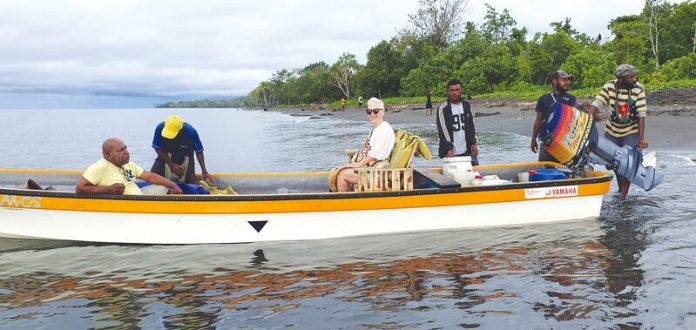
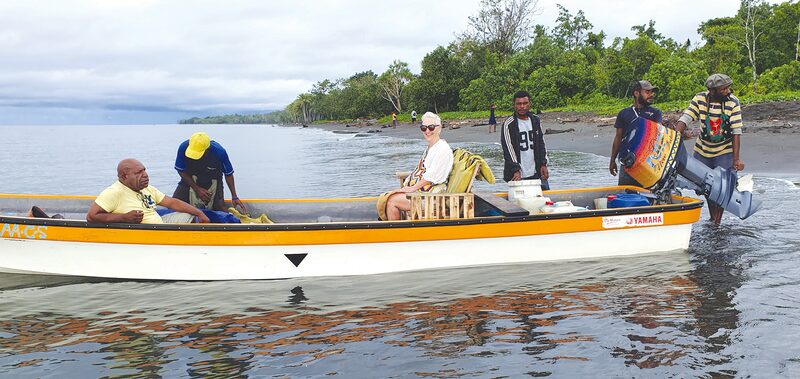
An unexpected detour due to a change of plans led them to spend a night at Kapa Kona Guest House in Yambo Village, about 90 minutes from Lae. There, Greg and Carli were offered a rare opportunity to experience the subsistence lifestyle of the locals. The stop provided a powerful perspective on the harsh realities faced by soldiers during the war.
“Everywhere you looked, you couldn’t stop thinking about how hard it must have been,” Carli said. “The jungle is so dense. You realise how vital the bond between soldiers and their local guides must have been, they simply had to trust them. The heat, the humidity, the physical exhaustion… and that’s without being shot at or having to worry about food and water. Everyone in our group kept saying, ‘At least we’re not being shot at.'”
One particularly moving moment came during a dinner shared with local porters who had recently completed the Kokoda Trail with another trekking group.
“It was one of the most incredible moments of the whole trip,” Carli said. “When we were introduced to the porters, the energy in the room shifted. It was beautiful, you could feel how proud the porters were and how grateful the trekkers felt. The bond they had formed in just a week of trekking was palpable.”
The emotional heart of the journey came when Greg and Carli finally visited the Lae War Cemetery. Surrounded by lush gardens, vivid green lawns, and neat rows of stone markers with brass name plates, they found Sgt Watkins’ grave.
“It was a very emotional moment for Greg, and humbling for me,” Carli said. “To see him finally standing at his uncle’s resting place was incredibly moving. Everyone in our group was so invested in Greg’s story. They were genuinely touched. And, of course, many of them had their own family members who had served too.”
To read part one of this story scan the QR code or visit https://www.sheppadviser.com.au/how-can-i-not-a-story-in-memory-of-sgt-stanley-dick-watkins/
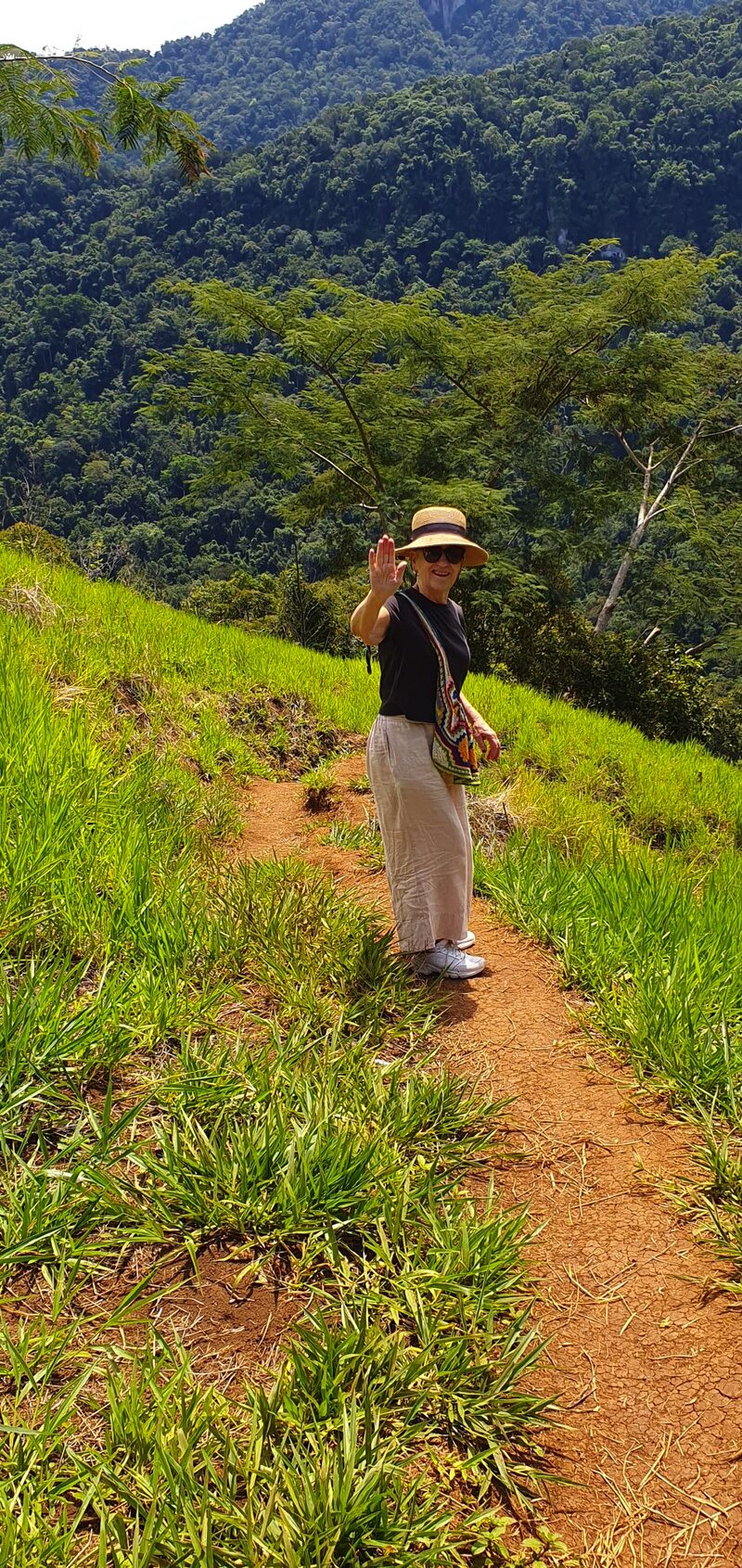

Photo: Supplied