

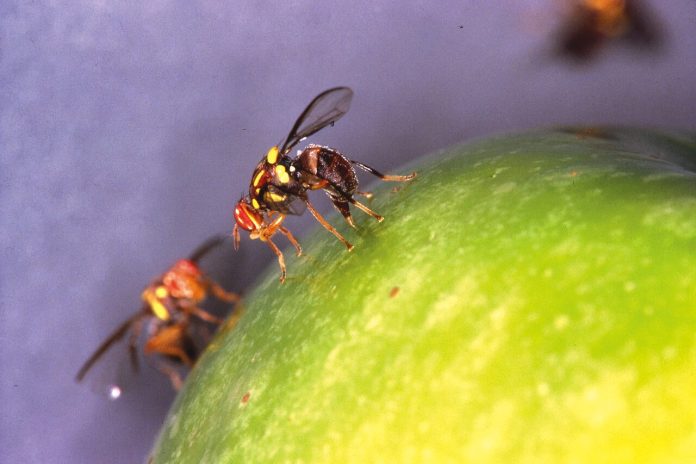
GREATER Shepparton City Council has secured State Government funding for the Goulburn Murray Valley (GMV) Fruit Fly Program, to continue vital efforts in managing Queensland Fruit Fly (Qfly) across the region.
The GMV Fruit Fly Program incorporates the municipal areas of Greater Shepparton, Moira Shire, Campaspe Shire and Strathbogie Shire Councils.
Partnering councils, alongside Fruit Growers Victoria and Cobram and District Fruit Growers Association, has been advocating for $1M per annum to roll out a high input area wide management program across the Goulburn Murray Valley.
Whilst the full amount has not yet been made available, Council was successful in receiving $469,000 for the 2025/26 financial year. The State Government advised they will also provide funding for the 2026/27 financial year. However, this amount is yet to be confirmed.
While the funding is less than anticipated, Mayor Councillor Shane Sali said it ensures critical work can continue to support the region’s $1.6B horticultural industry.
“This money will be put towards further targeted fruit fly education and control. While it is less than we had been advocating for, the funding will ensure some work can continue to support our region’s horticultural industry,” he said.
“The funding is critical as we head into summer, a vital time for Queensland Fruit Fly breeding. We know that they breed quickly in urban areas and migrate to orchards, which is extremely concerning,” said Mayor Sali. “Currently, the majority of fruit growers in our region protect their farms from Queensland Fruit Fly using baits and spray, however, they do so at significant cost to their bottom line.”
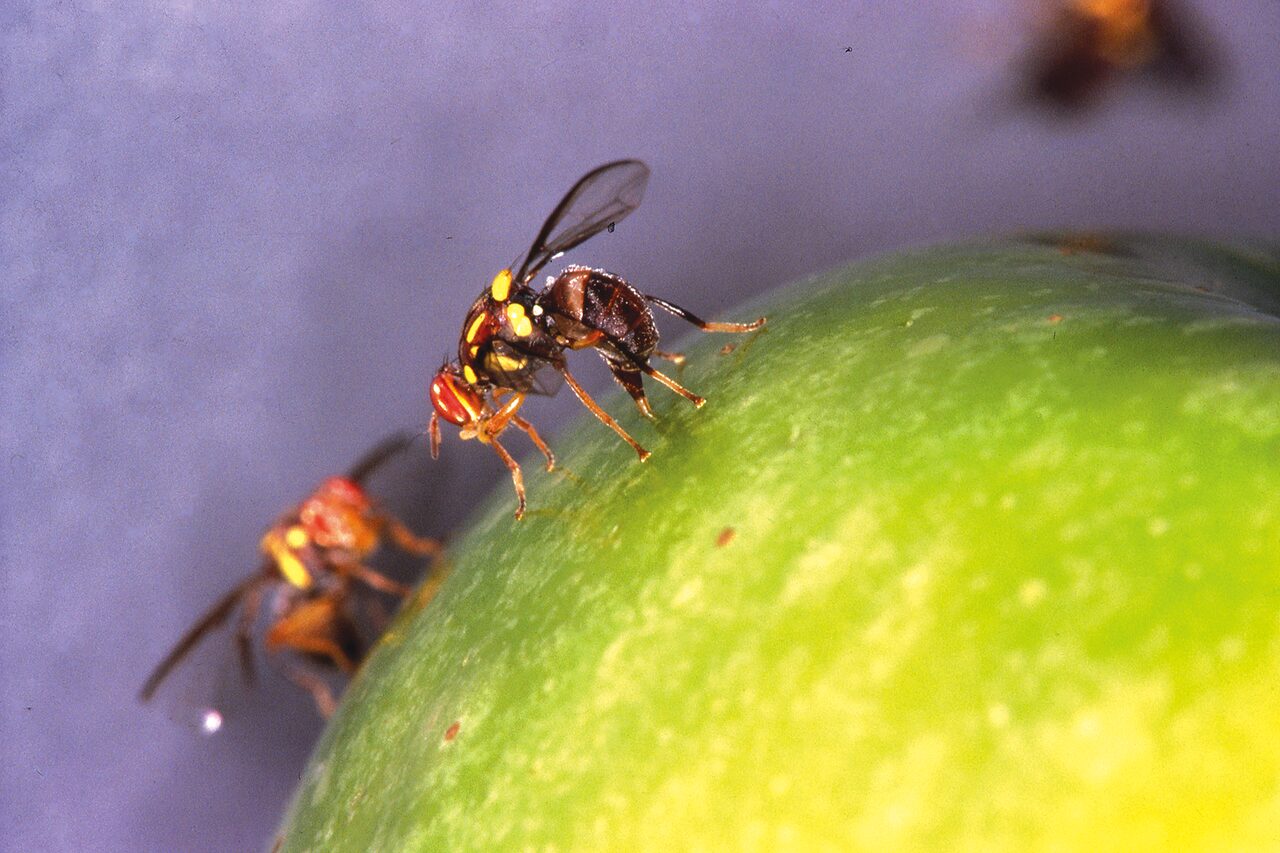
The funding will continue to support a dedicated Fruit Fly Coordinator, alongside two part time Field Officers, who will undertake Qfly education within the community. The funding will also support volunteer engagement, marketing and signage, and community workshops, while ensuring a targeted trapping grid can recommence.
The GMV Fruit Fly Management Program saw positive results over many years, with Qfly numbers reducing by over 95 per cent in 2017 and then a further 60 per cent in 2018. However, these positive results suffered post 2020 when government funding was reduced resulting in a less intensive area wide management program. Since this funding cut, Qfly numbers have increased by over 183 per cent since 2021.
“The significant funding cuts have resulted in less proactive fruit fly management occurring within urban areas,” said Cr Sali. “Management of Queensland Fruit Fly in these urban areas is crucial to ensuring we can manage any risk to our horticultural industry.”
To manage Qfly in the community, residents are encouraged to:
Actively manage their fruit and vegetables if they live near identified Fruit Fly ‘hot spots’
Inspect produce for sting marks, strip plants of infested produce and dispose of it by solarisation
Purchase fruit fly netting to prevent Qfly from stinging their produce
Remove any unwanted/unmanaged Qfly habitat from their land
Pick produce early rather than late, and prune fruit trees to a managable size so fruit is not left high in the trees
If individuals have problems with infested fruit trees from neighbouring properties impacting their land, they should report it to the GMV Fruit Fly Coordinator, Ross Abberfield, who will take appropriate action.
For further support and advice, visit https://fruitflycontrol.com.au/