
By Deanne Jeffers
MOTHER’S Day offers more than a moment for celebration; it’s also a chance to reflect on how motherhood in Australia is evolving.
The latest figures from the Australian Bureau of Statistics (ABS) show there are about 6.58M mothers nationwide, spanning both couple and single-parent households. More than one million families are led by a single parent, and in most cases, that parent is a mum, underscoring the central role women continue to play in family life.
Motherhood today is increasingly balanced alongside work. Just over half of all mums (53.4 per cent) are in the workforce, while nearly half a million families rely on a stay-at-home mother.
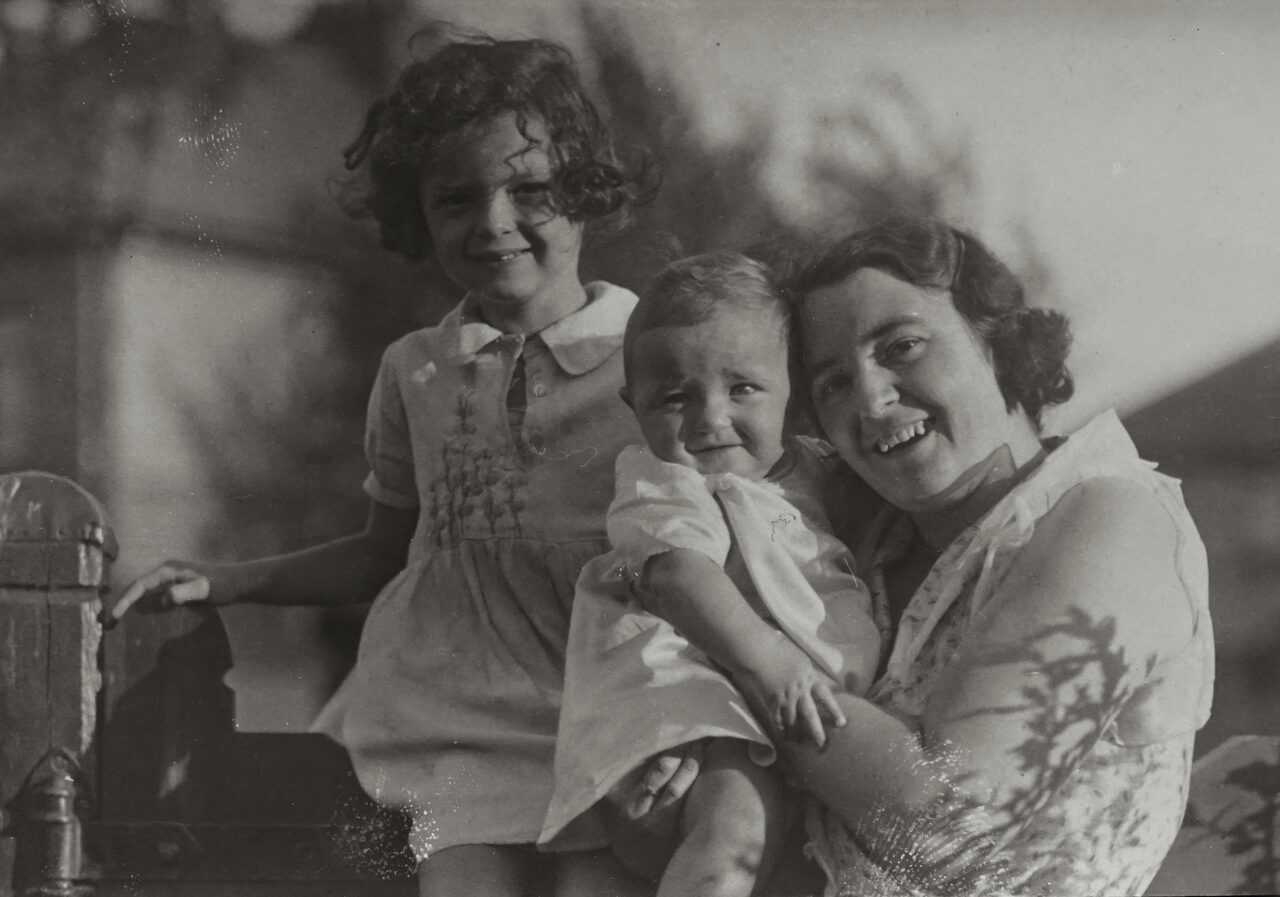
Compared to 50 years ago, the mid-1970s was a very different picture. Fewer than half of married women were in paid employment, and workforce participation was significantly lower. Many women left work when they had children, and part-time roles – now a key feature of working motherhood – were far less available. The recent data reflects both shifting economic realities and evolving expectations around parenting and careers.
It also paints a picture of who Australian mothers are beyond the home. Many are highly skilled, with strong representation in fields such as nursing, business, and accounting. Their working lives often mirror this, with common roles including clerical work, retail, teaching and caring professionals, jobs that quietly underpin communities nationwide.
At the same time, the way families are formed is changing. According to the Australian Institute of Health and Welfare (AIHW), the birth rate has fallen to its lowest levels recorded, while the average age of mothers continues to climb, now sitting at 31.3 years. Fewer teenagers are becoming mothers, while more women are having children later in life, a shift that reflects broader social and economic trends.
Australia’s cultural landscape is also evolving. The proportion of First Nations babies is rising, and family sizes are gradually shrinking, with two children remaining the norm but larger families becoming less common.
Together, these figures tell a story of modern motherhood: one that is older, more diverse, more workforce-engaged, and shaped by changing choices and circumstances.
The next national Census, set for August 11, 2026, will provide a fresh snapshot, but the direction is already clear. Motherhood in Australia is evolving, and with it, the shape of the Australian family.