

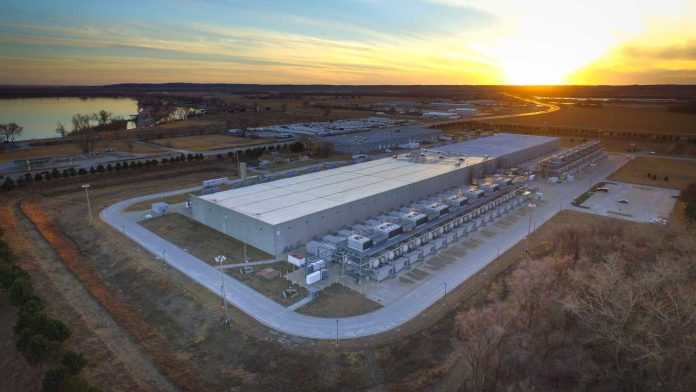
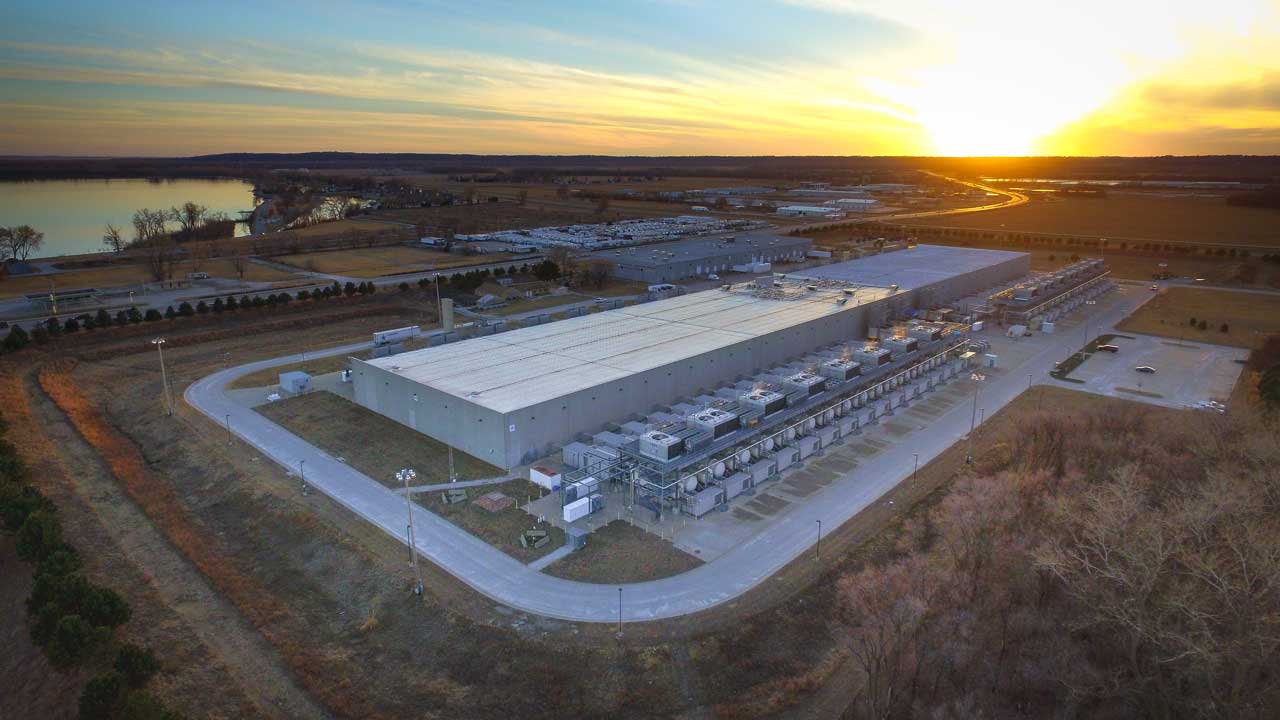
FARMERS are warning Victoria could be heading towards a battle for land, water and energy as a booming data centre industry expands across the state.
The Victorian Farmers Federation (VFF) has raised concerns that more than 30 proposed data centre projects could place increasing pressure on the resources that underpin the state’s $25 billion agriculture sector.
The organisation has released an issues paper calling for greater scrutiny of the rapidly growing sector, warning that the long-term impacts on agriculture and regional communities are not yet fully understood.
VFF President Ryan Milgate said the issue was not whether data centres should be built, but how Victoria manages their growth.
“This is not a debate about whether data centres should exist. It’s about ensuring we properly understand the consequences of going all-in without a plan for these incredibly resource-intensive facilities,” Mr Milgate said.
Analysis contained in the paper suggests proposed developments could collectively require around nine gigawatts of electricity, equivalent to four Loy Yang A power stations, while water demand is also forecast to rise significantly.
The VFF estimates that by 2030, data centres could consume enough water each year equal the annual water use of an extra 330,000 Victorians.
Mr Milgate said farmers were increasingly concerned they would be forced to compete with major infrastructure projects for access to land, water and renewable energy generation.
“We’re on a collision course where Victoria’s farming sector will compete with this infrastructure for water and land to host renewable energy infrastructure. We’re already seeing this and with massive investment in the pipeline, this could just be the tip of the iceberg,” he said.
The VFF is seeking answers about how data centre sites will be selected, how water allocations would be managed during drought, who would fund additional infrastructure, and what protections would be available for neighbouring landholders.
Mr Milgate said Victoria should learn from overseas experiences, where regulations were often introduced only after large-scale data centres had already placed significant pressure on local infrastructure, electricity systems and water supplies.
“We know that state and federal policymakers are already grappling with these issues, and it’s important that farmers are at the table in those discussions,” he said.
“The decisions being made today will shape Victoria’s landscape and resource use for decades to come and we need to make sure we get them right.”