

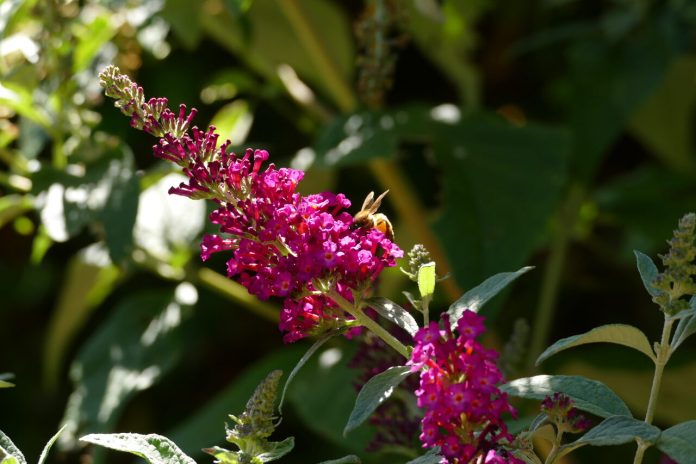
SPRING brings bountiful, blooming gardens, and bees play an important role in pollinating many of the plants that make them possible.
To help bees thrive in your backyard, plant a variety of flowering plants that provide both pollen and nectar, and avoid using insecticides where possible.
Choosing a diverse mix of plants with different flowering periods can provide food for bees across more of the year. According to the Australian Native Bee Research Centre’s Aussie Bee website, plants including bottlebrush (callistemon), native rosemary (westringia), lavender and daisies can attract bees.
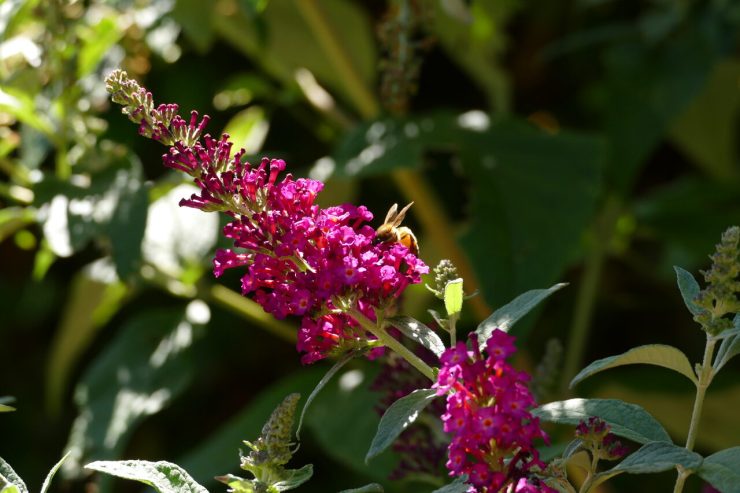
Avoid using broad-spectrum insecticides, particularly when plants are flowering and bees are actively foraging. Where possible, choose less harmful alternatives to manage garden pests.
Bees also need water and places to nest. During warmer months, provide a shallow water dish with pebbles, twigs or corks for bees to safely land on while drinking. Leaving some bare soil, hollow stems or untreated timber in a sheltered area can also provide potential nesting sites for native bees.