
First-time travellers tend to pack for every possible scenario. Experienced ones pack for the most likely ones and deal with the rest on arrival. The difference is not about having better gear or spending more on luggage. It comes down to knowing what actually gets used on a trip and what will remain at the bottom of the bag for two weeks. A few changes in approach can cut the weight and stress of packing without leaving you short on essentials.
Tech That Earns Its Place
Seasoned travellers carry less tech, but what they bring is set up properly before they leave. A phone with offline maps, translation apps, and a pre-loaded data plan does the job of several separate devices.
Sorting connectivity before departure is one of the easiest ways to avoid wasted time at the airport. A travel eSIM from Holafly lets you set up data on your phone before you fly, so it works the moment you land. There’s no need to queue at a SIM counter or hunt for reliable public Wi-Fi.
A portable charger, one universal adapter, and a single charging cable that covers your devices are enough. Leave the laptop at home unless your trip specifically requires it.
Fewer Clothes, More Versatility
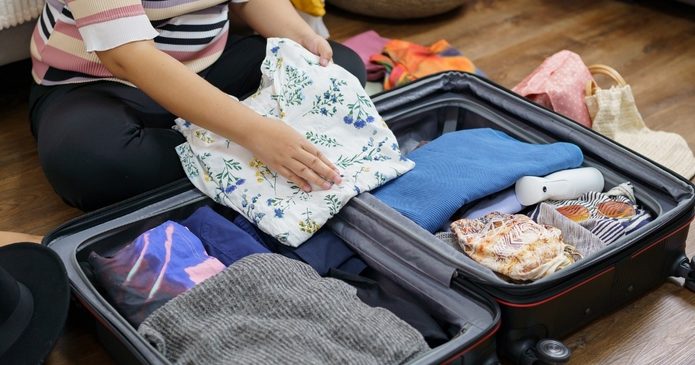
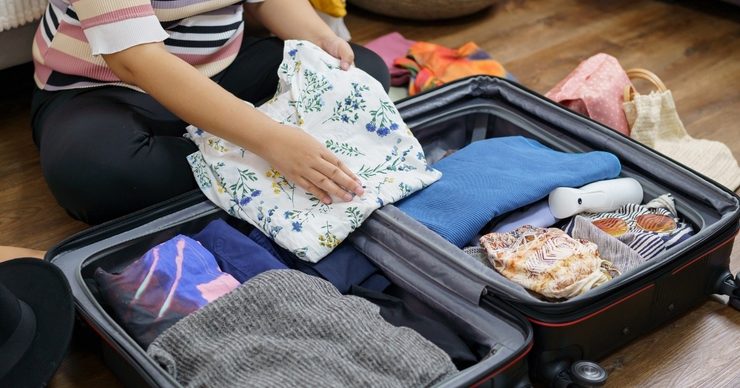
New travellers pack outfits. Experienced travellers pack pieces that can be combined. A few neutral-coloured tops, one or two pairs of trousers or shorts, a light layer, and a rain shell cover most situations. Dark colours hide stains. If you have any fabrics that dry overnight, you can wash them and wear them again the next day.
The goal is to have a bag that’s light enough to carry comfortably through a train station or over cobblestones.
One Bag, Not Two
Checking luggage adds wait time at both ends, creates the risk of loss, and limits your flexibility when plans change. Experienced travellers fit everything into a single carry-on-sized bag whenever possible. That constraint forces them to make better decisions about what to bring.
If you cannot fit everything into one bag, it usually means you are packing things you will not use. Cut the “just in case” items first. You can buy a cheap umbrella, a spare charger, or basic toiletries in almost any city in the world.
Toiletries and Medication
First-time travellers often pack full-size bottles of everything. Experienced ones bring small amounts of the essentials and buy the rest locally. Shampoo, sunscreen, and toothpaste are available almost everywhere and are not worth the luggage space or the hassle of dealing with liquid restrictions at security.
Medication is the exception. Bring everything you need for the full trip, plus a few extra days’ worth in case of delays. Keep prescriptions in their original packaging with the label visible, and carry a copy of the prescription separately in case you need to explain them at a border.
Documents and Backups
Paper itineraries and printed confirmation emails are a first-timer habit. Experienced travellers keep everything digital, stored in a single folder on their phone, with screenshots of the key documents saved offline. Boarding passes, hotel confirmations, visa approvals, and insurance details should all be in one place.
The one exception is a printed copy of your passport photo page and insurance policy, stored separately from the originals. If your phone dies or is stolen, that paper backup is the fastest way to sort things out at an embassy or police station.
What Gets Left Behind
The items experienced travellers stop packing are often the ones first-timers think are essential: travel pillows, extra shoes beyond one spare pair, hair tools, full toiletry kits, and specialist clothing for unlikely scenarios. Each one seemed important on the first trip and proved unnecessary by the third.
The pattern is simple. If it remained in your bag untouched last time, it should remain at home this time.
The Real Difference
A lighter bag makes every part of the trip easier, from the airport to the walking days to the last-minute decision to take a different train. Experience teaches you what you actually reach for, and everything else is dead weight.