

Bogongs moths are one of the country’s most impressive travellers
By Natasha Fujimoto
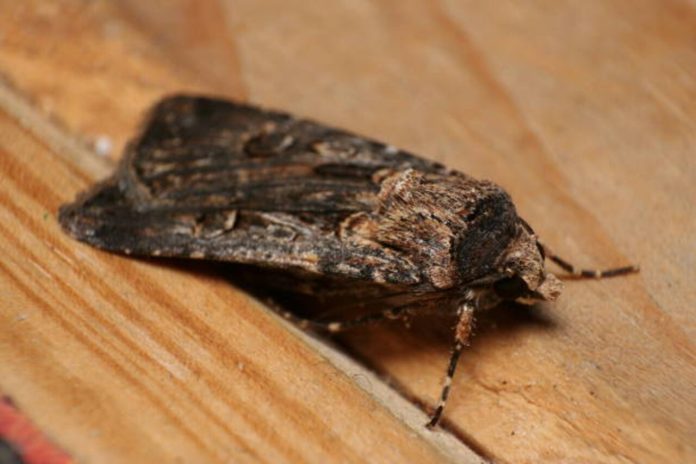
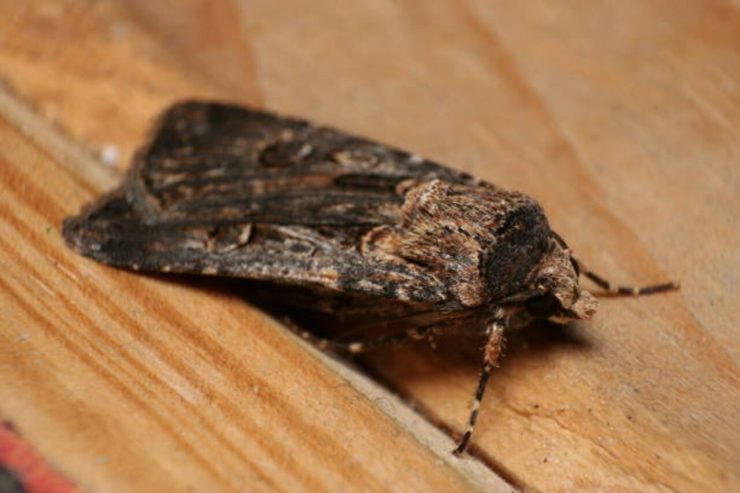
WITH a flutter of velvety wings, mottled brown and grey in colour and uncanny spots aligned along dark arrow-like streaks on each wing, Bogong moths – whether you’re nonchalant in their presence or completely freaked out by their proximity – do seem to be absolutely everywhere at the moment.
With a wingspan extending on average 4cm-5cm, although some may appear considerably larger when discovered unexpectedly under the kitchen table, they are currently teeming across our region. Drawn to illumination, they can often be seen fluttering against glowing windows, and hovering around door lamps as they continue one of Australia’s most remarkable natural migrations.
Streamlined with narrow wings designed for efficient long-distance flight, these plush-bodied months covered in soft, hair-like scales are extraordinary travellers. Each year, millions embark on an epic journey from inland breeding grounds across Victoria, New South Wales and Queensland to the cool alpine regions of southeastern Australia.
According to Greater Shepparton City Council Manager Environment Sharon Terry, the insects currently passing through the region are taking advantage of favourable seasonal conditions. Good rainfall and abundant vegetation in inland areas have provided ample food for developing larvae, while warm spring weather has produced flowering plants for adult moths to feed on. Recent north-westerly winds have also helped carry them towards the Alps.
While residents may feel there are more Bogong moths than usual, the current numbers actually represent something of a recovery. Populations have declined dramatically since the 1980s due to drought, rising temperatures, light pollution and pesticide use. With a recorded crash in numbers a decade ago, the months now being seen in homes, sheds and workplaces are a sign the species is rebounding towards more typical levels.
Gregarious and fascinating, young Bogong adults migrate to the Alps where they shelter in caves and rock crevices, often above 1,800 meters. It is because Shepparton is on their migratory path, that we are currently seeing so many of them about. Once they reach the alpine habitat they enter a state known as estivation, essentially summer hibernation, congregating in vast numbers that can blanket rock faces.
By late summer and early autumn, survivors begin the return trip to inland breeding grounds. Females can lay up to 2,000 eggs before dying, with the next generation hatching within days to begin the cycle again.
Far from being a nuisance, Bogong moths play a vital role in Australia’s ecosystems as they provide an important food source for birds, mammals and particularly the endangered mountain pygmy-possum, while also helping pollinate plants along their migration route. So, while they may be unsettling house guests, these annual visitors are among the country’s most impressive and ecologically significant travellers.