
DOG owners across Greater Shepparton are urged to be on high alert as a parvovirus outbreak in the region causes great concern.
Parvovirus is highly contagious and spreads through faeces, saliva and vomit from infected animals.
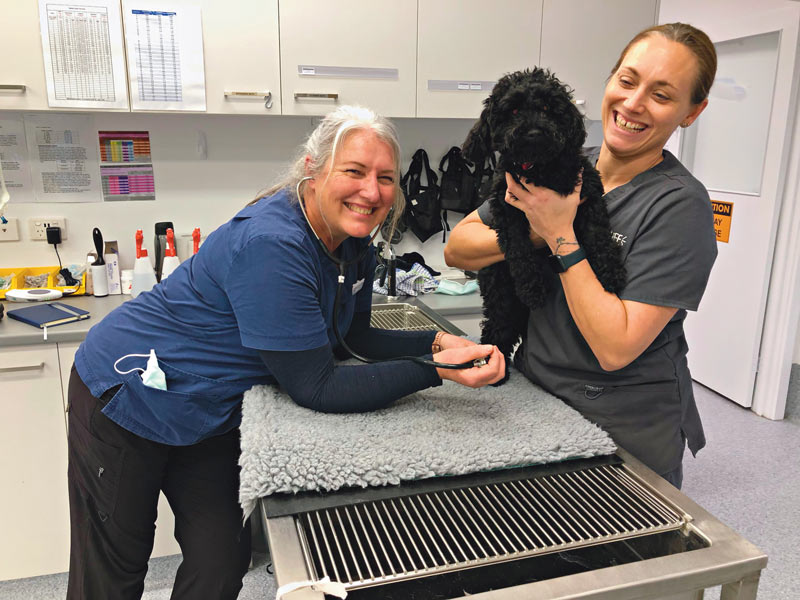
“Parvo is endemic in our region, there’s always a risk of an outbreak. Local dog owners should be vigilant and work with vets to give them the best chance at fighting the disease,” Fur Life Vet and clinical lead, Tiffany Ellis said.
Until a puppy or dog is fully vaccinated, they should be kept isolated and away from environments where Parvo could be caught. As new animals may be incubating the disease and not yet showing clinical signs, new dogs or puppies should not be mixed until they are known not to carry the disease.
If your puppy or adult dog contracts Parvo, treatment is intensive and expensive, as affected dogs deteriorate over a 48-hour period and require admission to hospital, blood tests, intravenous fluids, tube feeding, analgesia and sometimes plasma transfusions.
The average hospital stay is around 4-7 days and many patients who receive inadequate treatment will succumb to the disease.
It’s also costly, being around the $1800-$2500 mark depending on length of stay and level of intensive care required.
“Parvo virus can be easily prevented by vaccination. If puppies or older dogs have insufficient antibodies, they will be at risk of contracting parvo due to its highly contagious nature and the length of time the virus can survive in the environment,” Tiffany Ellis said.
“It is important for owners to take steps to vaccinate their pets when there is a parvo outbreak in the area.”
Clinical signs in some animals may be inapparent, and the most common clinical signs of Parvo include vomiting and diarrhoea where the diarrhoea can range from mucousy (jelly-like) to bloody, tiredness, reluctance to play, disinterest in food and a possible fever.