

By Aaron Cordy
MANY people believe that accidents and emergencies are the biggest users of donated blood products, but 34 per cent of donated red cells are used by people with cancer and blood conditions.
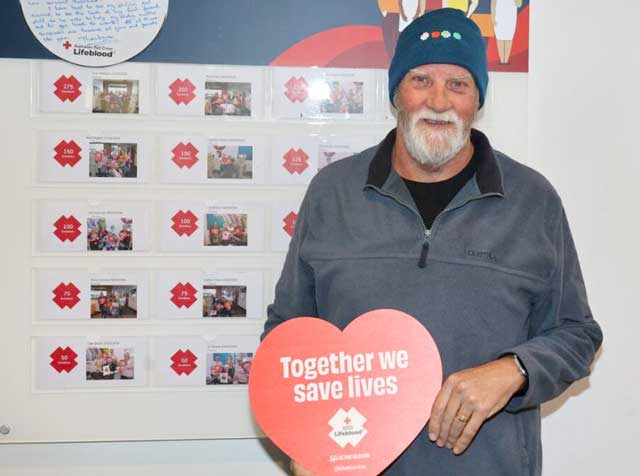
Shepparton resident and retired paramedic, Stephan Palmer, began donating blood when he was 18, following the example of his parents, who donated while he was growing up. The nature of his job meant he couldn’t donate as often as he would have liked, but he reached 144 blood donations and countless plasma donations before a heart condition stopped him from donating.
“Mum was a nurse, and she was a donor, and then Dad was a donor. I got in when I was 18 and just donated from then on. Never thinking I would need it,” said Stephen.
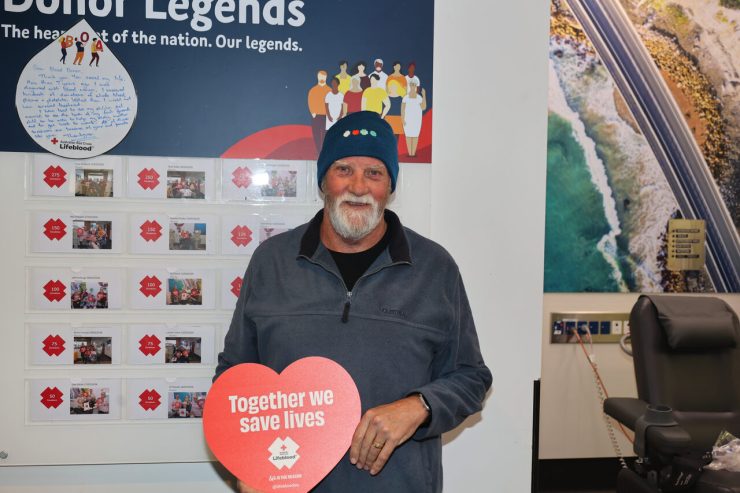
In 2022, Stephen was diagnosed with Chronic Lymphocytic Leukaemia. He is now in remission and relies on a plasma-derived medication called Intravenous immunoglobulin (IVIG) every 8 weeks to boost his immune system. It can take up to 13 plasma donations to make a single vial of some plasma medicines.
World Leukaemia Day was on Friday, September 4, and the Australian Red Cross Lifeblood is again facing a shortage. Stephen, who has been on both sides of the donation chair, urges locals to make a generous donation today.
“You know that it is such a valuable commodity, and it is free. You generated. You don’t lose anything. It is just a gain. You know, it’s a win-win. I always felt that after giving a unit of blood, so much better, and it actually generates. I don’t know whether it’s a mind thing or whether it’s actual physical, because I always felt better after giving a unit of blood,” said Stephan.
Many people think they are unable to donate, but that is a common misconception. To check your eligibility and book a donation, call 13 14 95, visit lifeblood.com.au or download the Donate Blood app.