
By Aaron Cordy
THE State Government’s planned Local Health Service Networks (LHSN) will come into effect on Tuesday, July 1, leaving regional Victorians concerned about potential mergers and cuts to local services.
The plan to merge regional health services was first introduced in 2003 when then Premier, Steve Bracks, unsuccessfully tried to implement the Hume Hospital Health Services Plan (HHHSP).
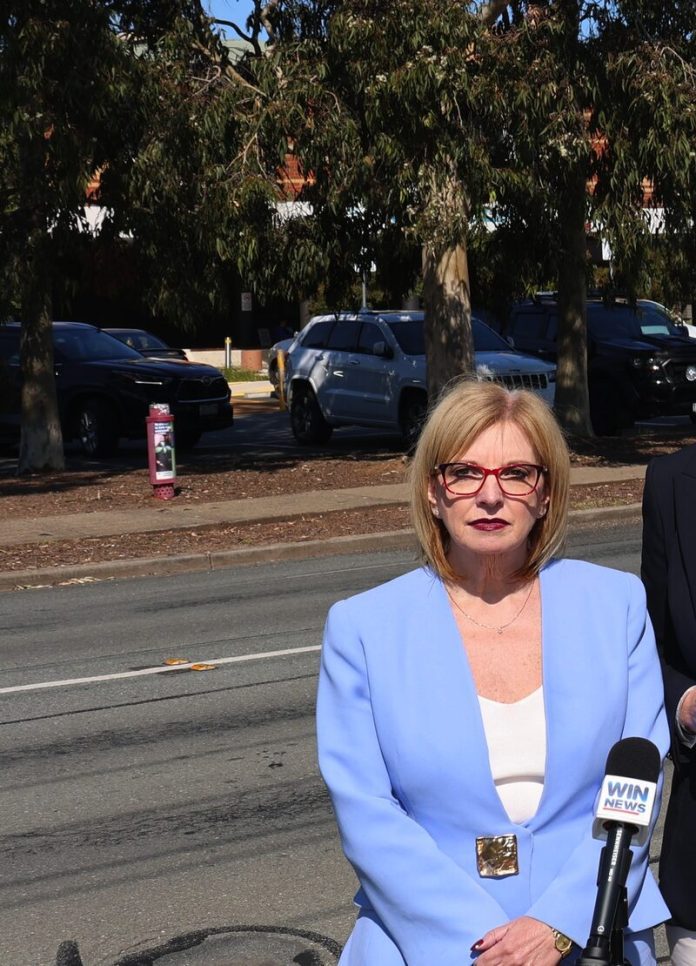
Liberal Member for Northern Victoria, Wendy Lovell, believes the Government’s announcement of LHSN is code for forced health service mergers by stealth and will result in cuts to services and job losses particularly at smaller hospitals.
“Labor have tried to push through health service mergers before, when the Bracks government floated the Hume Hospital Services Health Plan in 2003. Victorians rejected it then, and still reject it now, because they know that when Labor wants to merge hospitals, it means job losses and cuts to health services, especially in smaller hospitals,” said Ms Lovell
Under the 2003 HHHSP, there was a plan to phase out services like theatre obstetric delivery services in smaller centres if they were within a 45-minute drive of a larger centre. Also, hospitals in smaller communities were to be made aware of external service providers. In short, patients would be encouraged to use private healthcare instead of public.
The new system that will be rolled out this year was put into effect when the Victorian Department of Health commissioned an Expert Advisory Committee to examine the design and governance of Victoria’s health services system in July 2023.
Despite the restructuring of healthcare in Victoria being sold as a positive by the State Government, there is still fear that the LHSN will lead to cuts in services to regional Victorians.
An extract from the report reads:
“Developing a network of care for their geography that ensures that the great majority of the care needs of their population are met within region, as close to home as is safe and sustainable, leveraging appropriate sites with the necessary capacity and capability.”
With the State Government’s incredible debt, the question remains how long will ‘appropriate care in the region’ remain ‘sustainable.’