By Aaron Cordy
CREATING opportunities for rural students to engage in higher education has always been a challenge. In the last decade, the gap between what is accessible for metropolitan students and regional students has greatly widened.
That is why the first 10 graduates of Victoria’s Rural Medical Pathway program is an achievement that should be celebrated far and wide.
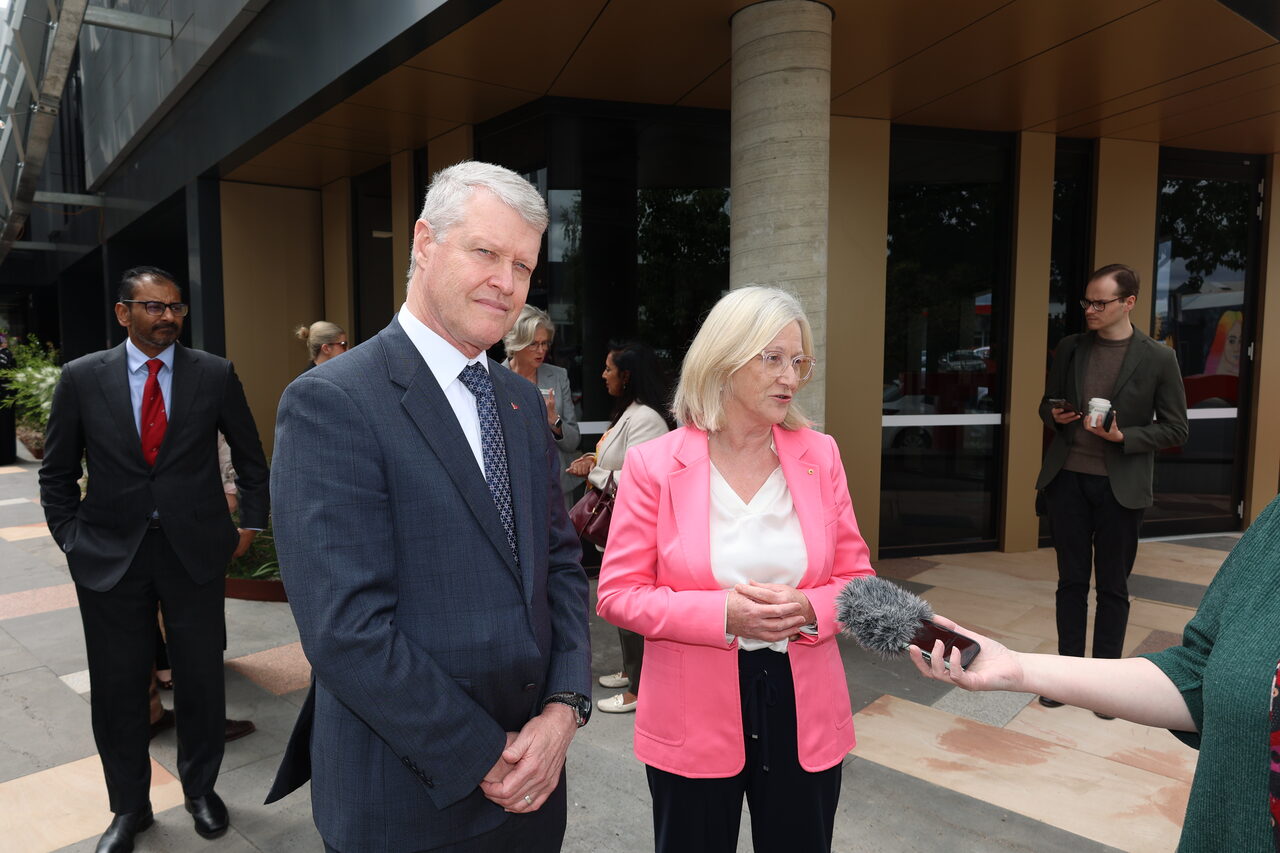
La Trobe Provost Professor Robert Pike said it was a proud day for both universities and the communities they serve.
“We are so very happy to be here today to celebrate the graduation of the first students coming through the Rural Medical Pathway between La Trobe University and the University of Melbourne. Way back in 2019 the first student started at La Trobe doing a biomedical science degree, and then in transition to the University of Melbourne’s MD program here in Shepparton,” said Professor Pike.
The first cohort came from across regional Victoria and NSW, for an undergraduate Bachelor of Biomedical Science (Medical) studies in 2019 at La Trobe’s Albury-Wodonga and Bendigo campuses before progressing into the University of Melbourne’s Doctor of Medicine (Rural Pathway) postgraduate degree in Shepparton.
The hope is by allowing students to do their clinical training, with rotations throughout central and north-east Victoria, they will practice in regional communities once they have graduated.
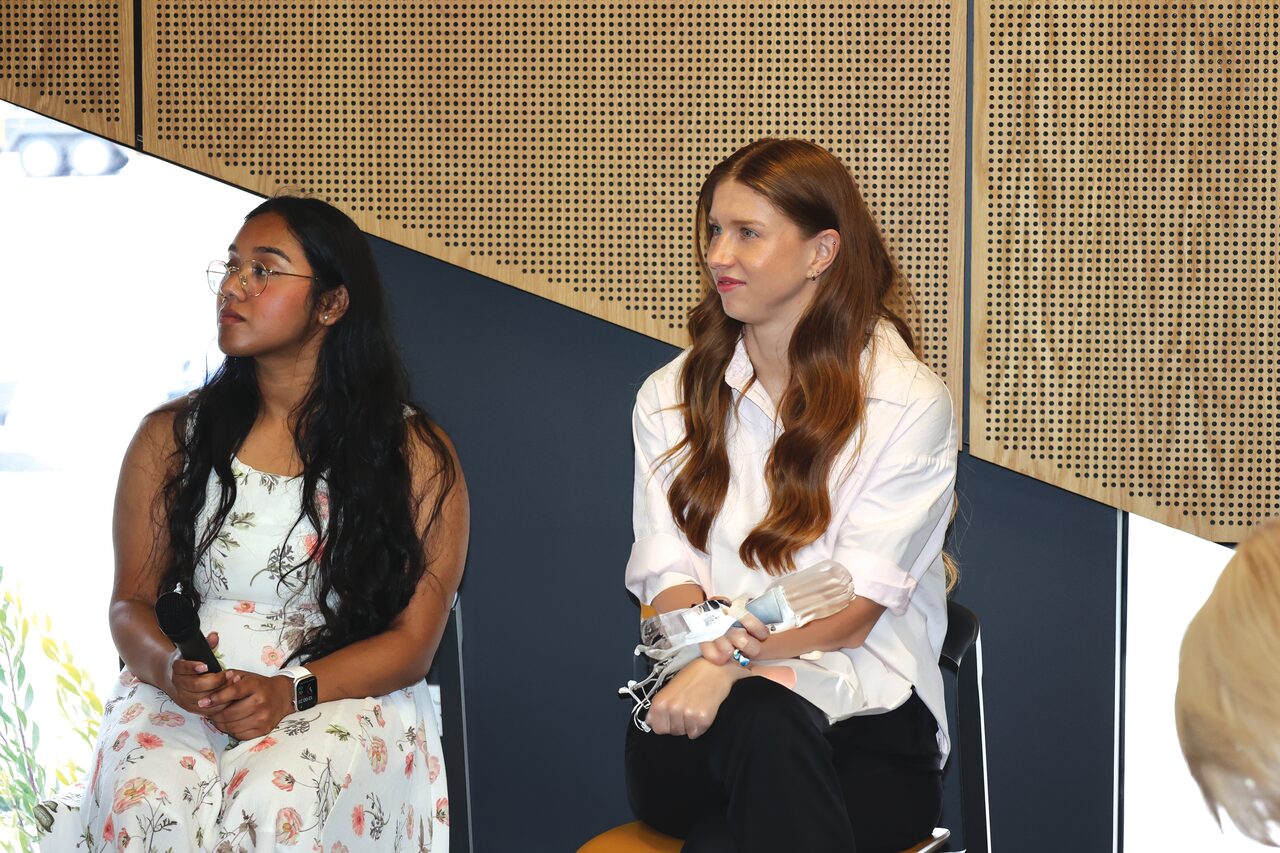
Graduate Srishti Chatterji, who grew up in regional NSW, sees her future career remaining in a rural community.
“I feel like I know regional Victoria off the back of my hand now, because the last seven years I’ve been in so many towns, Wodonga, Bendigo, for classes during La Trobe. I’ve been in Shepparton, Wangaratta and Ballarat, and I’ve also been lucky enough to explore Echuca for a few weeks through the placements and degrees I’ve done,” said Srishti.
Born and raised in Mildura, Abigail Rowe has had a continual focus on her studies to take those skills back to her home community.
“As a rural Victoria girl myself, I was always a bit daunted going to a city, especially one that I potentially haven’t been to before, because when you’re studying for medicine, you do just apply all over Australia,” said Abigail.
“It was really comforting and familiar to move to Bendigo and Shepparton, towns that I’ve been to growing up. Whether it be for sport or school or all sorts of things. You have a lot of connections across rural Victoria when you grow up. It’s been really comforting to stay regionally, join sporting clubs and meet like-minded people along the way.”
While there is no guarantee that the graduates will remain in rural communities, the Pathway gives them the opportunity to work in their communities, contributing to better healthcare access and workforce retention.