
By Deanne Jeffers
ON a winter morning earlier this year, the temperature outside Carolyn and Rob Gale’s Murchison home was hovering around 10 degrees. Inside, it was a comfortable 22°.
There is no air conditioning, no conventional wall insulation, and no elaborate heating system quietly working to maintain the temperature.
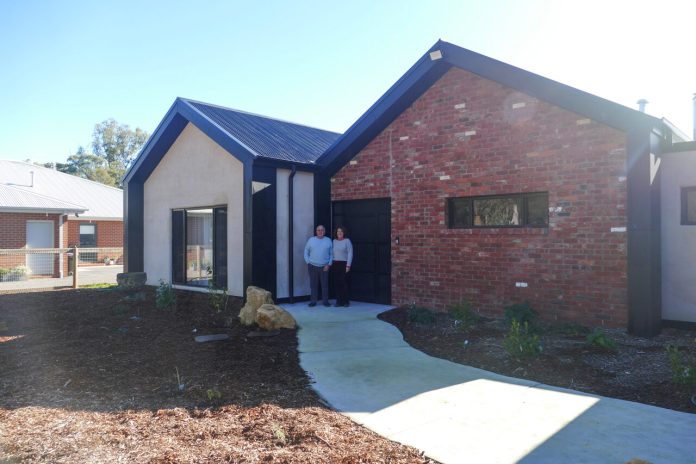
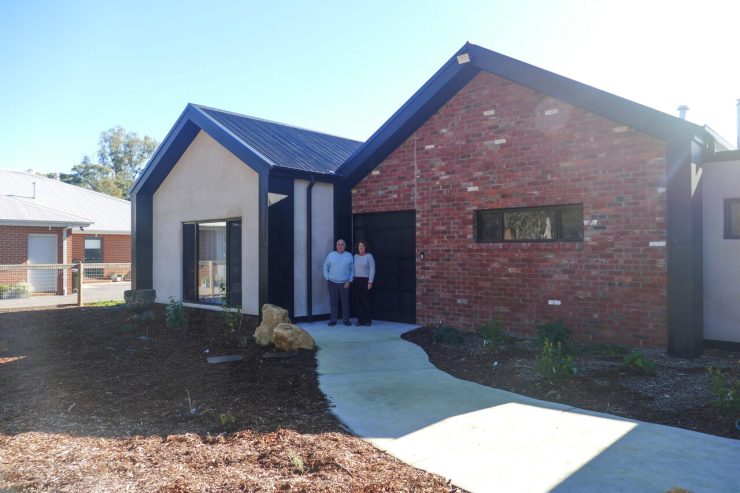
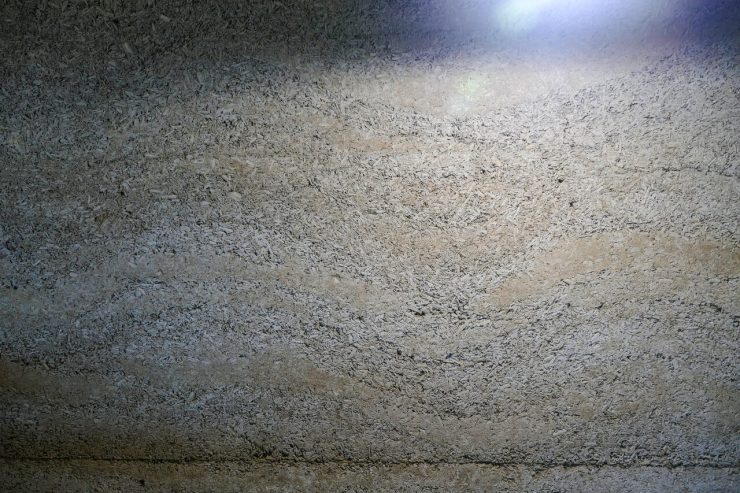
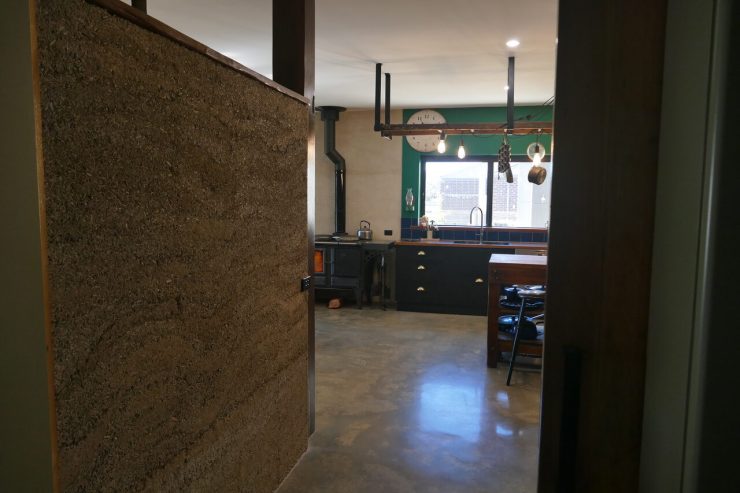
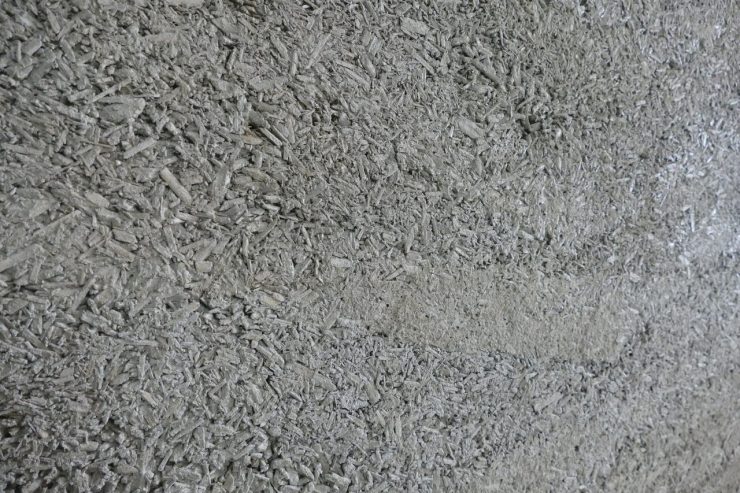
Instead, the couple rely on the properties of hemp-crete, the natural building material forming the walls of their distinctive home.
After nearly 40 years living in a mud-brick house they built themselves, the Gales were already familiar with alternative construction. Their new home has given them a fresh appreciation for what natural building materials can offer.
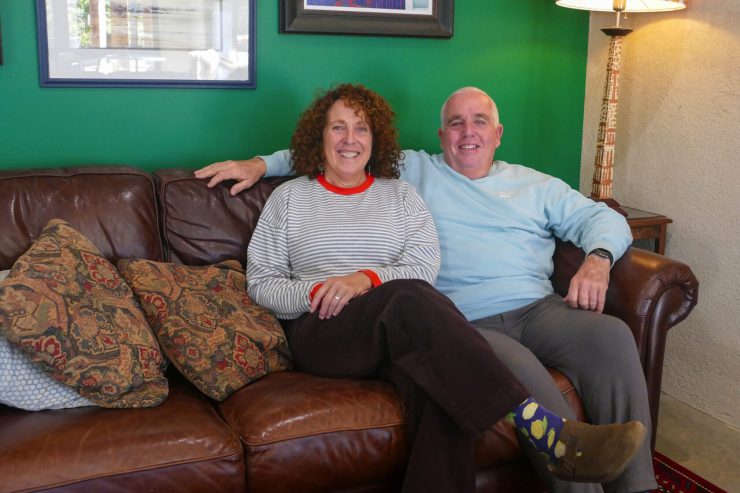
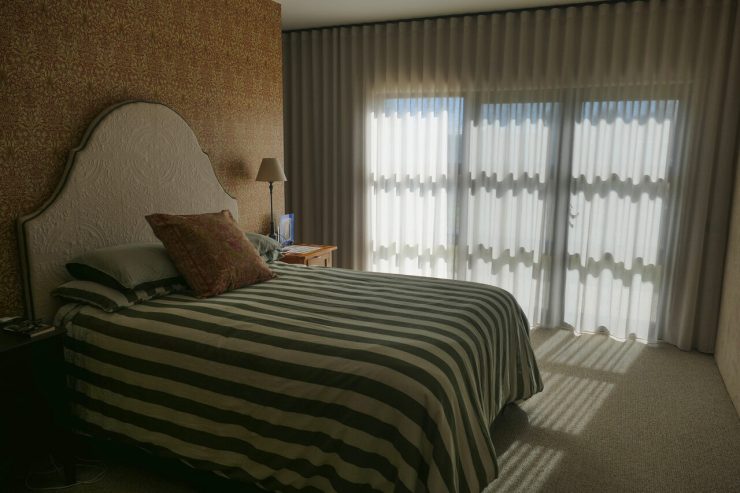
“It is a comfortable, really comfortable house to live in,” Carolyn said.
The couple opened their home to the public in August, showcasing hemp construction and giving visitors an opportunity to see how an alternative building method can be incorporated into a contemporary home.
Once a conventional timber frame was completed, Carolyn and Rob worked alongside Southern Hemp’s David Brian, family and friends, volunteers and even backpackers, filling timber formwork with a hemp and lime mixture and lightly tamping it into place.
The hemping took just 28 days.
The couple say the walls help regulate the temperature and humidity inside the home, describing the material as allowing the house to “breathe”.
During several days of summer heat, the home reached about 28 degrees inside, but the couple remained comfortable without air conditioning. In winter, they have found it holds its warmth with the help of their wood heater.
The home’s approach to sustainability extends beyond its walls. A solar and battery system supplies most of the couple’s electricity needs, while 75,000 litres of rainwater storage supplies the house. They remain connected to the grid and mains water as a backup.
Character was also a priority.
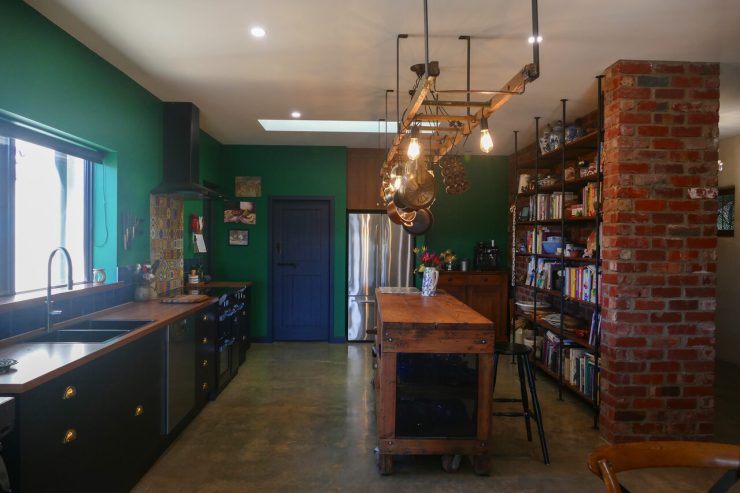
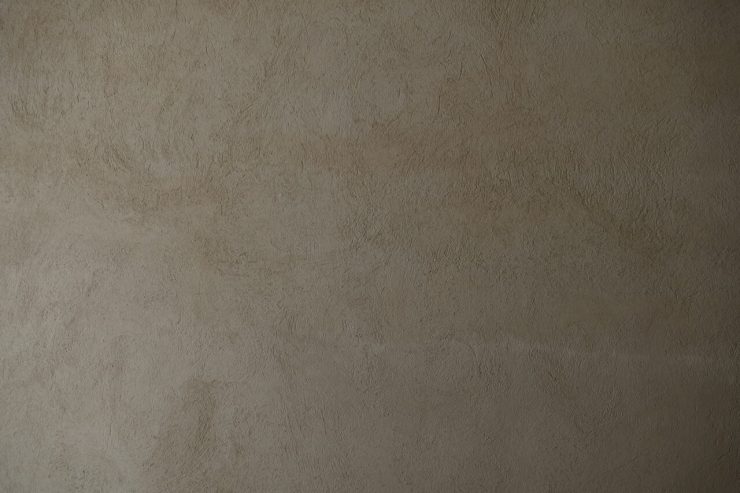
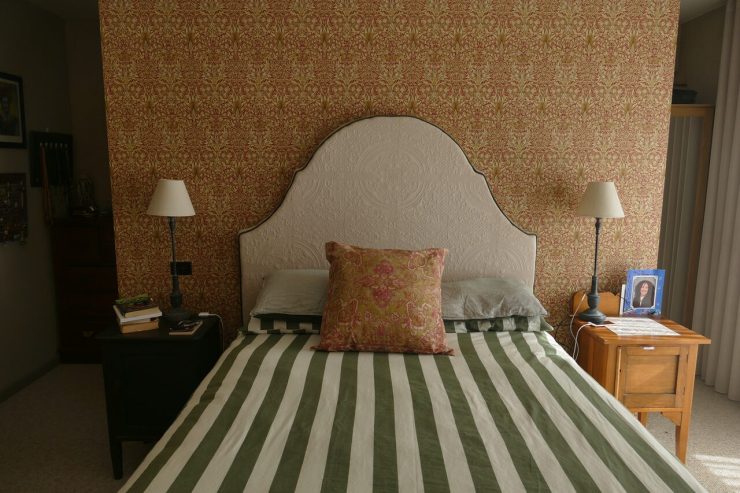
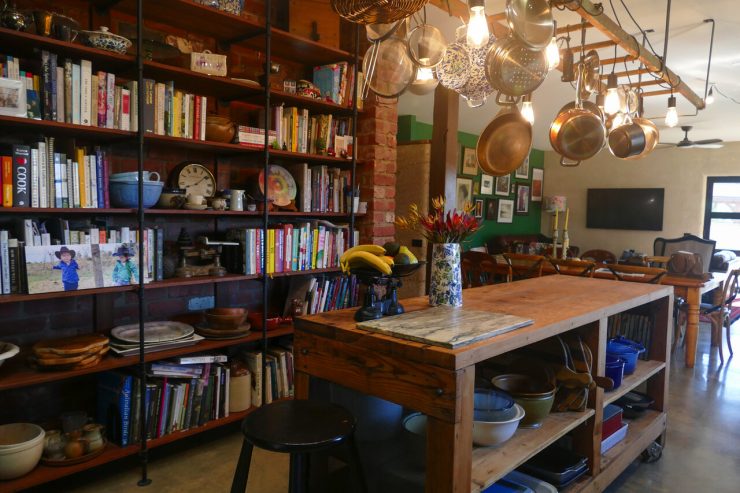
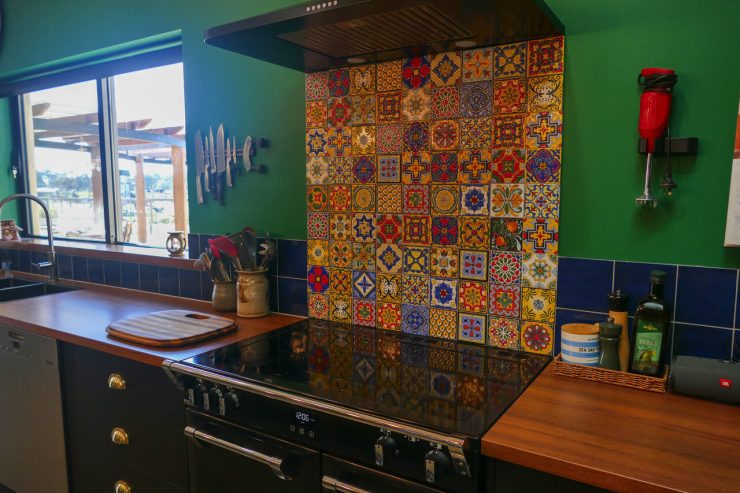
Curved windows, textured rendered walls, polished concrete floors and an abundance of salvaged materials give the home a warmth and individuality far removed from a standard new build. Around 90 per cent of the doors were salvaged, while recycled bricks, collected tiles and thrifted pieces have been incorporated throughout.
The build did come at a higher cost, with the couple estimating it was about 20 per cent more expensive than a conventional brick home.
Mr Brian and Sherri Smith-Hoyer of the Victorian Hemp Association have previously appeared before a Victorian parliamentary inquiry discussing the potential of hemp as a building material. Mr Brian highlighted its renewable nature and the relatively little energy required to keep hemp homes warm or cool, as well as growing international demand for hemp and the need for greater processing capacity as the industry develops.
Ms Smith-Hoyer believes there is also significant potential to develop the industry locally, particularly through more hemp growing and processing in Victoria. The Gales believe greater local production and processing could ultimately help bring down the cost of hemp construction and make the material more accessible to future builders.
After more than a year in their home, the couple remain enthusiastic about what they have created.
“It’s just very peaceful,” Carolyn said. “We love it. Absolutely love it.”