
By Natasha Fujimoto
TO build a life that is truly your own, grounded in authentic purpose and aligned with core values of reconnecting with nature and living sustainably, goes to the heart of what it means to be free for some. Taking the plunge to live off-grid in country Victoria is not just a practical undertaking, but one requiring vision, courage, tenacity and, above all, a resilient spirit.
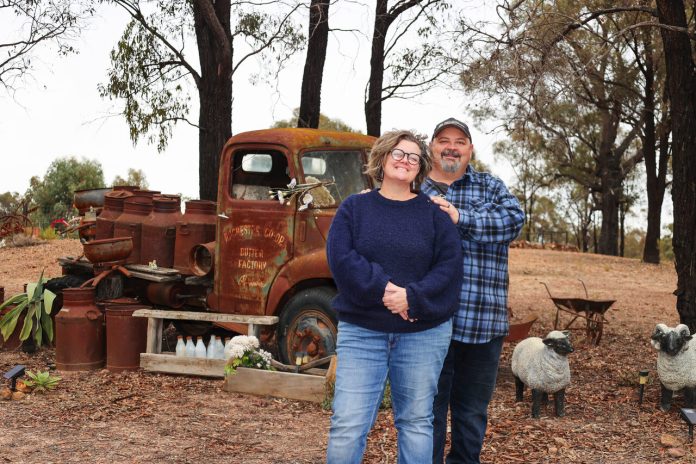
For Kay and Steve, who last year shared their remarkable journey to create such a life on a 50-acre property in Whroo, just outside Rushworth, that vision continues to take shape. Their desire to live beneath big skies, in peace, off-grid and free from rising utility costs and modern-day constraints, resonates deeply. It reflects a return to their roots, a love of nature, and the enduring appeal of carving out a life on the land shaped by possibility.
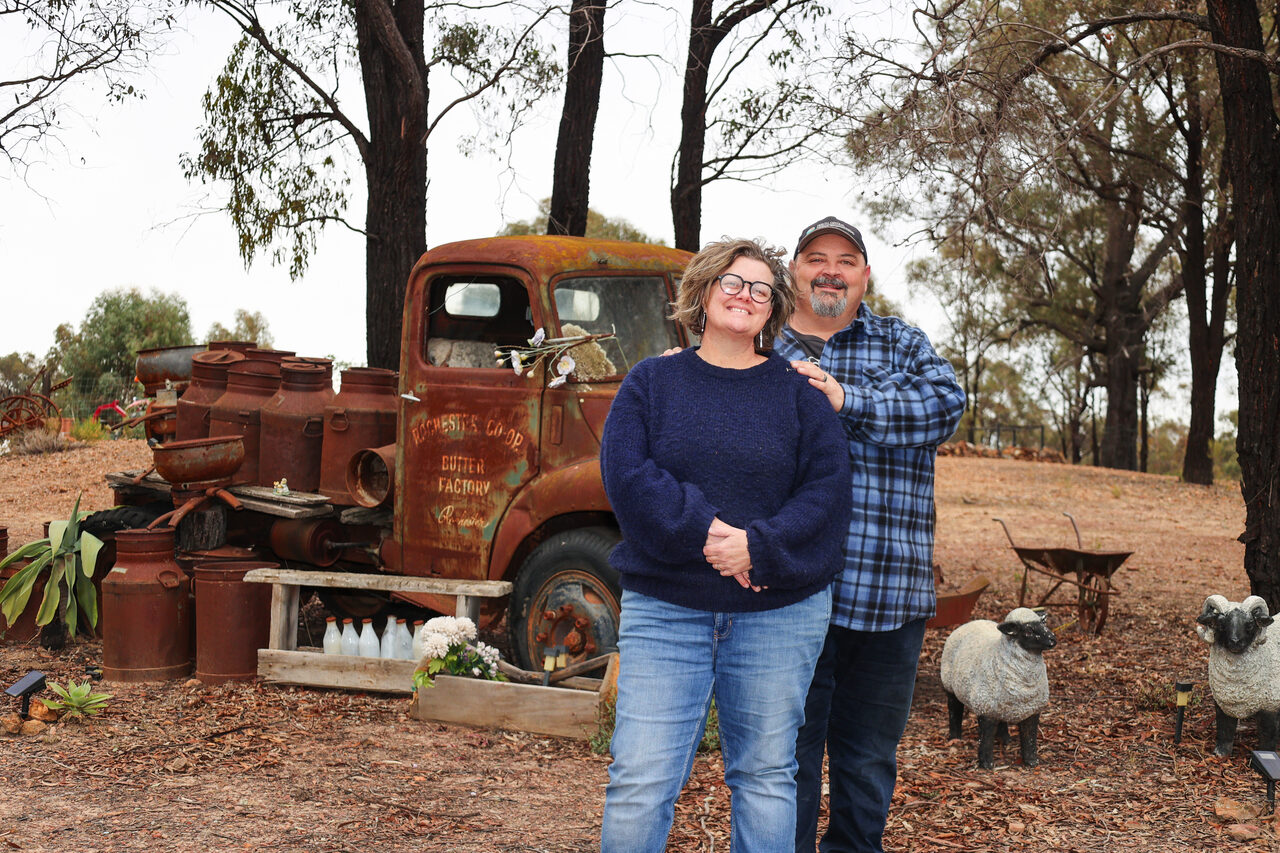
Purchasing their property in 2021, complete with two 22,000-litre rainwater tanks, a small solar system with generator back-up, and a 24m by 20m besser brick shed, the couple rolled up their sleeves and continue to transform their weekender into a sustainable forever home.
They ruled out a $140,000 mains connection, opting instead to invest $60,000 in a more robust solar system with generator back-up. From there, they turned to developing sustainable micro-enterprises, including a market garden, honey production and the future development of a commercial kitchen to prepare produce for sale in nearby towns, not only to support their lifestyle but also to give back to the community.
Steve said, “We are looking at options to increase the number of solar panels and batteries, but are weighing up the expense compared to letting the diesel generator run more frequently over winter. The forecast for a wet winter will certainly impact generator use and fuel expenses on overcast days. I am able to monitor solar usage and battery storage via an app on my phone, which is handy if I am unable to get to the propertBy Natasha Fujimoto
TO build a life that is truly your own, grounded in authentic purpose and aligned with core values of reconnecting with nature and living sustainably, goes to the heart of what it means to be free for some. Taking the plunge to live off-grid in country Victoria is not just a practical undertaking, but one requiring vision, courage, tenacity and, above all, a resilient spirit.
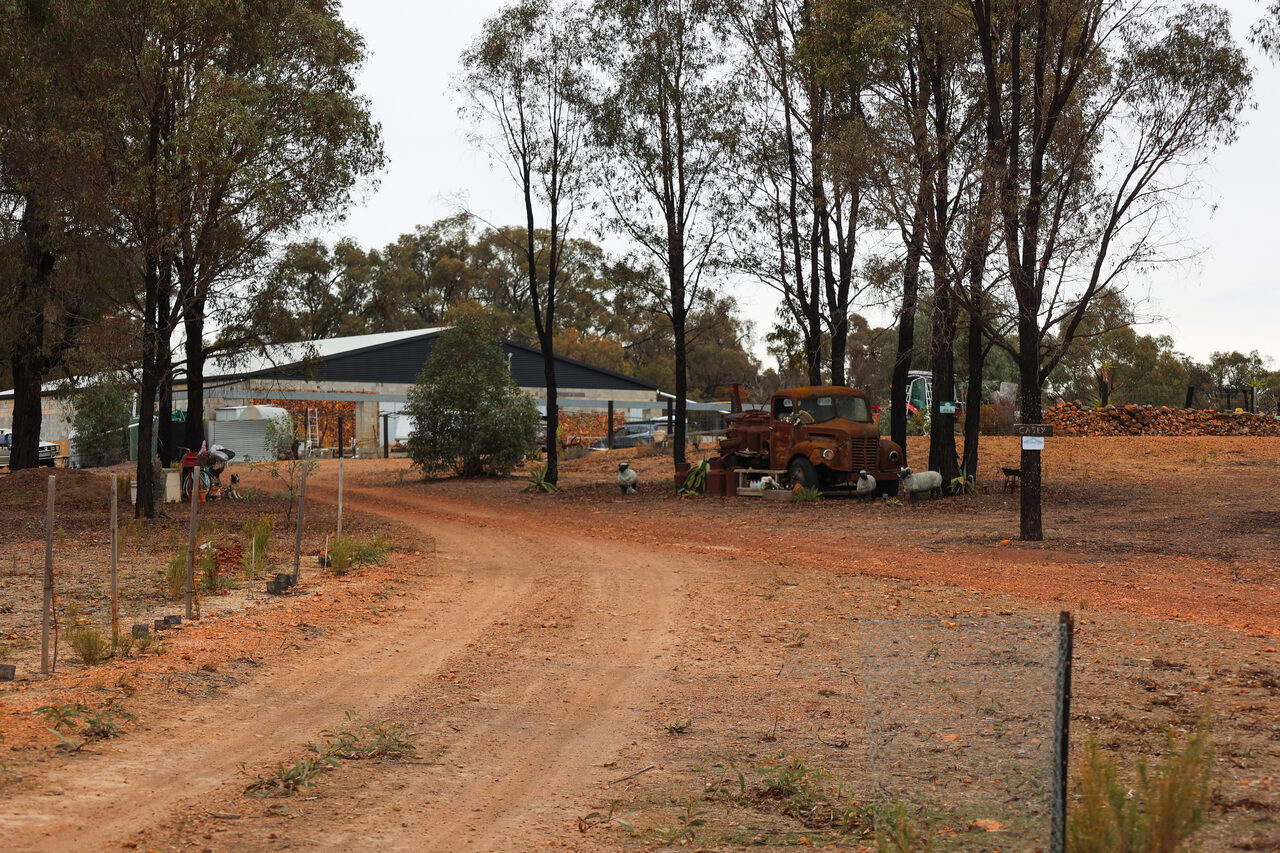
For Kay and Steve, who last year shared their remarkable journey to create such a life on a 50-acre property in Whroo, just outside Rushworth, that vision continues to take shape. Their desire to live beneath big skies, in peace, off-grid and free from rising utility costs and modern-day constraints, resonates deeply. It reflects a return to their roots, a love of nature, and the enduring appeal of carving out a life on the land shaped by possibility.
Purchasing their property in 2021, complete with two 22,000-litre rainwater tanks, a small solar system with generator back-up, and a 24m by 20m besser brick shed, the couple rolled up their sleeves and continue to transform their weekender into a sustainable forever home.
They ruled out a $140,000 mains connection, opting instead to invest $60,000 in a more robust solar system with generator back-up. From there, they turned to developing sustainable micro-enterprises, including a market garden, honey production and the future development of a commercial kitchen to prepare produce for sale in nearby towns, not only to support their lifestyle but also to give back to the community.
Steve said, “We are looking at options to increase the number of solar panels and batteries, but are weighing up the expense compared to letting the diesel generator run more frequently over winter. The forecast for a wet winter will certainly impact generator use and fuel expenses on overcast days. I am able to monitor solar usage and battery storage via an app on my phone, which is handy if I am unable to get to the property.”
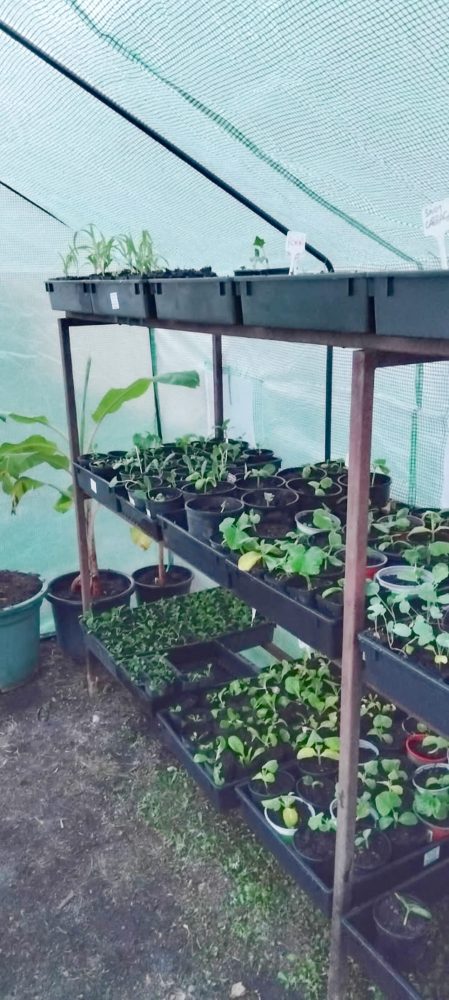
By increasing her vegetable seedlings, she is working towards a strong winter harvest to help offset ongoing economic pressures, while also sharing extra seedlings with neighbours — extending the benefits of their efforts beyond the property. Photo: Supplied
A year on, and following the threat of the devastating Longwood bushfires, the challenges have not eased. Thankfully, their property emerged unscathed, but the ongoing development of their ‘forever home’ continues to test their resolve.
After contacting several local builders last year, the couple received quotes far beyond expectations, in some cases up to 50 per cent higher than anticipated. Undeterred, they explored alternative options, including transportable homes, either a ready-made build through Neatline Homes or a kit home from Yarrawonga. However, uncertainty around council approvals, particularly concerning the placement of a transportable home on their block, has complicated matters, as it may not align with existing infrastructure where solar and water systems are already in place.
Faced with these constraints, Kay and Steve have chosen to pursue the owner-builder route in an effort to better manage costs.
While a tough summer has impacted their fruit and vegetable gardens, and ongoing fuel pressures have limited their trips back and forth from Melbourne, there have also been encouraging developments. Favourable conditions have seen their banana crop expand from two trees to six, while the greenhouse, used to house plants through winter and improve conditions for an earlier harvest, has allowed Kay to increase vegetable seedlings this year. Kay hopes to yield a strong winter crop to help ease the impacts of ongoing economic pressures, while also sharing seedlings with neighbours.
Following permit approval for a septic system, septic beds and a pump well were installed last year. For the budding apiarists, March brought a welcome boost, with ironbarks flowering on their block for the first time in two years. Kay is optimistic they will harvest honey this spring.
Always anticipating challenges and never ones to shy away from them, Kay and Steve said, “We are looking forward to a wet winter. We have planted flowering Australian natives in recent weeks, hoping these will nourish our bees if we face drought conditions in the years to come. We will also increase our fruit trees this year by purchasing from Ardmona. We hope to commence our build by the end of this year and relocate to Whroo permanently by the end of 2027.”