

FOR property managers, time is one of the most valuable resources—and often the one in shortest supply.
Between leasing properties, responding to maintenance requests, communicating with landlords and tenants, organising inspections, and keeping up with changing legislation, compliance can quickly become another complex task to manage.
The challenge isn’t understanding what needs to be done. It’s coordinating the process.
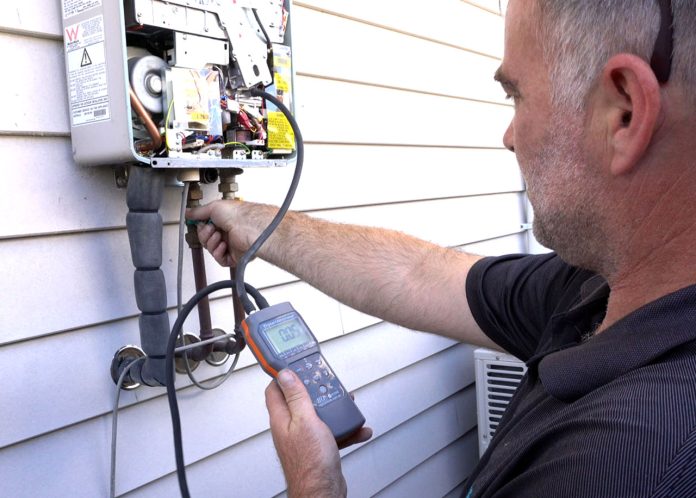
Electrical safety checks, gas safety inspections where applicable, annual smoke alarm servicing, documenting results, following up outstanding works and maintaining accurate records all require careful planning. When each service is arranged separately, the administration involved can add up quickly.
Every additional phone call, email, invoice and appointment creates another opportunity for delays, missed deadlines or duplicated effort.
As property portfolios continue to grow, many agencies are looking for ways to streamline routine compliance without compromising on quality or meeting their legal obligations. Simplifying these processes allows property managers to spend more time building relationships with landlords and tenants and less time coordinating multiple service providers.
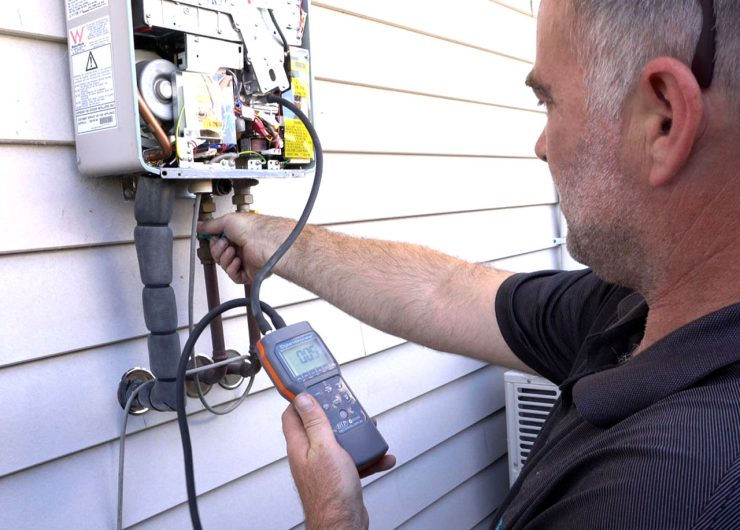
A coordinated compliance approach can make a significant difference. Rather than arranging several contractors independently, inspections can be scheduled together where practical, with findings consolidated into a single report. This provides property managers with a clearer overview of a property’s compliance status, highlights any recommended actions, and creates a more efficient record-keeping process.
It also improves communication with landlords. Instead of receiving updates from multiple trades, property owners receive clear documentation outlining completed inspections, any issues identified and recommended next steps. This helps support informed decisions and provides an organised audit trail for future reference.
RIC Safety Audits has built its service around this philosophy. By coordinating required safety inspections and providing comprehensive reporting, the business helps reduce the administrative burden often associated with rental compliance while supporting property managers in meeting Victorian rental safety requirements.
Compliance will always be an important part of property management. But managing it doesn’t need to be complicated.
With the right systems and a coordinated approach, agencies can reduce administration, improve workflow efficiency and spend more time focusing on what matters most—delivering exceptional service to both landlords and tenants.