

By Deanne Jeffers
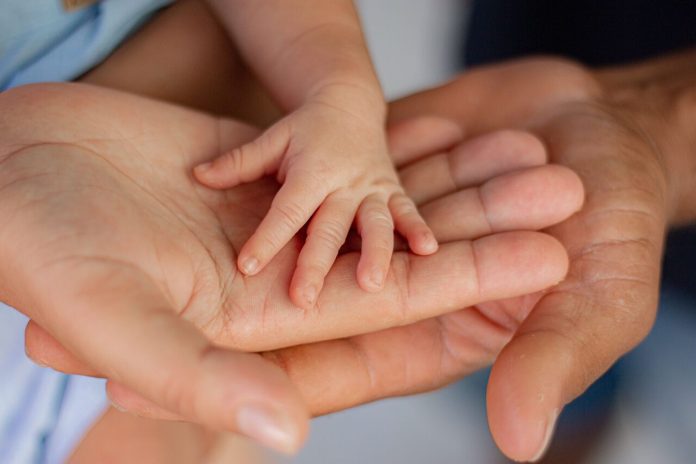
PARENTS expecting a baby after July 1, 2026, will be entitled to an additional 10 days of government-funded paid parental leave.
The expansion increases the scheme from 120 to 130 days, giving eligible families access to around six months of leave paid through Centrelink.
The number of leave days reserved for the second parent have also increased from 15 to 20 days. These leave days are granted on a ‘use it or lose it’ basis, aiming to encourage more equal sharing of caring responsibilities. Single parents remain eligible to access the full entitlement.
While the increase has been welcomed by family advocates, some concerns have been raised about the reserved partner’s leave. In some households, the second parent may be unable to take time off work due to financial pressures, meaning a portion of the paid leave would be forfeited.
Because parental leave payments are made at the National Minimum Wage, families where the second parent earns a higher income may face a substantial reduction in household earnings if that parent takes leave, making the reserved days difficult to access.
In a separate measure that took effect from July 2025, the Federal Government now pays 12 per cent superannuation on parental leave payments, aimed at reducing the retirement savings gap for parents, mostly women, who take time away from the workforce.
The measures are a welcome boost for families, particularly as Australia grapples with historically low birth rates, but the scheme still falls short of the OECD average of 50 weeks. In many comparable countries, payments are also linked to a worker’s previous salary rather than the minimum wage.
To qualify, parents must be Australian residents who have worked roughly one day a week for most of the 13 months before their child’s birth or adoption, and earn under $180,007 individually in 2024-25, or under $360,014 as a family. Child birth registration and not working during leave days are also required, with some exceptions.
To learn more, go to: www.servicesaustralia.gov.au/paid-parental-leave-scheme-changes