
By Aaron Cordy
REFUGEES, asylum seekers and migrants are a hot topic come election time. They are the low-hanging fruit often picked by political leaders to stir the masses and rally for votes against their opposition.
Some people believe refugees and asylum seekers land in Australia and receive government handouts. This misconception is massively incorrect, as displaced people are cut off from services like Centrelink, Medicare and depending on the visa they can attain, they can be denied the opportunity to work.
There were 34,502 refugee people in Australia in 2023 down from 54,430 refugee people in 2022. Shepparton has a significant refugee and asylum seeker population, particularly a large Afghan community with 1,144 residents reported in the 2021 Census. These statistics can rapidly change as a person’s refugee status is a shifting phenomenon depending on the whims of political change.
There are many reasons why people leave their countries as refugees and seek asylum, each facing different challenges as they try to settle in a new land. Locally there are several organisations to help like the Ethnic Council and Connect GV helping ease that transition, but the complexity of refugee cases means more help is needed from organisations like Refugee Legal.
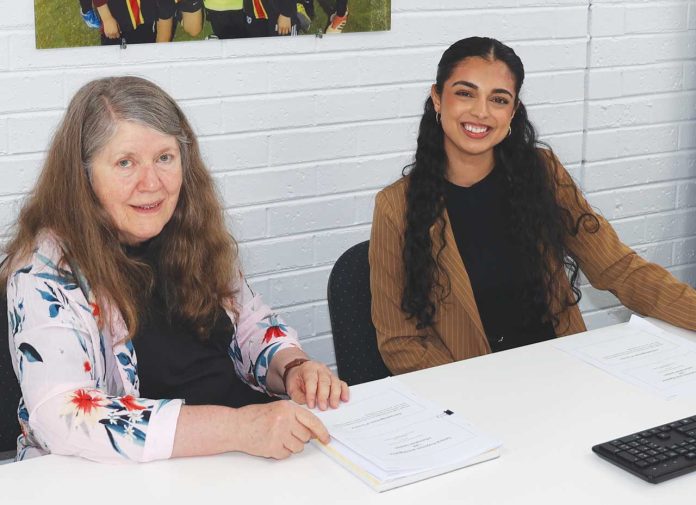
Refugee Legal specialises in immigration and protection visas. Solicitors from Refugee Legal, Priscilla Jamieson and former local and Notre Dame student Madelyn Madeira, visited the Greater Shepparton to meet with people in need and stakeholders at the Ethnic Council last month.
“At Refugee Legal, we have a team that specialises solely in permanent protection visas. We assist applicants in lodging the visa at the Department stage, or if it’s been refused by the Department, we step in to appeal it to the Administrative Review Tribunal,” said Madelyn.
Not everyone is eligible for a protection visa. There needs to be a valid reason before it is granted.
“Applicants have to have a well-founded fear of persecution or significant harm if they were to return to their home country. This fear of harm must be on the grounds of their race, religion, nationality, political opinion, or membership of a particular social group, such as members of the LGBT community,” said Madelyn.
The way someone arrives in Australia can have a profound impact on the level of support they receive from the government. With Refugee Week observed June 16-22, there is a call for kindness and understanding, with some saying that the system sets people seeking asylum up to fail.
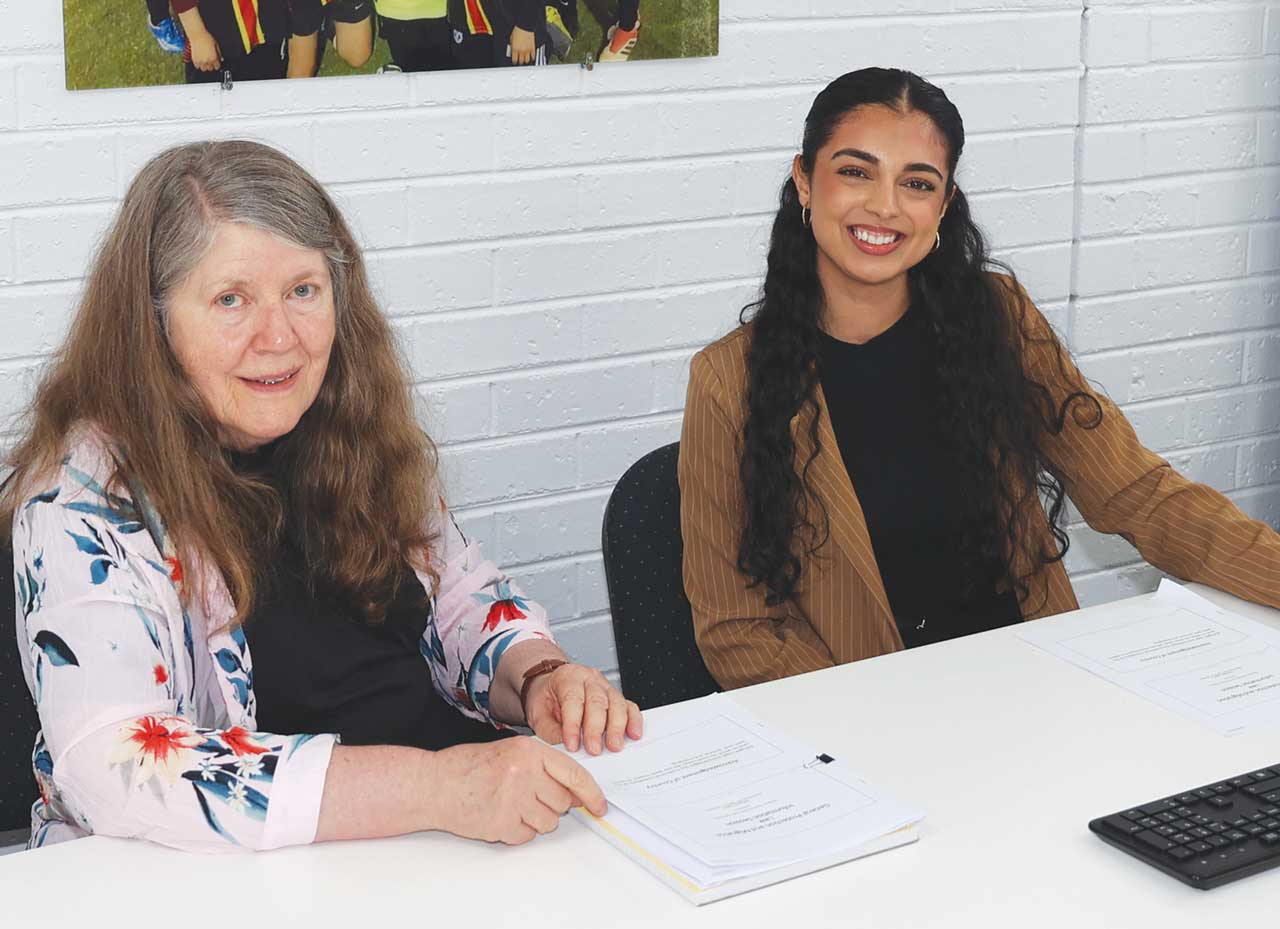
“Our legal system, insofar as it deals with people who are applying, who are migrating or fleeing persecution, is very complex, very rigid, and very inflexible. So, unfortunately, in order to navigate the system, most people will require legal assistance, and that’s what we provide,” said Priscilla. “People who arrive by plane have been treated more fairly than those who arrive by boat.
“The legacy caseload from boat arrivals in the early 2010 to 2012, most people have been granted permanent residence under what’s called a resolution of status visa, but there’s still some thousands who were denied visas under an extremely unfair system. The government needs to come up with a solution for those people because they’ve established lives here. They’ve been working, creating families, friendship networks and so on.”
Australia’s role in offering aid to refugees goes back to when former Australian politician and judge, The Right Honourable Dr Herbert Evatt QC KStJ, presided over the UN General Assembly from 1948 to 1949 and helped to draft the Universal Declaration of Human Rights, which Australia signed six years later in 1954.
In 1976 the first people seeking asylum by boat arrived in Australia from Vietnam and in 1977, Prime Minister Malcolm Fraser introduced Australia’s Humanitarian Program. However, by 1992, a shift in Australian policies and practices regarding asylum seekers seemed to signal a decline in humanitarianism, leading many to question the reasons behind this change.
Negative news headlines about a small number of new arrivals casts a dark shadow on the many hardworking migrants and asylum seekers who came to Australia seeking a better life and who contribute to our communities in many ways.
During the 1990s, the Afghan-born population in Australia grew significantly due to ongoing civil war and instability in Afghanistan. The number of Afghan-born residents arriving in Australia between 1991 and 2000 was 6,638. As of June 2023, there were 78,370 Afghan-born people living in Australia, which is the direct result of that conflict. This is one example of foreign policy contributing to a flux of people seeking asylum.
Fleeing your home is not a choice made lightly. People do not seek out foreign invasion, political upheaval or religious and ethnic persecution. That threat is still very real to many people seeking asylum in Australia, which is why empathy and understanding from the wider community is vital. This is why services like Refugee Legal are essential, as they help people navigate a system that is often stacked against asylum seekers.