

Thunderstorm asthma can affect people of any age, but adults with seasonal hay fever and a sensitivity to grass pollen are at the highest risk. The risk is even higher for people with poorly controlled asthma.
Thunderstorm asthma is a risk in Victoria during the grass pollen season, which is typically from October 1 to December 31. Last week, most of the state was classed as Moderate Risk Level for an epidemic Thunderstorm Asthma event.
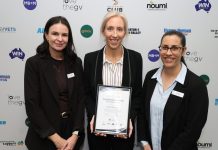
Deakin University PhD student and Deakin AirWatch researcher Kira Hughs said three things must occur for a Thunderstorm Asthma event to take place: a storm passing through; allergens, such as pollens, in the air; and a susceptible population with pre-existing conditions such as asthma or allergies.

Ms Hughs said that Victoria has had at least seven Thunderstorm Asthma events, which is more than any other city or country in the world.
“Most Thunderstorm Asthma events are not catastrophic,” said Ms Hughes. “But in 2016, Melbourne experienced the most severe Thunderstorm Asthma event ever recorded. 10,000 people required medical care, and sadly, 10 people passed away. Some of those people had never experienced asthma before.”
The frustration for researchers is that the pollen data can be up to 24 hours old, with the recording machines not having been updated in over 70 years. As part of her PhD, Ms Hughes is helping to develop the world’s first real-time pollen counter – a sensor that will take less than one hour to collate pollen in the air.
“The current systems are outdated, and these potential dated forecasts may result in inaccurate pollen counts or even worse, events being missed with potentially deadly results,” said Ms Hughs.
The Deakin AirWatch facility plays a crucial role in providing data for pollen forecasts and Thunderstorm Asthma warnings. The research team is hoping that in the future we can do this is a much more efficient manner that will ultimately help to save lives.’
How to protect yourself:
• Use your prevention medication – If you have been prescribed a preventer inhaler, use it as directed, especially during spring.
• Manage hay fever – Keep hay fever symptoms under control with advice from your General Practitioner (GP) or pharmacist, as this can help prevent asthma flare-ups, particularly during thunderstorm events.
• Monitor pollen levels – Check daily pollen forecasts through the VicEmergency website or app. Try to stay indoors on high-pollen days.
• Be prepared – Stay safe by making sure you and your loved one’s asthma action plans are up-to-date and ensure you have enough medication on hand, including inhalers and antihistamines.