By Cassidy Parker
The Munarra Centre for Regional Excellence has a goal: to create the conditions for local success. You might not expect it if you walk past the shiny new build, smack bang in the centre of Shepparton’s sporting precinct, but the hub is result of decades of work across Shepparton’s Indigenous and sporting communities.
Munarra is the joint effort of the Rumbalara Football Netball Club, Kaiela Institute, Greater Shepparton City Council, The University of Melbourne, La Trobe University and GOTAFE – funded by the Victorian Government.
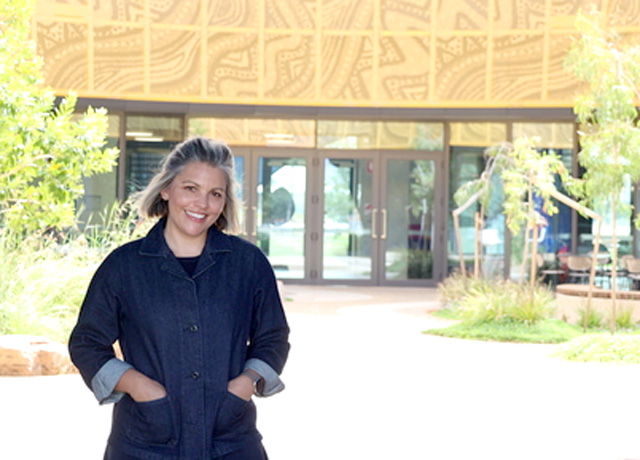
The Adviser spoke with the newly appointed CEO, Ange Burt, to learn about the history, the future and the missions of this new community pillar.
“The rule was, if you get a great opportunity, there’s no reason to say no.” This is the principle that saw Ange and her family travel many different places, from Brisbane to New Zealand, and most recently to Shepparton.
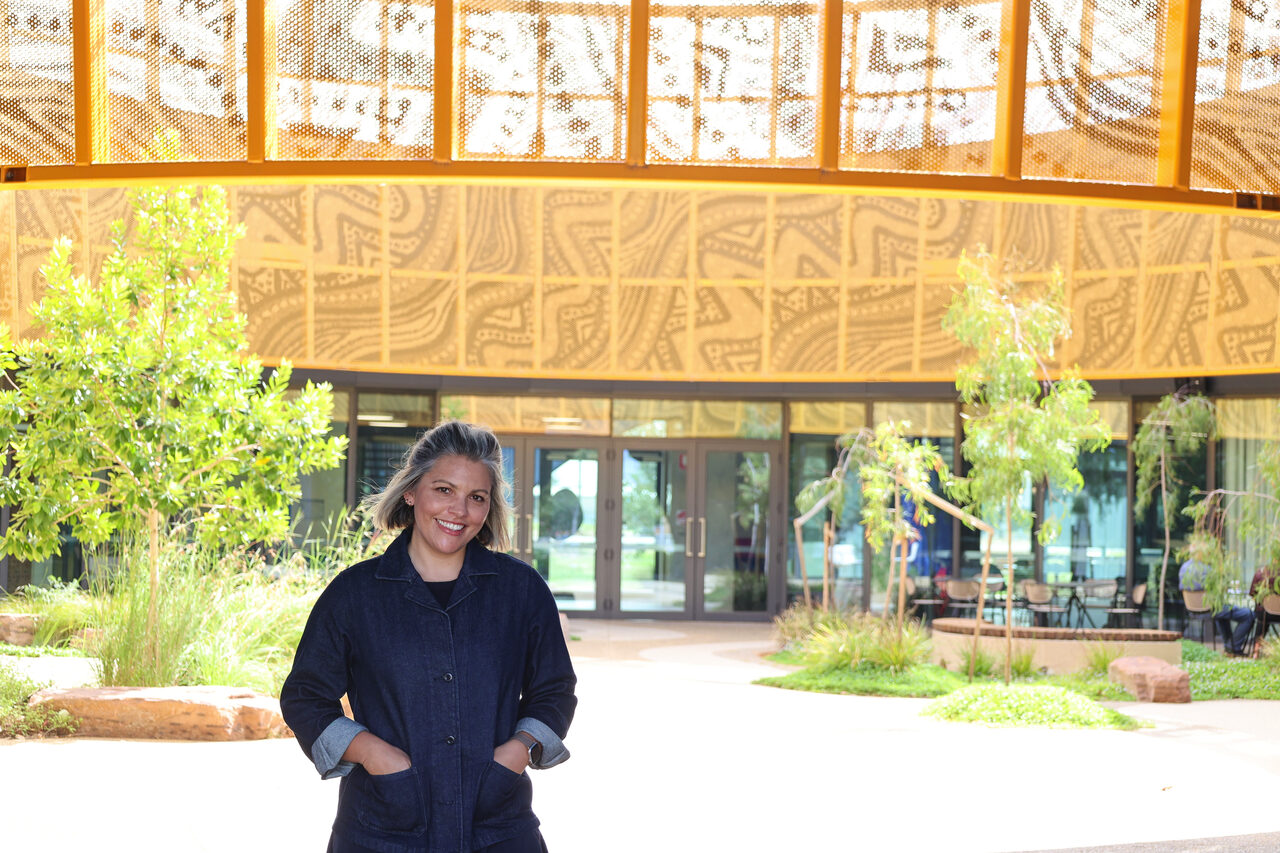
Starting her career as a primary school teacher, she has worked with universities to coordinate Indigenous partnerships, worked with Richmond and Hawthorn AFL clubs managing Indigenous development, and helped deliver events such as Dreamtime at the ‘G. This intersection of sports, education, and Indigenous culture is central to the way Munarra operates.
Munarra is not just one thing. As a pathways-based university, with direct ties to both the sporting and education world, it achieves multiple goals, using its close partnerships with La Trobe, GOTAFE, ASHE and University of Melbourne to offer pathways and training across multiple sectors closely tied to Greater Shepparton’s leading industries.
“This isn’t a place where we’re picking up something off the shelf and delivering it out of fancy looking rooms. What we’re looking for is developing programs and projects together, training initiatives, education programs, and professional learning that doesn’t exist because we’re attempting to find solutions to problems that haven’t been dealt with.”
Since it’s official launch in September of 2024, the modern education hub has already passed many milestones, including moving the Year 11 and 12 ASHE cohorts into their onsite classrooms full time, hosting professional development classes, meetings, performances and opening their cafe to the public, both for visitors to the centre and sports crowds at the precinct.
Ange explained that this approach of combining multiple worlds – sports, education and Indigenous innovation, under one roof, stems from the Indigenous philosophy of the invisible spirit, or a way of ensuring high performance. “If all your factors around your physical health, your mental health, your connection to people, to community, the right access to the right things at the right time and strong leadership, if that’s all working together at one time, then you’ve got all the condition set up for success, for excellence.”
“It seems more complex than it is, but effectively, someone is just holding your hand from your little Auskick days all the way through to your career, whatever that ends up being.”
Ange, a Palawa woman from the islands of Tasmania herself, says the Yorta Yorta community stands out as an example of what strong Indigenous communities can achieve. “The number of really significant Aboriginal leaders and elders that live here and are still working in community roles and leading them is just unmatched,” she said.
“Every aspiration comes back to securing futures for young people in the region and keeping people in the region as much as humanly possible.”