

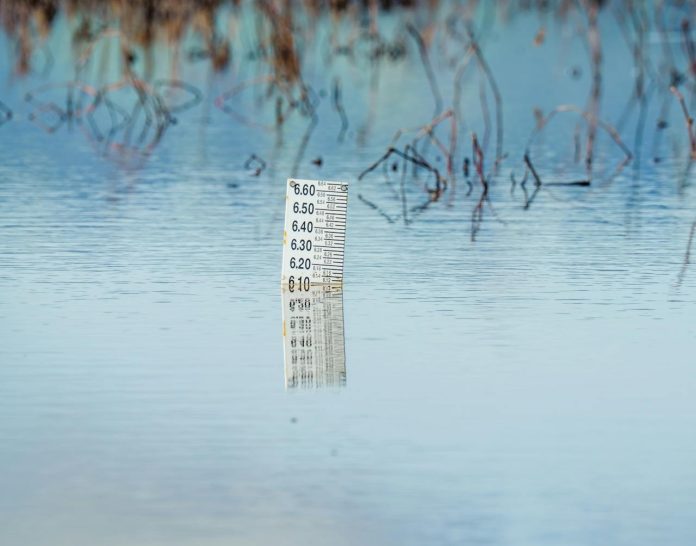
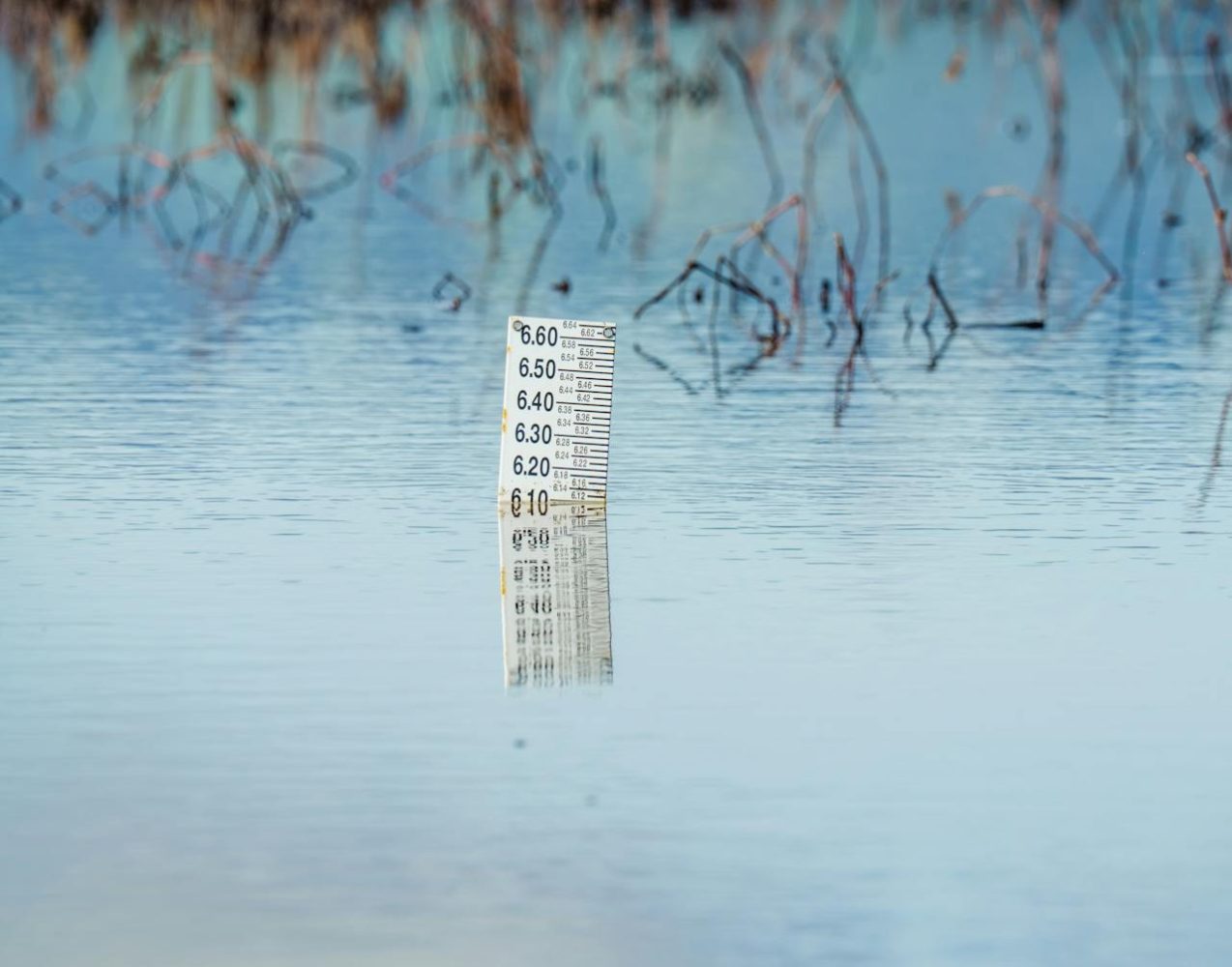
With the Goulburn River breaching its banks roughly every 10 years, Shepparton is familiar with the impacts of both general and flash flooding. According to the Greater Shepparton Municipal Recovery and Resilience Plan 2023-2025, the 2022 flood saw over 4,200 Greater Shepparton residential properties put at risk from water damage.
There is a critical window of opportunity following a flood or water event to manage potential home damage. The key to managing climate unpredictability is having a rapid-response plan to mitigate long-term health and property costs.
The Initial Safety Response
In the home, safety needs to be the priority when managing water damage. If standing water is present, then switch off the electricity at the main circuit breaker box. Do not enter any rooms with standing water if the electricity is still on. If house flooding is severe, then evacuate to a safer location.
Burst Water Pipes
If the water damage is from a burst water pipe or leak, the main water supply may also need to be turned off. In most residential properties, the water supply tap is usually outside the front of the property, near the footpath. After this has been done, a plumber can be contacted.
The First 24 Hours
Stagnant water (standing water) begins to compromise indoor air quality and property structural integrity almost immediately, so the next few steps are crucial.
Contact a Water Restoration Specialist
Once any immediate safety concerns are addressed, promptly contact a water damage restoration specialist. A water specialist is able to provide commercial-grade water-extraction and dehumidification to avoid major structural damage to your property. This emergency service is available 24/7.
Safety With Electrical Items
While waiting for the water restoration specialist, elevate items that you don’t want to get damaged. If available, wear rubber boots and gloves to protect against contaminated water or electrical hazards.
Electrical hazards may still be present, even if the electrical mains have been switched off. If safe to do so, unplug electrical items and move them away from wet areas. If a device is wet, remove batteries and internal cards to prevent corrosion.
Protect Items
Elevate furniture to prevent further damage in waterlogged areas. Either use bricks, plastic containers, plates or aluminium foil under furniture legs. This will help to prevent carpet stains and stop furniture from soaking up moisture.
Insurance Photos
If you have home and contents insurance, take photos or videos of the flood-affected areas of your property. Even without insurance, you should still take photos, as you might be eligible for government disaster assistance.
After 24 Hours-Mould Risk
After all the standing water has been removed from your property, it’s important to prevent mould growth. This secondary damage usually occurs within 24-48 hours of the initial water exposure.
Mould Prevention
Clean and sanitise all surfaces, with a mould retardant such as white vinegar or mould cleaners. There are specialised house paints or paint additives that act as mould retardants, which may be a good investment, prior to flooding, to prevent mould growth.
Hidden Water Risks
Hidden water behind skirting boards, under floorboards, or within wall cavities is more dangerous, if left unchecked, than surface puddles and requires thermal imaging and professional-grade dehumidification. This process will help to prevent any unseen mould build-up within your home.
Water-Absorbing House Materials
It is recommended to remove any water-absorbing materials such as wet carpet, underlay, wet drywall and saturated insulation. By doing this, you will help protect your property’s structural integrity and prevent mould growth. Water restoration specialists can provide reliable advice on what steps may need to be taken to prevent mould growth or structural damage after any flooding has occurred.
When Is Your Home Safe to Return to?
Melbourne emergency water damage specialists, even for fringe or regional properties, are able to provide qualified support to ensure your home is dry-standard certified and safe for re-habitation.
Who is Most at Risk From Flooding?
Older homes in lower-lying areas are the most at-risk properties in Greater Shepparton. Primary areas of low-lying regions near the Goulburn and Broken Rivers, with parts of Central Shepparton CBD- near the river system, are flood-prone. Older homes are more vulnerable, as they may not have been updated to meet current building standards around flood protection.
How to Make Your Home Flood-Proof
There are several measures that can be taken to flood-proof your home. You can elevate your electrical power-points and use water-resistant building materials like tiles, paperless drywall, closed-cell insulation or concrete to protect your property from water damage. It’s possible to install flood vents in walls or doors that allow water to pass through the house.
Natural flood barriers, like native trees, wetlands, bioswales (ground-level channels) and strategically designed landscaping, can slow down water flow, absorb excess water and direct it away from your property. Even something as simple as keeping your roof gutters free of leaves will ensure that any rainwater is channelled away from the house.
Prevention is Better Than Treatment
Prevention is less costly in the long-run, as it can protect your house from flood damage. If your property is in a high-risk flood zone, be proactive and take permanent and short-term steps to protect yourself and your property.