

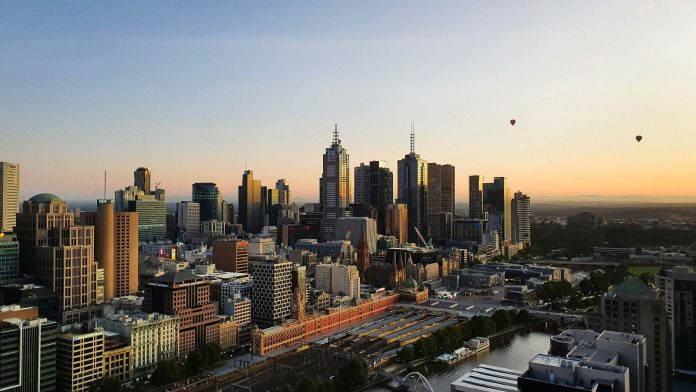
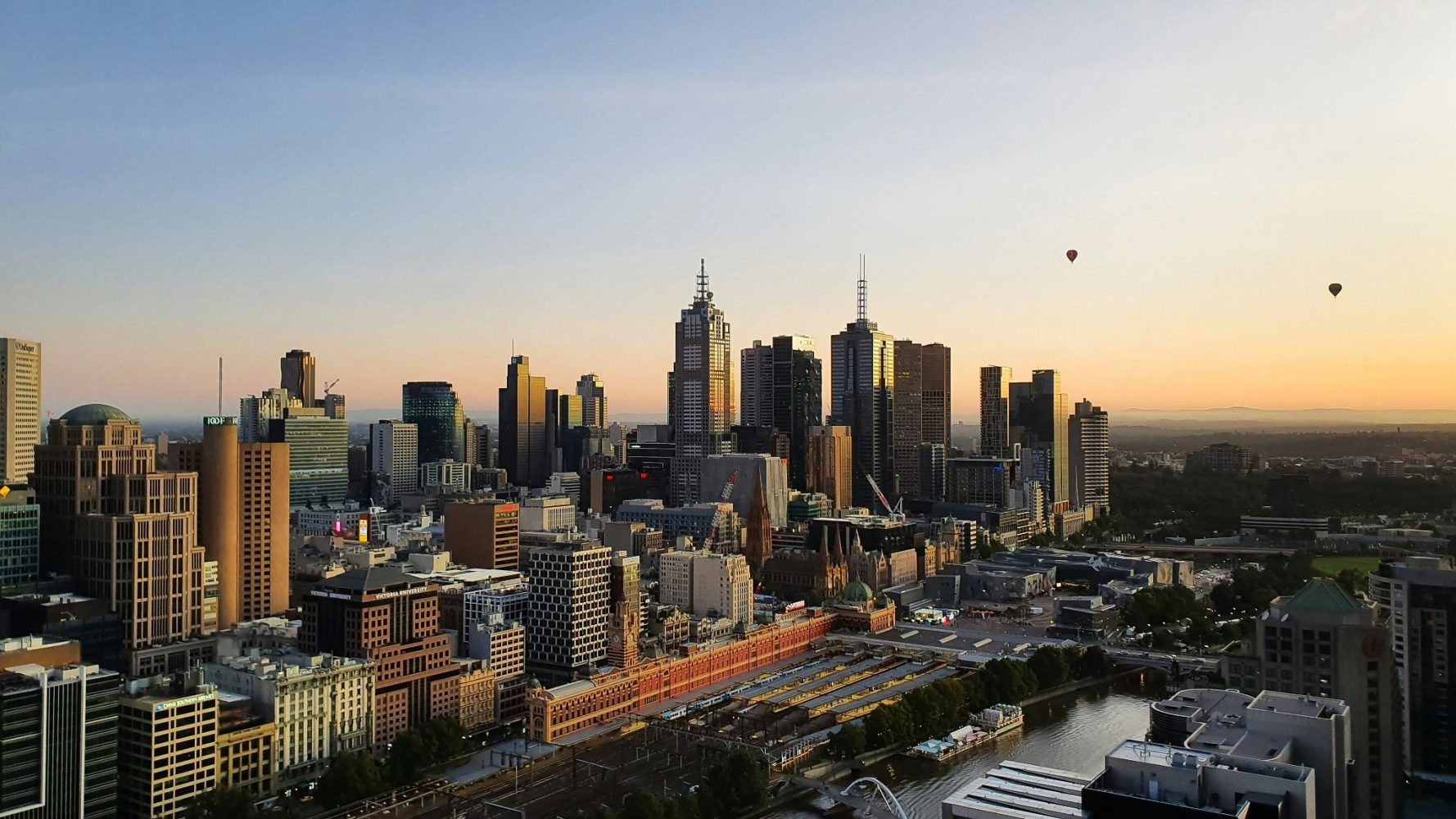
Southbank. Long known as the southern representative of Melbourne’s wonderful skyline. Home to the National Gallery of Victoria and the Royal Botanic Gardens, it is a place where countless locals and visitors have promenaded along as they plan their next city adventure.
Recently, Southbank has begun adding another string to its bow: electric vehicle (EV) charging stations. Given that more and more Australians have opted for greener transport, it’s shaping as a key addition to this inner-city suburb and a key hub for EV infrastructure in Melbourne.
But what does the inclusion of EV charging stations mean for the locals? And does it hint that EVs are the future of transport in Southbank? Let’s unpack these questions together.
EV Charging Stations: Where are they in Southbank?
The prevalence of EV charging stations in Melbourne is growing, and Southbank is no exception, with several spread across this compact suburb. Here are some of the key locations:
- Crown Melbourne. Regardless of your thoughts on gambling, Crown remains a key arterial hub for thousands of people visiting Melbourne every day. It makes sense that a location that offers so much would provide an EV charging station.
- The Arts Centre. It also makes sense that one of Melbourne’s most visited cultural precincts has its station. There are three separate charging stations within the Arts Centre precinct (one of them is connected to the Australian Ballet Centre), making it a stress-free place to visit for EV owners.
- The Eureka Tower. One of the standout buildings on the southern side of Melbourne’s skyline, this station sits on City Rd, one of the busiest roads in Southbank.
- Tesla Supercharger, South Melbourne. Technically, this isn’t Southbank, it’s right next door. And if you’re visiting Southbank, there’s a strong chance you will pass by this neighbourhood anyway. This is especially the case if you’re the owner of a Tesla Cybertruck in Australia.
This is just a sample, really, of the EV charging options available in Melbourne. Many of these stations form part of national charging networks (think Chargefox, Evie, and the above-mentioned Tesla Superchargers), so there should be a station that suits your EV.
To be honest, unless you live in Southbank, there are plenty more in the surrounding suburbs, which means you’ll never get caught running on ‘low battery’ without a station in sight. Their abundance reflects a broader commitment to lowering emissions and reducing our collective dependency on fossil fuels.
How do EV charging stations work?
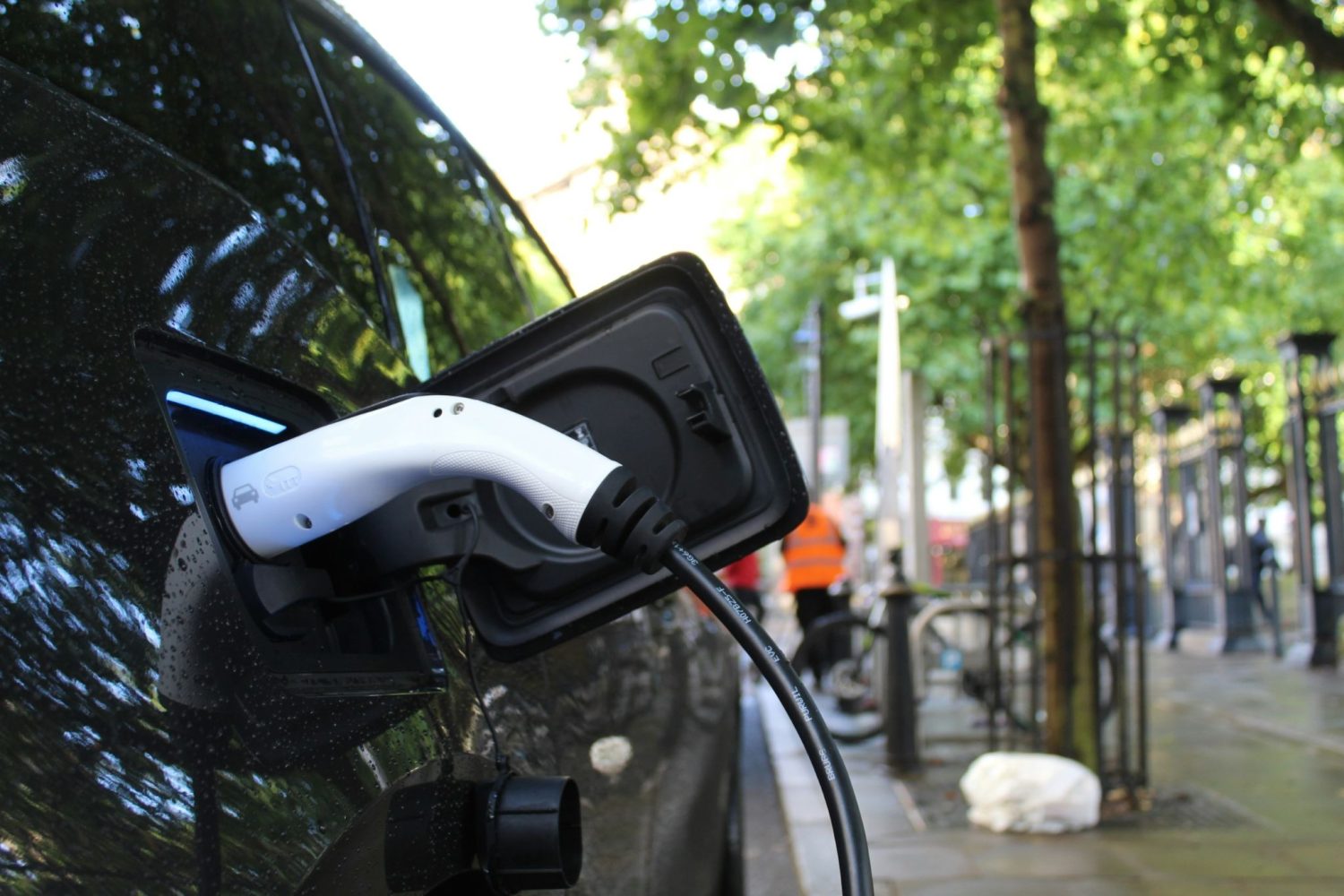
Simply put, by charging your electric vehicle. Visually, all the elements are similar to traditional service station setups (to the uninitiated, the two methods look pretty much the same). Three levels of charging exist:
- Level 1 is the charging station you will have installed at home in your garage. Level 2 uses a dedicated charging station; most of the stations around Southbank offer this level, which can be anything from 30 minutes of charging to a few hours.
- Level 3 is the fastest charging level, powerful, and great for top-ups.
Some stations draw their power from renewable energy, reducing their impact.
The Impacts on Southbank: Are they good or bad?
Like any change to council space, public opinion usually decides on the nature of the impact. That said, some points are arguably more objective than subjective. Here are a few that, over time, can be supported with hard evidence:
The Positives
An immediate benefit? The increase in foot traffic. Think about it: while you wait for your EV to charge, you can explore Southbank (though it’s highly likely this was the plan all along). And a short walk from Southbank is the South Melbourne Market. If you love food, you can’t ignore this place.
It’s hard not to see this decision as a clear message that Southbank supports more sustainable living. In the long run, this might even influence real estate demand; certainly, current residents and property owners will highlight these stations to promote desirability for their investments.
It aligns with the city of Melbourne’s broader sustainability plans, which, again, is hard to argue with.
The Challenges
The biggest challenge? Logistical. Install a charging station, and you often have to repurpose street parking. Think roadworks, think delays, and potential tension over already limited space. And despite being cleaner to run than traditional cars, EVs will rely on grid power. Is that power renewable? It’s a question you must ask.
Another question raised: Is the investment in EV infrastructure aimed at benefiting higher-income residents only? EVs are still more expensive than traditional cars; is the shift one of equity?
Also, EVs still take up the same space as traditional cars, which does little to address existing traffic congestion or promote the increased use of public transport.
What does this mean for the locals?
On the one hand, this shift will make Southbank a more EV-friendly area, which is pertinent if you’re considering an electric car. More accessibility usually translates to more visitors, which should yield more revenue for local Southbank businesses.
On the other hand, it should make for a reduction in emissions, which, over time, should mean cleaner air for the locals (of course, noticeable levels of change in air quality would take considerable time).
It raises practical questions:
- Will the number of EV chargers rise proportionally with EV adoption? Like traditional service stations, supply must, at least, keep up with demand; otherwise, the local council risks dealing with unwanted traffic congestion around available charging stations.
- How will the local government balance public space with parking? The challenge is finding solutions that appease both sides of the fence. Not every Southbank resident drives, let alone drives an EV, so it’d be counterproductive to only consider measures that benefit EV drivers.
~
A cynic will view EV charging stations as little more than high-tech car parks. Truth is, they’re so much more than that. On a symbolic level, they represent Southbank’s evolving identity, a move that will bring economic and environmental benefits. On a logistical level, they provide another piece in Melbourne’s larger mobility puzzle.
While it’s difficult (and unhelpful) to argue that public transport remains Melbourne’s most sustainable option for city dwellers, EV infrastructure is, at least, a step in the right direction.
For Southbank, the key is balance; preserving what works while making space for innovation. In essence, this is the future of Southbank: a place that’s accessible, sustainable, and inclusive.