
By Aaron Cordy
WHEN we hear that AI is taking over, images and memes of Terminator scenarios pop up of a bleak world ravaged by robots. The truth is far less glamorous but has very real consequences for Australia as the push to build more AI data centres (DC) is going on at an alarming rate.
The proposed DC in Plumpton on Melbourne’s outskirts that will cover 350 hectares is one of a slew of DC’s that are being fast-tracked in Australia as foreign and domestic tech companies compete in the AI arms race with little to no checks and balances from government agencies, and almost no consultation from the communities that they are being implanted in.
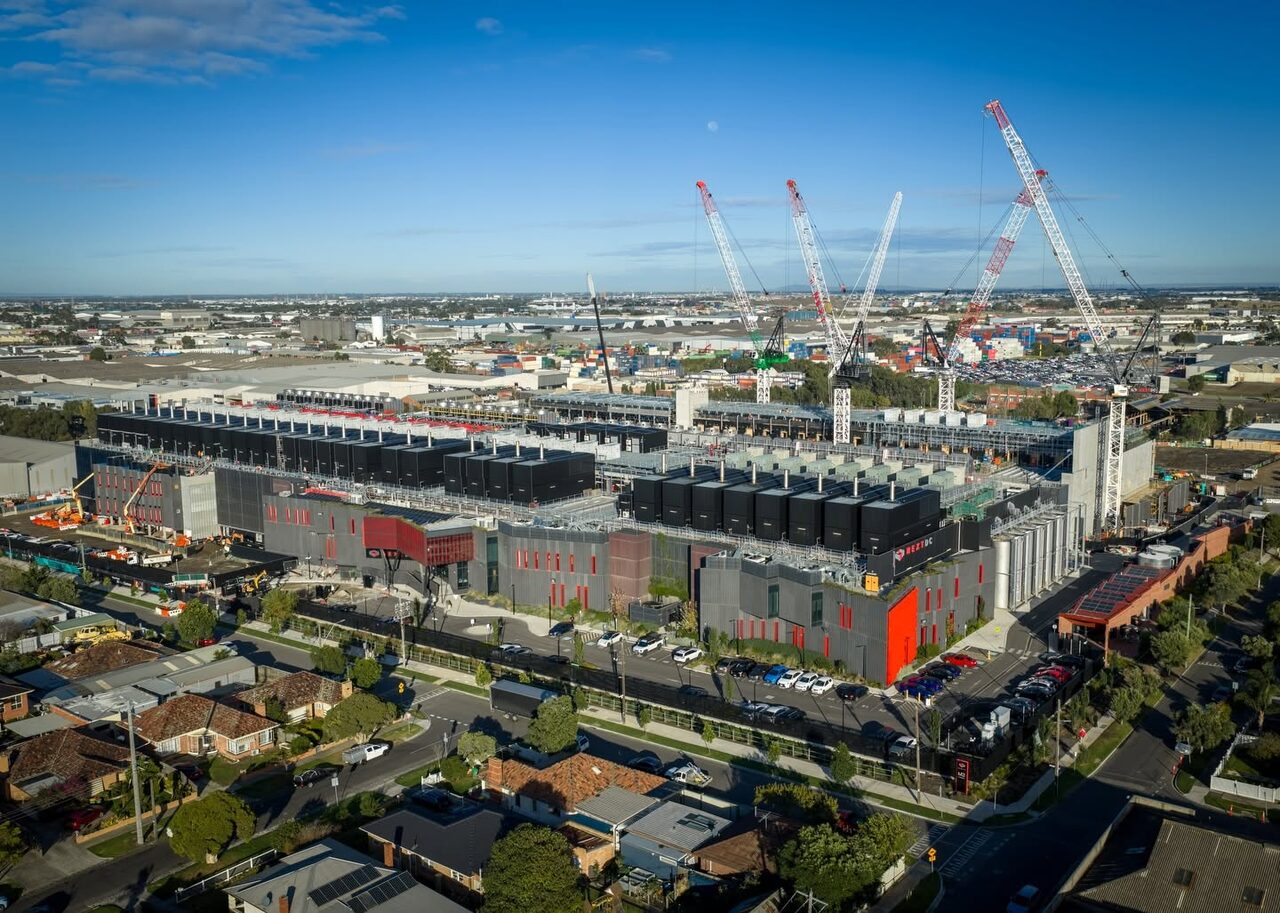
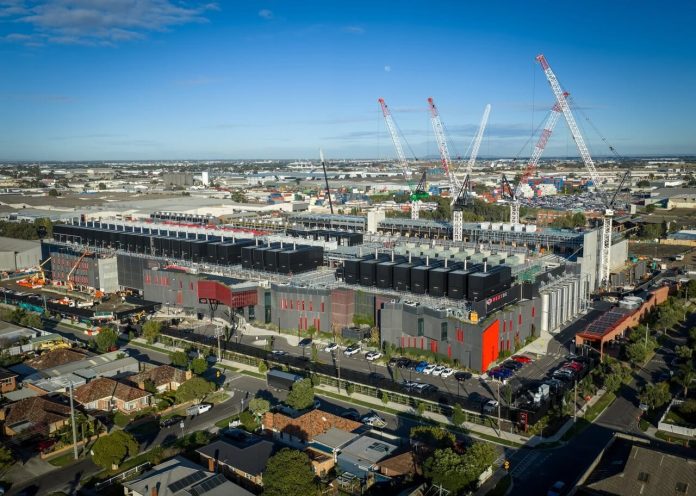
DATA CENTRES… AI Data Centres are being fast-tracked across Australia, but is the country ready for the amount of water and energy consumption predicted for the boom? Pictured is the Data Centre in Footscray, which is set for a massive expansion despite being in a residential area. Photo: Supplied
Australia currently has over 260 operational and proposed DCs, 60 of which are in Victoria, with more on the way. While having all your answers at the touch of a button seems like a good idea, there are moral ambiguities of AI stealing the intellectual property of writers and music artists, taking jobs, or being used to monitor citizens’ every move in supermarkets like Coles.
The climate risks of powering and cooling the newer DC mega hubs pose a greater threat to the environment and could force up energy prices if they remain reliant on fossil fuels. Reports of high levels of noise pollution, power usage, and water usage are alarming. Erin Brockovich even mapped DCs across the USA, which links them to drought-ravaged areas.
In a DC report, Energy Vampires, commissioned by Greenpeace and authored by Ketan Joshi, an independent climate, environment and sustainability expert, states that Australia’s rush to approve massive new projects will derail Australia’s energy transition unless the government urgently intervenes.
According to the report, early signs of a data centre-fuelled gas boom in Australia will come with massive, nationally significant climate costs. For example, in NSW, Cloud Carrier’s proposed gas-fired project would wipe out NSW’s entire projected 2028 emissions cuts.
Even if only one in four new Australian DCs were powered by on-site gas, it would result in 2.8x higher total emissions compared to using grid power.
A Climate Council report estimates DC’s total water demand in Australia will more than triple from 5.5 GL to 17 GL over the next five years. In Sydney, data centre water demand is projected to grow to 1.9 per cent of the city’s supply, and to 0.9 per cent of Melbourne’s by 2030.
Despite these concerns, across the country, governments fast-track DCs without a long-term vision of what effects they will have on the environment. On a recent visit to the regions, federal Shadow Minister for Water Michael McCormack MP, said DCs are something we need to get used to.
“Well, I don’t wear a tin foil hat, and you know, you like to think that everything is in balance, but the trouble is, we’ve all got one of these things (indicates his smart phone), and they suck up a lot of power. AI is coming, whether we like it or not. We need to be able to utilise that technology in a sensible way,” said Mr McCormack.
The benefits of artificial intelligence are numerous, as are its shortfalls. In the words of OpenAI CEO Sam Altman in 2015 – who the US state of Florida recently filed a lawsuit against, alleging the tech giant put profit over public safety with its flagship AI product, ChatGPT, citing the incident when it helped a 16-year-old plan a ‘beautiful suicide.’ – “You know I think AI will probably, like most likely sort of, lead to the end of the world, but in the meantime, uh, there will be great companies created with serious machine learning.”