

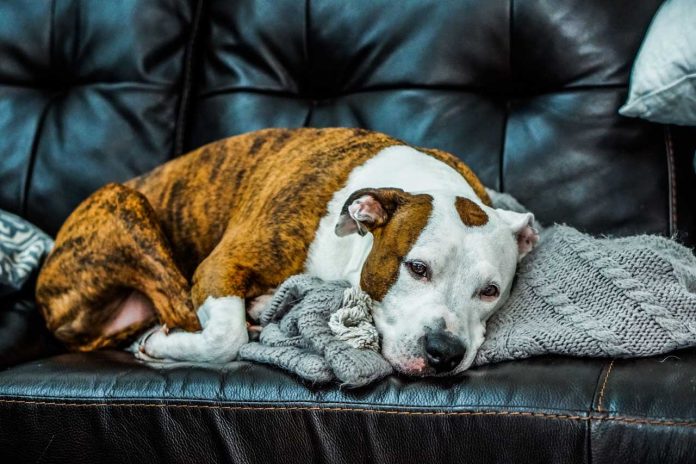
DOG owners across the Goulburn Valley are urged to be on high alert with local vets now confirming an outbreak and the active presence of Parvovirus in the region once again.
Parvovirus is highly contagious and is typically transmitted via contact with the faeces, saliva or vomit of an infected animal. Transferred simply and commonly through contact with vulnerable dogs’ paws, collected on shoes, bedding or leashes, dogs can unknowingly come into contact with excrement when sniffing the ground on walks or at the dog park.
It is important to understand that you don’t need direct dog-to-dog contact for a dog to become infected with parvovirus.
The virus is extremely resilient when present in the environment and can survive for long periods without an outbreak. It can withstand routine cleaning and weather changes, making the spread of the virus very hard to control.
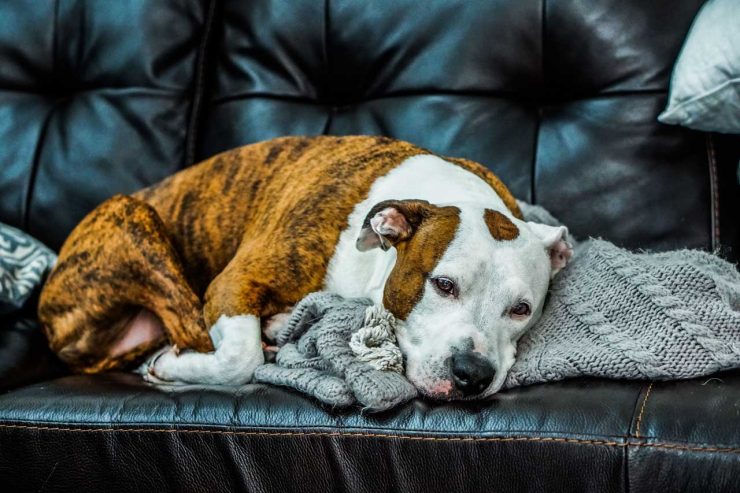
Parvovirus is a disease that primarily attacks the lining of the small intestine, bone marrow, and in some cases can cause heart inflammation.
If a dog or puppy is not yet fully vaccinated, they should be kept isolated and away from environments where Parvo could be caught, as newly infected animals may be incubating the virus and not yet showing clinical signs. Animals should remain isolated until they are known to not be carrying the disease.
If older dogs or puppies have insufficient antibodies, they are particularly vulnerable and considered at high risk of contracting the infection.
Clinical signs in some animals can be inapparent initially, however the most common clinical signs of Parvo include tiredness, reluctance to play, disinterest in food, abdominal bloating, both extremities of fever, vomiting and diarrhoea; which can vary in appearance, from a jelly-like mucus to bloody and runny.
If your dog or puppy contracts Parvo, treatment is intensive and expensive. The average hospital stay is around 4-7 days, and many patients who do not receive adequate treatment will succumb to the disease.
Affected dogs will experience significant deterioration within a 48-hour period and will require admission to a local animal hospital, along with blood tests, intravenous fluids, tube feeding, analgesia, and in some cases plasma transfusions.