

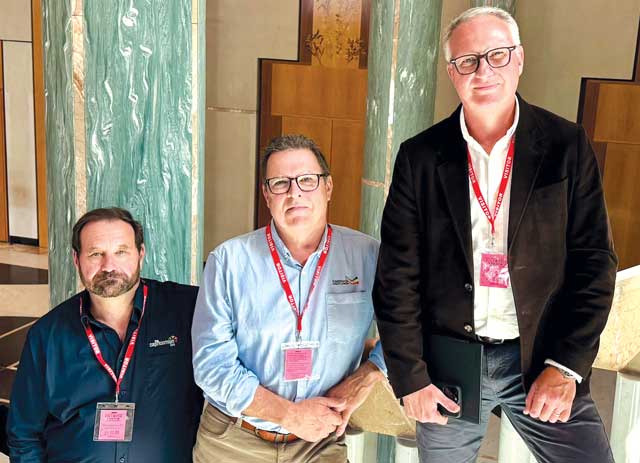
AN alliance of regional banks, small businesses and community supporters are calling for an urgent fix to the ongoing desertion of essential bank branch services in regional Australia, a situation they say has blown a $1B a year hole in regional investment and cost nearly 4,000 local jobs in just nine years.
Current band-aid measures like the “moratorium” until 2027 and Bank@Post are unsatisfactory as many big banks are using them to mask ongoing reductions in opening hours and services including cash holding, the Regional Banking Investment Alliance (RBIA) said.
The Alliance is proposing a bank-funded, low-cost sharing model to be introduced urgently, to counter the ongoing decline in branch services. The model will see banking services and bank jobs with trained staff return to regional and remote communities.
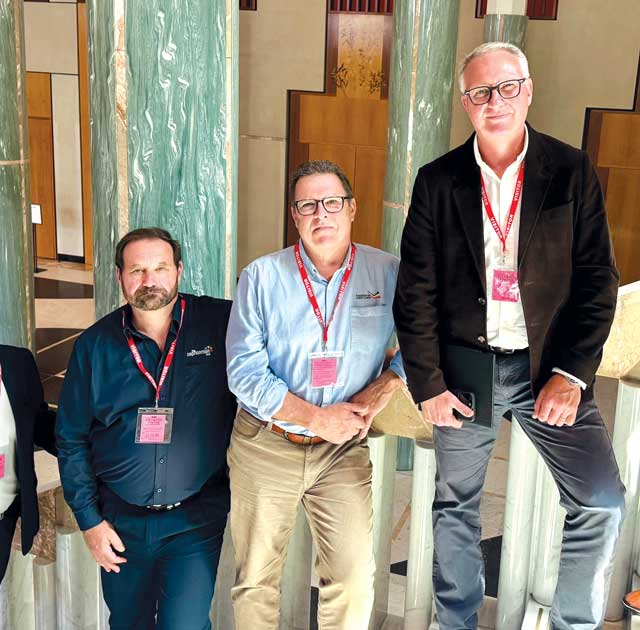
RBIA member and CEO of Regional Australia Bank, David Heine, said a Community Service Obligation and cost sharing model on banks would reverse an unfair cross-subsidy that already exists, where banks that choose to stay and service regional communities are currently providing face-to-face services for the rest of the industry with no support.
In a process called “pass through banking,” regional banks are providing daily services, whilst larger and online banks are profiting from mortgages and deposits.
“Face-to-face services are part of a bank’s social licence to operate in Australia, and many are abandoning that responsibility,” Heine said. “Face-to-face banking services are not a ‘nice to have’ – they provide essential services and trained personnel to cater for needs of the people and businesses in our regional and remote communities.”
Community backlash has resulted in two Federal Parliamentary inquiries, both of which concluded that branches were essential and that solutions were needed to keep bank branches in regional areas, however, no meaningful policy has been implemented.
Over the past nine years, there has been a 38 per cent reduction in bank branches in regional and remote Australia, around 900 branches closed and nearly 4,000 jobs lost. Meanwhile, banks have pocketed about $1B a year in cost savings from these closures.
RBIA said that worse still, some of the fastest growing banks, backed by tax-pater protections, provide no face-to-face regional branch support at all.
Dale Grounds, CEO of The Capricornian Bank said the moratorium on branch closures only covered the Big 4 Banks, does not cover reductions in opening hours or services and is set to expire in 2027, whilst Bank@Post does not provide the array of services, privacy or security required by regional people.
“A proper incentive-based scheme is needed to preserve the financial viability of existing branches and incentivise banks to invest in new ones,” he said. “The RBIA has developed a modest and affordable cost-sharing model that redistributes bank funds to where they need to go, helping fund regional staff working face-to-face in our towns and communities.
“This is bank problem, and the industry needs to step up and fulfil their obligations to the Australian people. That is why the model is 100 per cent funded by banks, with no taxpayer funds needed.”
In recent weeks, the RBIA has held several consultations with community and business groups, as well as discussions with other banks, politicians and Treasury.
Rowan Lee, CEO of the Australasian Convenience and Petroleum Marketers Association said he supports the RBIA. He said, “It is essential that bank branches remain open, especially in regional areas. Fuel stores have been mandated by the government to accept cash, and bank branches have the staff and the security to ensure the ongoing accessibility to cash.”
Senior Policy Officer from the Combined Pensioners & Superannuants Association, Dr Billy Pringle, added that “face-to-face services cannot simply be replaced by online banking, especially for groups and communities who are digitally excluded. A loss of bank branches in the bush means a loss of financial autonomy and financial safety for these communities.”
The RBIA launched a petition calling for community support for a cost sharing initiative: www.change.org/p/obligation-on-banks-to-fund-face-to-face-banking-in-regional-australia