

By Aaron Cordy
WHEN women experience domestic violence, over two-thirds must leave their home after the relationship ends, with many forced to leave property or assets behind. It is a cycle that has affected Australian women for generations and is putting further strain on the housing crisis.
Women are increasingly becoming more susceptible to homelessness after a marriage or relationship breakdown, with older women the fastest-growing group at risk. When you add violence into the relationship, the risks to vulnerable women skyrocket. While there is support available for women who seek it, many fall short of what is truly needed.
Juno’s ground breaking EMPower program provides up to 24 months of trauma-informed coaching to help victim/survivors from across Victoria rebuild financial independence after family violence and homelessness.
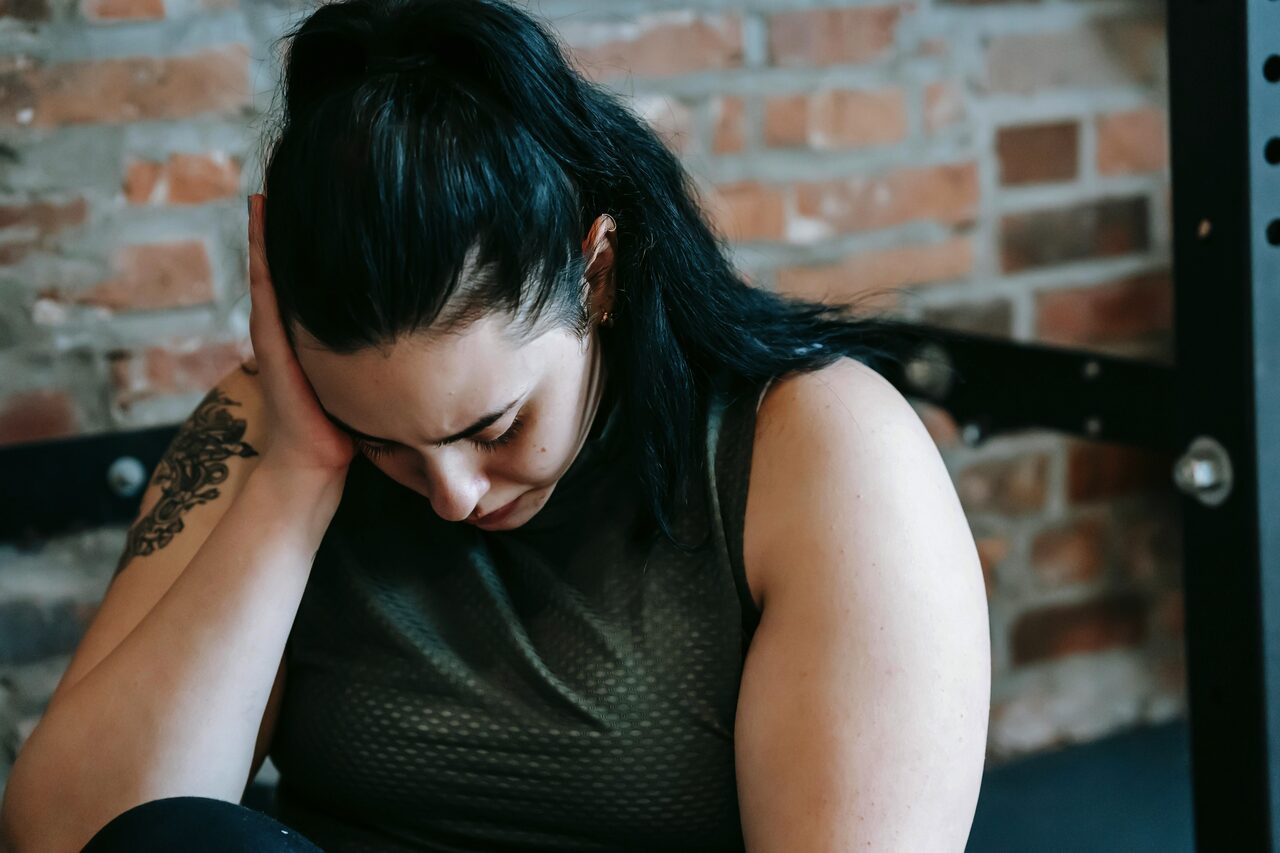
“The thing that we’ve definitely noticed is once someone’s out of an immediate situation, or they’re finally housed, that’s the time when things start to kick in. That’s when the reality of everything that’s just happened starts to dawn on people,” said Juno CEO Tanya Corrie.
“They’re no longer in survival mode, so they can sit down and say, ‘Oh my God, I’ve got all these things to do.’ That’s when services pull out, because that’s all we’re funded to do is the crisis work. Crisis services are essential, but they’re only the first step. Without structured support to rebuild income, savings and long-term goals, victim-survivors remain at risk of ongoing poverty. That’s essential to recovery, but also to stop the cycle.”
When Mary (not her real name) left a violent relationship, she was pregnant, homeless and sleeping in her car with her young child, unsure where her next meal would come from. Today, she owns her own home thanks to EMPower.
The mother of two is one of dozens of women supported by EMPower. She achieved financial independence through structured goal setting across various aspects of her life, including well-being, education, financial management, and employment, all combined with peer support.
“Before joining EMPower, I was a pregnant, homeless mum sleeping in my car, unsure how I would survive. Since starting the program, I now own a home and can provide for my kids in a safe and stable environment. My coach helped me rebuild my self-belief, navigate obstacles and set meaningful goals, helping me to have confidence in myself and feel like a great single mum,” said Mary.
The EMPower program provides up to 24 months of trauma-informed, strengths-based coaching to women, trans and gender-diverse people who have experienced homelessness and family violence, and the results are significant.
After 18 months in EMPower:
- 100 per cent of participants were in safe, secure housing
- Median savings increased by 329 per cent, from $490 to $2,100
- 83 per cent of participants in the labour force were employed, up from 32 per cent at intake
- Median income increased by 46 per cent, from $1,000 to $1,463.50 per fortnight
Rising housing costs and cost-of-living pressures place increased demand for programs like EMPower, which have been proven to achieve good long-term outcomes for not only the women affected but also children and communities when cycles of violence and homelessness are broken.
“For us, the biggest thing is just seeing what people are capable of, seeing that spark reignited for people. We don’t do anything for them in this program. It really is very much about talking to them about what they want, and they do it themselves,” said Tanya.