
AS winter deepens and energy prices remain high, the simple act of keeping warm has become a growing concern for many households. For families juggling rising living costs, investing in home insulation might seem out of reach. Yet, the truth is, staying warm doesn’t have to mean spending a fortune.
Practical and affordable solutions are within everyone’s reach. Here are a few cost-effective tips:
Draft-proofing
Sealing gaps around doors and windows with weather stripping or using draft excluders can make a noticeable difference.
Heavy or thermal curtains
These are your greatest weapon for insulation, keeping the heat in during winter and out in summer. Utilising a special liner that acts as a barrier against temperature changes, thermal curtains are easy to install and prevent heat leakage through windows, where up to 40 per cent of heat in the home can be lost. Available in a variety of styles and colours, thermal curtains can also be a décor win all year round.
Secondary glazing
Particularly useful for older homes, where replacing stained-glass windows or bespoke styles is not desirable or feasible, secondary glazing adds an additional layer (glass or acrylic) installed on the interior side of the window. This creates a pocket of air between the window and the new pane, significantly improving insulation and reducing noise.
Seal cracks and gaps
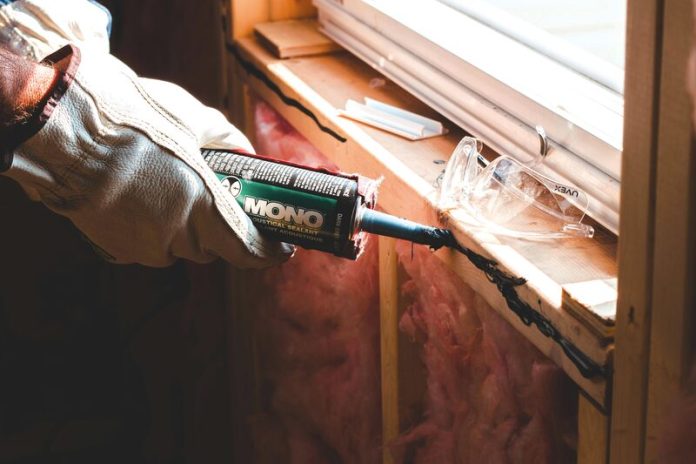
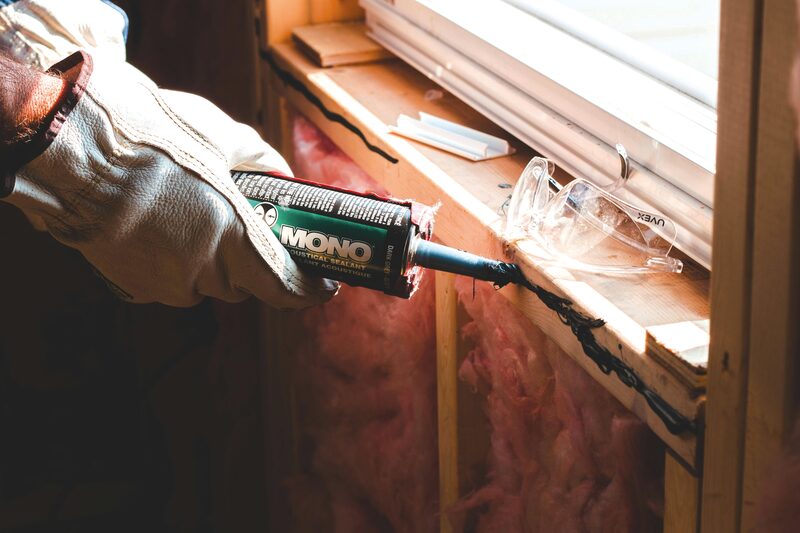
You can prevent heat loss in your home by 15-25 per cent by simply addressing cracks in walls and floors. This can be done affordably with caulk, expanding foam, or backer rod, depending on the size and location of the gap.
Install a smart thermostat
A programmable thermostat can help regulate temperatures and reduce energy consumption efficiently.
Ceiling fans
Reverse the direction of your ceiling fan to push warm air down during winter.
Strategically rearrange furniture
Consider moving furniture away from cold walls or windows to reduce exposure to cold surfaces.
Beyond the quick wins and fixes
Longer-term upgrades, like wall, floor, and pipe insulation, offer significant energy savings over time.