

State Government’s target contradictory to effects of huge increases in land tax
THE dream of owning an investment property has been pushed further out of reach for investors looking to build financial security for the future as the Allan Government dramatically increased the Land Tax to help reduce the COVID Debt.
It has been no secret that Victoria incurred massive debt under former premier Dan Andrew’s watch during COVID. The plan to pay down $31.5B debt has been put on the backs of small, medium and big businesses, investors and those who pay land tax, as they try to reduce the debt over the next 10 years.
From 2024 as part of the Victorian Government’s COVID Debt Repayment Plan, when the total taxable value of the property that is not your primary residence is equal to or above the $50,000 threshold, you are liable to pay land tax.
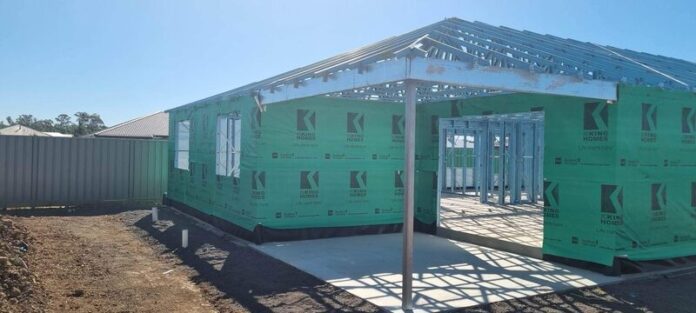
The Land Tax appears to run in direct contradiction to the State Government’s housing targets with its lofty aim of 2.24M new homes built by 2051. Each of Victoria’s councils has been given a target, with Greater Shepparton expected to build 14,500 new homes in the next 27 years. The increase in the Land Tax, which begins at $500 for a property valued at $50,000, steeply increases as the value of the property goes up, this has investors reconsidering whether investing in property in Victoria is the way to go. From 2021 to 2024 the Land Tax has increased by over 21 per cent, for a property valued at $3,000,000 and over there is a flat tax rate of $31,650 plus 2.65% of the value to be paid yearly.
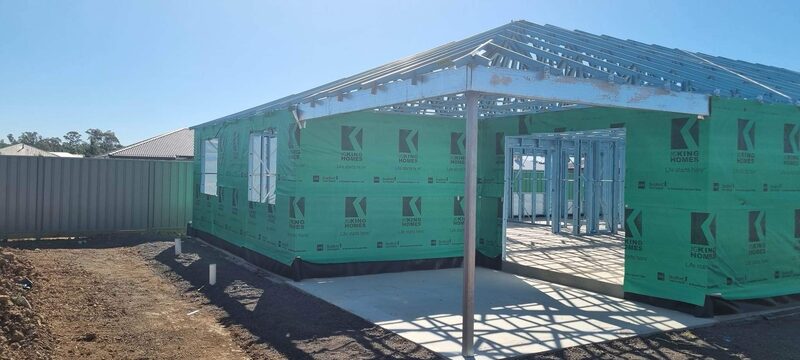
Anyone who has invested in an additional property is affected.
Land Tax represented an average of 12.4% of total taxation revenue from 2013–14 to 2022–23, with commercial and industrial sectors hit the worst. It is estimated that Victoria’s land tax revenue from commercial and industrial land increased by $1,803.7M (193.2%) from 2013–14 to 2022–23.
The ramifications of the Land Tax have already been felt dramatically in the property market with 1000s of investors selling investment properties, causing rise in rental prices. Over the last three years, there has been an average increase of 9.1 per cent a year on rental properties, leaving many families feeling the pinch as they try to keep a roof over their heads.
While it is not all doom and gloom for taxpayers with both federal and state governments announcing tax cuts earlier this year for low-income households, the cost of living crisis fueled by inflation and rent increases, means most families won’t feel the benefit of the tax breaks as they struggle to feed their families and keep a roof over their heads.