
By Aaron Cordy
WHILE the humble pear celebrated National Pear Week from June 2nd to 8th, pear growers in the region have a little less to celebrate with growers reporting a need to remove half their orchards to stay viable.
The Goulburn Valley produces 90 per cent of Australia’s pear, but according to Apple and Pear Australia Limited (APAL), the value of the Australian pear industry dropped from $175 million in 2011 to $67 million by 2020. With reports of 10 per cent of the nation’s pear trees uprooted in 2023 as growers respond to falling returns and rising costs.
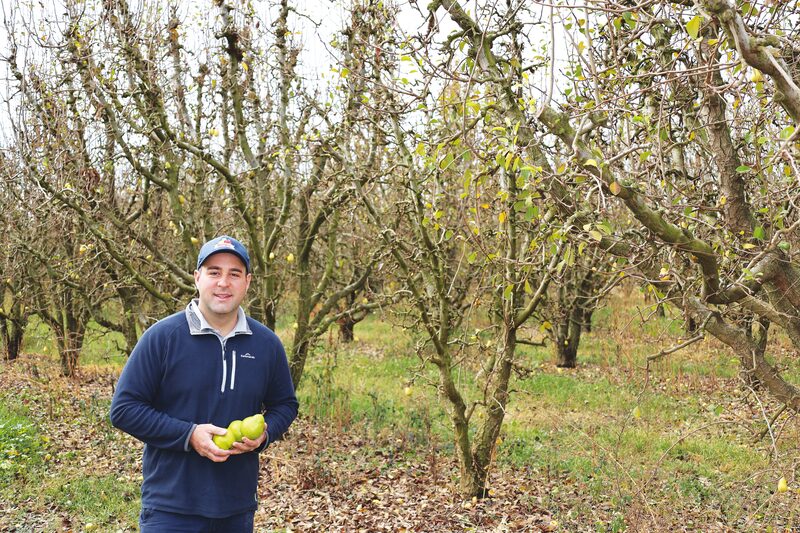
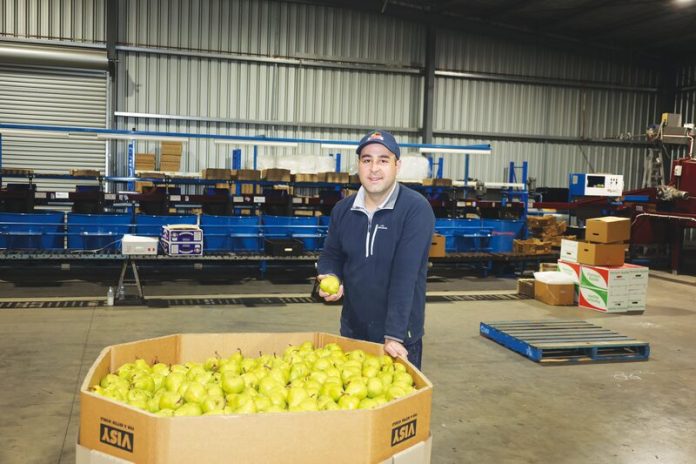
“All the inputs are going up, you know, the price of fruits just hovers at the same mark,” said Shepparton pear grower Selim Shaholli. Despite the struggles faced by farmers and growers, Selim has embraced the Pear Week initiative and is encouraging all Australians to do so by buying locally grown pears.
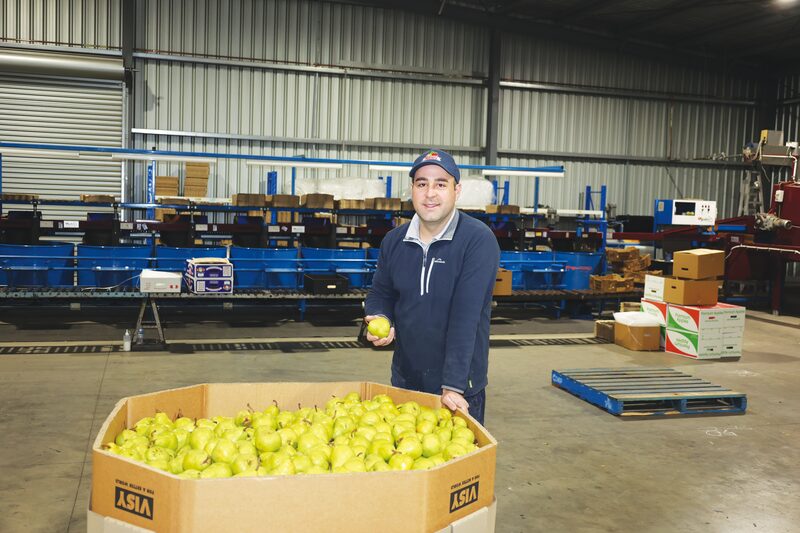
“There’s a lot going on in the industry that is sort of a negative, with costs our biggest problem. We can’t set a minimum price, it’s just a market commodity, in a sense, whatever the value is across the board. But the whole point of what we’re trying to do is just to say, you have got pears over the winter. They’re a great source of low GI. You can cook with them and eat them as is. There’s a lot of good about pears.”
Pears are one of the most nutritious and versatile fruits Australians can buy. With a very low Glycaemic Index of around 30 (compared to 60–80 for fruits like pineapple, watermelon and banana), they provide slow-burning energy that is ideal for children, diabetics or anyone watching blood sugar. They’re also high in fibre with 50% more than apples and pears are packed with vitamin C, potassium and antioxidants.
The Shaholli’s have been growing pears in the region for generations, which means they have trees that have been around for a while. Uprooting orchids is not a new practice, the question most growers are asking themselves lately, is it worth replanting the pear trees or is it better to find a more viable alternative.
“You can’t just cut them out and start again. You’ve got to have a transition there, especially with pears, they’ll take 10 to 15 years to really settle down and get a nice crop on them,” said Selim.
“So it’s not, it’s not an overnight thing to say, like, yep, we need more tomorrow, more in a year or two. It’s a long period to wait.
“The money’s not there because the yields dropping, the quality is dropping, so you’re not making as much money. And with the cost going up, it’s, you got to factor it in and say it’s costing me more to produce, so I’ll bulldoze it, but not to replace it with new pairs. You know, we’re looking at other fruits to plant it with. Realistically, if the prices were good and plant pear straight away because they are grower friendly.”
Eating wholesome fresh pears grown locally not only benefits growers, it also benefits the health of you and your family.