

How interior design reflects what we make of the world
By Natasha Fujimoto
HAVE you ever wondered what drives the ever–shifting trends behind home interior design? You may be surprised at just how deeply reflective these movements are, not only of the socio–political climates in which we live, but also of a universal desire for comfort, sustainability and personal expression in an increasingly frenetic world shaped by rapid technological advancement and constant distraction.
From the ornate sophistication of the Victorian era to the clean restraint of modernist design, the way we decorate our homes offers a historical window into the manufacturing capabilities and material availability of any given era. At the same time, it provides insight into the prevailing zeitgeist—the spirit of the times.
From the post–war optimism of 1920s Art Deco, with its geometric patterns and opulent materials such as chrome and glass, to the bold, psychedelic colours and space–age furniture of the rebellious 1960s, interior design has consistently captured the mood of the moment. These styles have always been shaped not only by social and political undercurrents, but also by what was possible from a technological and economic standpoint.
So, the million–dollar question is: what does modern interior design, and its constant micro–shifts, say about the world we live in today? The answer is, quite a lot. Let’s take a closer look.
In 2026, the spirit of the age reflects a desire for homes to function as sanctuaries—places where meaning, resilience, wellbeing and sensory immersion are paramount. Cold minimalism and showroom–perfect interiors are out.
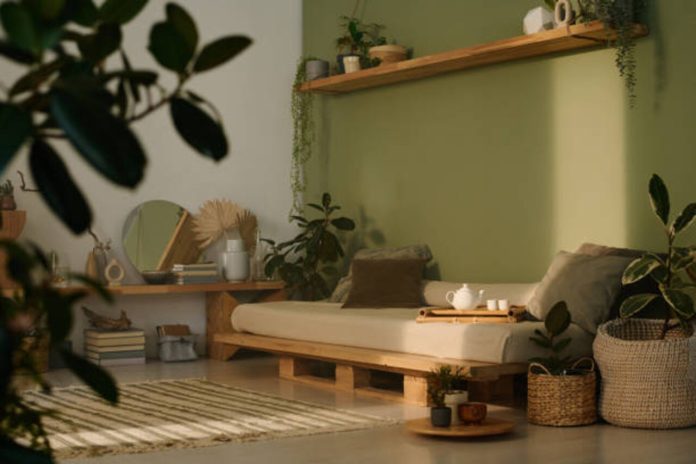
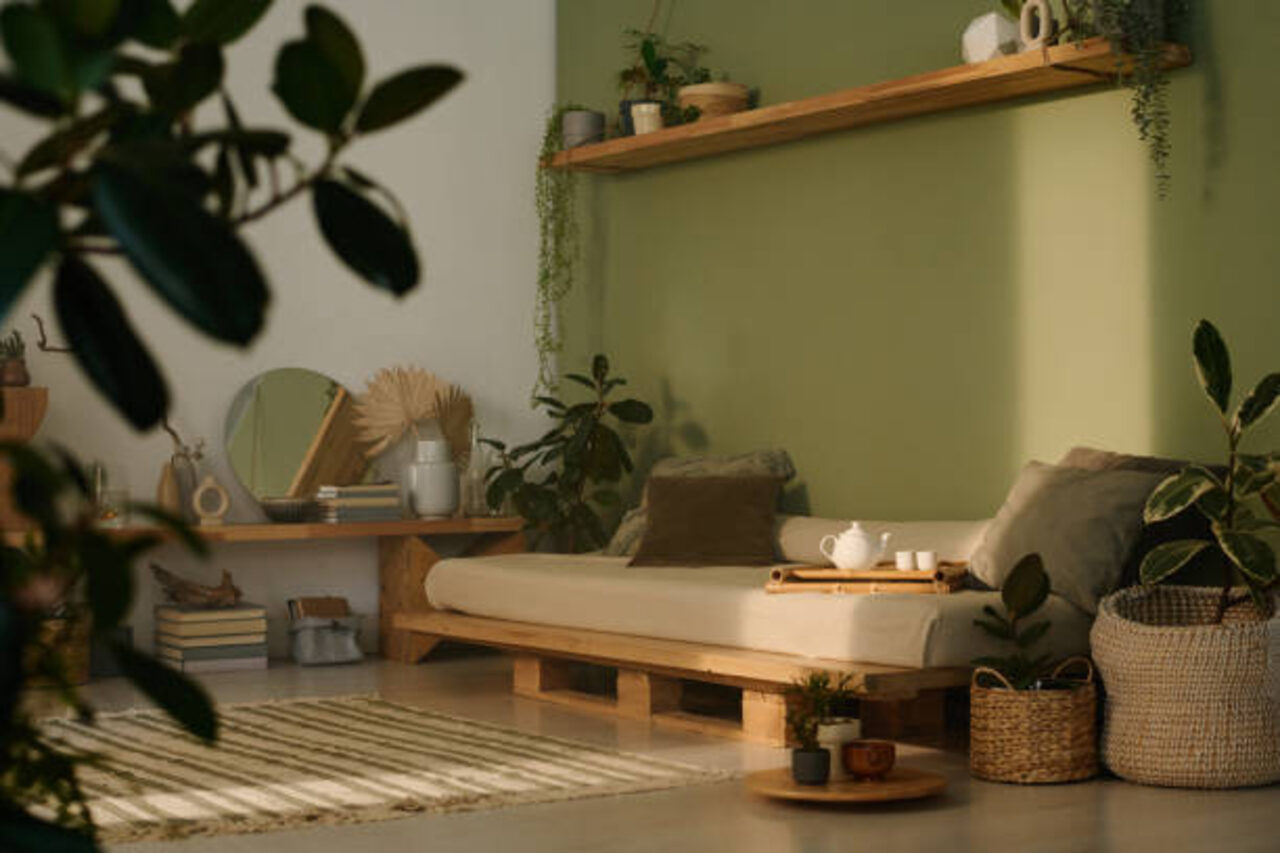
Instead, there is a strong preference for organic lines and sculptural, rounded furniture, paired with earth–led palettes such as muted ochre, clay, sand and eucalyptus green. Interior design now seeks to bring the authenticity of nature indoors.
This shift is reinforced by a growing appreciation for raw materials and tactile surfaces, including stone textures and natural timbers, materials that age gracefully over time rather than degrading into waste. The philosophy of “buy once, buy well” is increasingly embraced across Australian homes.
Taken further, homeowners are also fostering wellbeing and a stronger sense of self through nature-loving elements such as living walls and vertical gardens, as well as edible spaces created through herb gardens in sunny courtyards and balconies.
In short, interior design in Australia has become restorative, harnessing biophilic immersion to create cocoon–like environments. Sharp angles are giving way to softer, more protective forms, as homes evolve into spaces of refuge, grounding and renewal.