
By Deanne Jeffers
REGIONAL communities and Greater Shepparton’s priority projects have missed out on funding in the latest State Budget, delivered by Treasurer Jaclyn Symes last week.
While there is some relief at a statewide level, including 20 per cent of car registrations and discounted public transport fares, critics say much of the ‘silver linings’ in the 2026/27 budget fail to provide immediate, meaningful relief to regional and rural communities.
Greater Shepparton City Council welcomed a few important local and regional investments but noted that further work is required to fully meet the needs of the community.
“We acknowledge the investments for Greater Shepparton included in this budget, but there are still clear gaps that our community will continue to feel,” said Mayor Councillor Shane Sali.
Funding that will benefit Greater Shepparton include:
• $29.8M to deliver the nine return train services per day between Shepparton and Melbourne, following the completion of the Shepparton Line Upgrade.
• $480,000 to support Basketball High Performance Hubs, including the Shepparton Hub alongside Ballarat, Bendigo, Geelong and Traralgon.
• $7.1M to operationalise a new PET scanner at GV Health Shepparton Hospital.
• A statewide commitment of $75M through the Regional Health Infrastructure Fund, to renew and upgrade infrastructure across regional and rural health services.
• $1.3M to continue place-based education pathways at Shepparton and John Fawkner Colleges, helping connect students and families with community focussed supports to improve learning and wellbeing outcomes.
• More than $15M to support five supportive housing sites in Shepparton, Mildura, Seddon, Melbourne and St Kilda, aiding people experiencing housing vulnerability.
The budget also includes a statewide investment of $1B for regional road maintenance, however, Council said this is not an increase in investment for regional Victoria.
“This funding is allocated each year for regional road maintenance and does nothing to improve the current situation of our roads. Without a genuine increase in funding, the maintenance backlog will continue to grow, and the same issues will re-emerge year after year,” said Cr Sali.
While reduced public transport fares and improved rail services were positive steps, access to transport remains a key issue locally.
“Cheaper fares don’t help if services aren’t available. In Greater Shepparton, bus frequency and coverage remain major barriers for many residents.”
Member for Northern Victoria Wendy Lovell highlighted that Labor’s ‘bus bonanza’ would benefit city suburbs while Greater Shepparton misses out on expanded services and a bus network review. Meanwhile, there is no clear commencement date for when the additional services would begin on the Shepparton Line.
“Families in Shepparton will be deeply disappointed with this budget,” said Ms Lovell. “They will pay more tax, but see little for the region in return, while Labor spends big on projects in metropolitan Melbourne and increases state debt to record levels.”
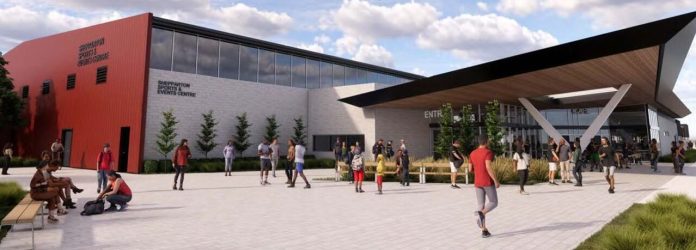
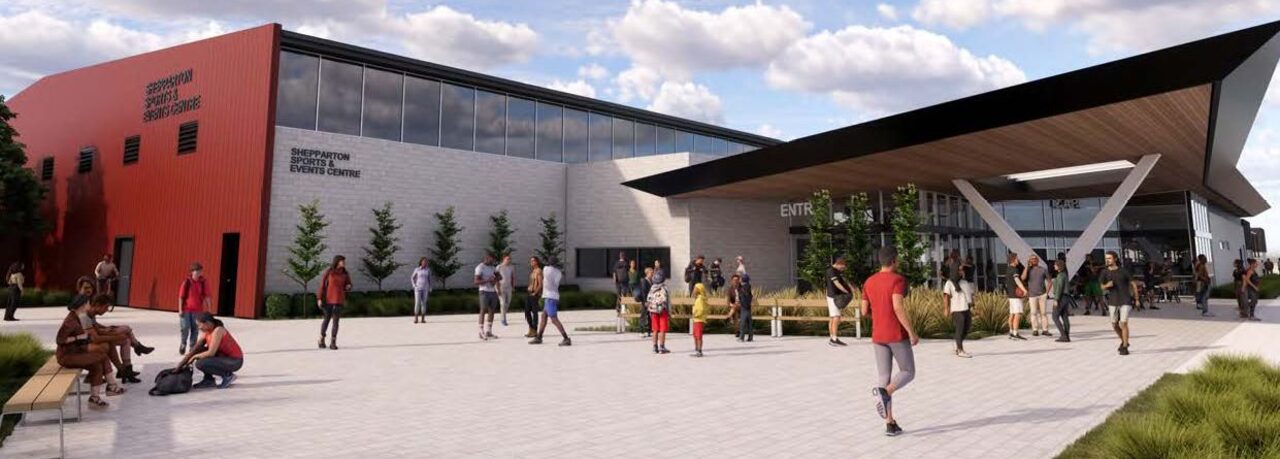
Ms Lovell highlighted that significant projects had missed out on funding, including the Shepparton Sports and Events Centre, Stage 2 of the GV Health redevelopment, Stage 2 of the Banmira Specialist School redevelopment, and Stage 1 of the Shepparton Bypass.
State debt, and the interest payments to service that debt, also remain a significant concern.
Ms Lovell said that while tax revenue is forecast to grow to $50.2B by 2029-30, increase of 16.2 per cent in the amount of tax Labor takes annually from Victorians, little of those funds will be reinvested into regional areas.
“At the same time, net debt will increase to $199.3 billion in 2029-30 and the interest payment on that debt will be $32 million every single day,” said Ms Lovell.
Member for Shepparton Kim O’Keeffe shared this concern. She said that despite both Premier Jacinta Allan and the Treasurer describing the budget as an ‘operating surplus’, it confirms a “cash deficit of $7.7 billion.”
“Despite all the spin and deflection by both the Premier and Labor, this is a budget that highlights the government’s disastrous track record when it comes to their financial mismanagement in office,” O’Keeffe said.
“It’s hard to fathom that interest payments are heading towards $1 million per hour, and rising debt will continue to place pressure on future budgets and service delivery.”
O’Keeffe also said that housing shortages in the region remain a key issue and expressed concern that key portfolio areas were cut, including $100.7M from Agriculture and $34.5M from the Regional Development Fund.