

By Deanne Jeffers
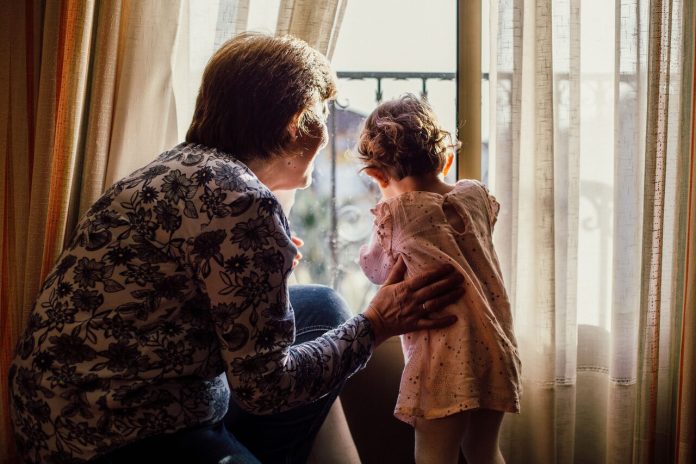
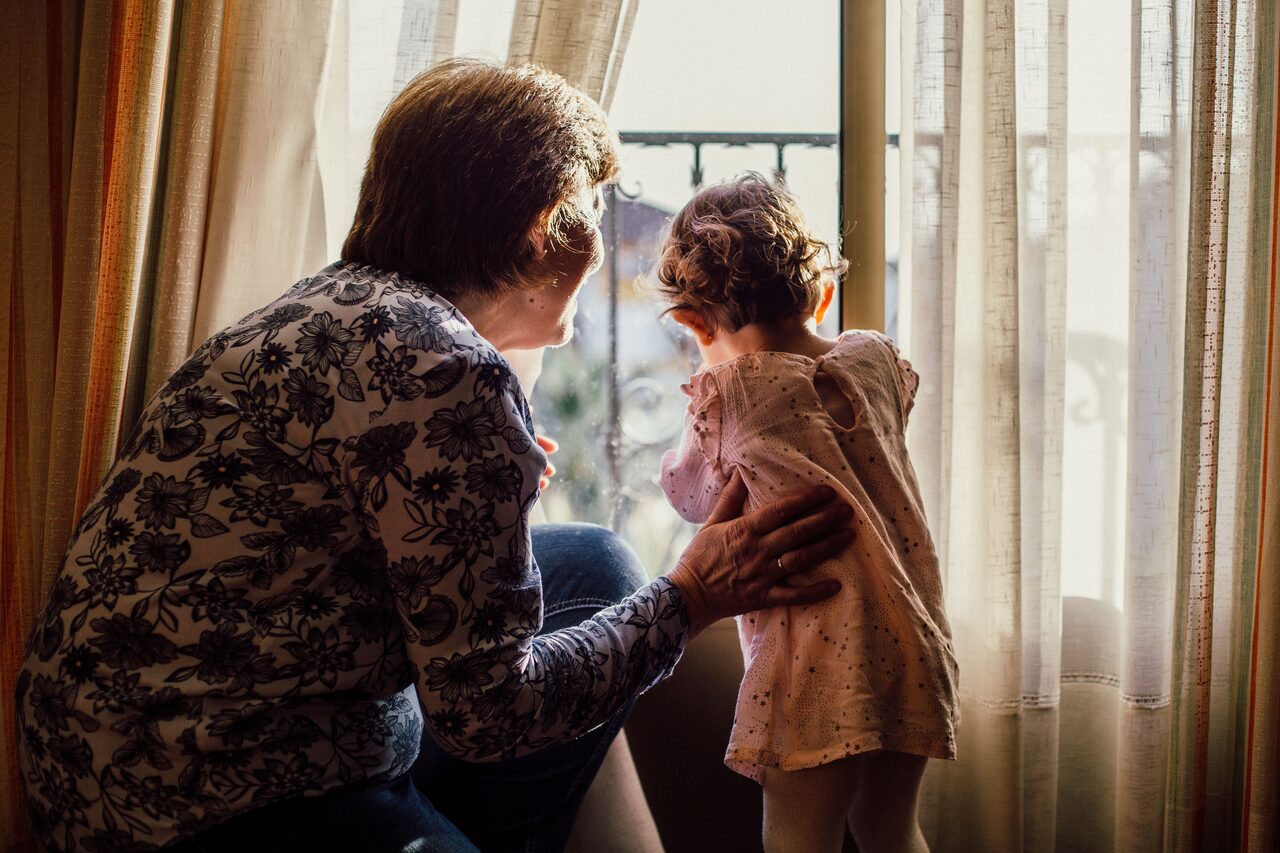
HIGH childcare costs, chronic centre waitlists, an ageing population living longer, healthier and eager for purpose, coupled with an annual Child Care Subsidy (CCS) budget sitting around $16 billion, points to a bold idea worth discussing: redirecting a portion of these funds directly to grandparents who provide regular care.
National Seniors Australia estimated in 2020 that informal ‘greycare’ is worth $4.4 billion per year and the Australian Seniors’ 2026 Grandparents report estimates that around seven in 10 (71 per cent) or grandparents over 50 actively support their families, with just over half providing financial support to their grandchildren or adult children. Of those providing financial support, more than half dipped into their savings or retirement funds.
Despite these findings, grandparents receive zero direct financial support, and parents cannot claim CCS to pay family members for care outside of approved childcare services.
This childcare strain is evident as over 1M families rely on approved services, averaging 27.6 hours a week (Child Care Subsidy data report – December quarter 2025).
Despite the introduction of the 3-Day Guarantee ensuring 72 hours of care per fortnight for eligible families, waitlists can stretch for months, regional shortages remain a significant challenge, and staff burnout is high. Meanwhile, two in five grandparents with grandchildren under 13 regularly step in to provide care, often cutting back their own paid work or superannuation to do so (Australian Institute of Family Studies).
At its core, the push to subsidise grandparent childcare is a debate about how society values informal, generational labor. For decades, modern economies have structured support around commercial, centre-based care, treating childcare as a professional service required to get parents back into the workforce. However, this rigid framework overlooks a massive, invisible economic engine: the ‘Bank of Nan and Pop’.
When grandparents step in to raise or watch grandchildren, they aren’t just babysitting; they are providing a multi-billion-dollar economic subsidy. This unpaid care allows parents to pursue careers, fills the gaps of irregular work shifts, and stabilises families during emergencies. Yet, this contribution often comes at a steep personal cost to the seniors themselves, who frequently sacrifice their own late-career income, retirement savings, and personal time without any financial recognition.
By shifting the focus from funding corporate institutions to funding the family unit itself, the concept challenges the traditional definition of productivity. It acknowledges that intergenerational care possesses a unique, non-commercial value that standard daycare cannot replicate. For children, it builds deep emotional security, resilience, and a vital bridge to family history. For seniors, it provides a profound sense of purpose, sharpens cognitive health, and combats social isolation.
The argument isn’t about creating a new welfare handout but about recognising an existing reality. Families and demographics have evolved beyond the traditional one-size-fits-all model. Formally backing “greycare” is an acknowledgement that the informal bonds of family are just as foundational to economic and social stability as commercial infrastructure, and that this vital, intergenerational work deserves to be visible, valued and supported.
What do you think? Would a subsidy like this make a difference for your own family? If you regularly care for grandchildren, we want to know your thoughts.
Share your opinion by writing to deanne.jeffers@sheppartonadviser.com.au