
By Aaron Cordy
DOMESTIC abuse is a hidden sickness that infects all levels of Australian society. One in four women have experienced violence from an intimate partner since age 15, with one woman a week killed by a partner on average. Family and domestic violence reports are rising, with 97,800 offenders recorded by police in 2024–25, an eight per cent increase and the highest since reporting began, according to the Australian Bureau of Statistics.
What is rarely reported on is that it is estimated that one in 14 men have experienced violence from an intimate partner after turning 16.
For generations, women have struggled to report abuse from a partner due to the system that has historically put more effort into victim-blaming than addressing the issue. For men, coming forward to report abuse from an intimate partner –male or female– a mix of shame, lack of belief, and the old adage that men and boys need to suck it up and be a man, can make it even harder to report domestic abuse.
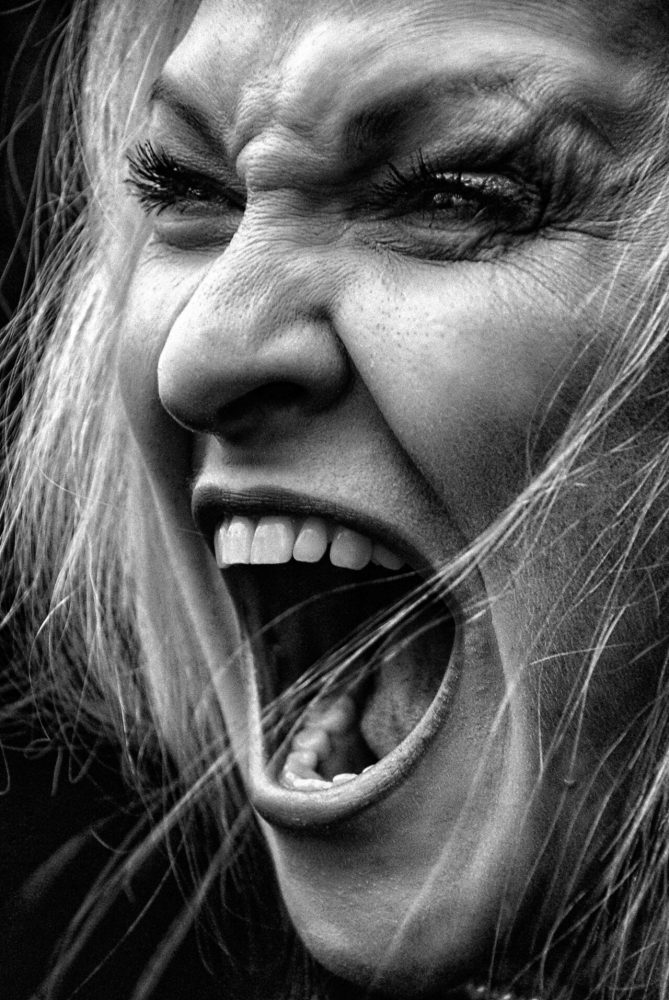
One local man, who will be called Steve, has experience with the system that has left almost as many scars on him as his ex-wife. As a ward of the state, Steve grew up believing violence and abuse in a relationship was natural.
“When I met my ex-wife, it was really nice that she wasn’t like that until she fell pregnant. Once she fell pregnant, we got married, and it turned. She would physically assault me on a daily basis,” said Steve.
“She punched me or hit me in the back of the head. She left bruises up and down my arm, around my back and my stomach after the children were born.
“If I didn’t get a particular thing she wanted done without her telling me, she would physically assault me or spend an hour or two screaming in my face about what I’d been doing or had not been doing. At one particular point, she pinned me to the ground, sat on my chest and just kept punching me. I reported this to the police, and they told me to grow some balls and not waste their time.”
It was not the last time the police would ignore Steve’s attempts to report his ex-wife. When he discovered she had used anti-freeze to poison his coffee in front of their children and one of her friends, which caused kidney stones. Again, seeking help, Steve was ignored by the local police.
“That friend of hers tried to report it to the police, but they ignored it. I tried to report it to the police. They told me I was just trying to get back at my ex-wife for leaving me. They refused to take a report or talk to anybody who saw it happen… I was only able to make a report about it last year. The anti-freezing happened in 2016.”
Breaking away from this toxic environment has been an odyssey for Steve and his children. His children have been and still are in danger of abuse in that environment because of his ex-wife and the people in her life.
“When we separated, I tried to organise to get myself and the children out of there, and the police told me that if I left with the kids, I would be charged with kidnapping. I called every support service in the area for people experiencing family violence, and the most common response I got was, ‘You don’t know what it’s like to be a parent raising children 24/7, you’re just the father.'”
Steve’s story is long and gets far worse, especially where his children are concerned. It is the system’s failure to recognise a male victim that has left Steve’s children at risk.
Being believed is one of the biggest issues that victim survivors face when they report domestic and intimate partner abuse, no matter their gender. Nationally, about 21 per cent of people found guilty of family and domestic violence offences are sentenced to time in gaol.
If you or someone you know is impacted by domestic violence, free and confidential help is available 24/7 in Australia via 1800RESPECT or by calling 1800 737 732.