

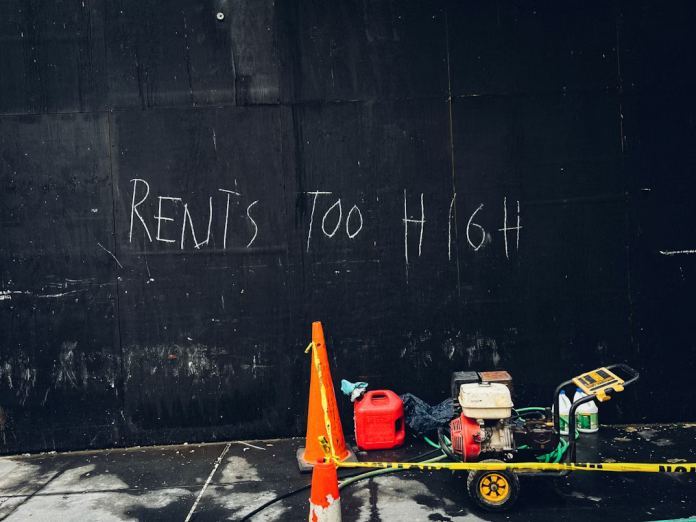
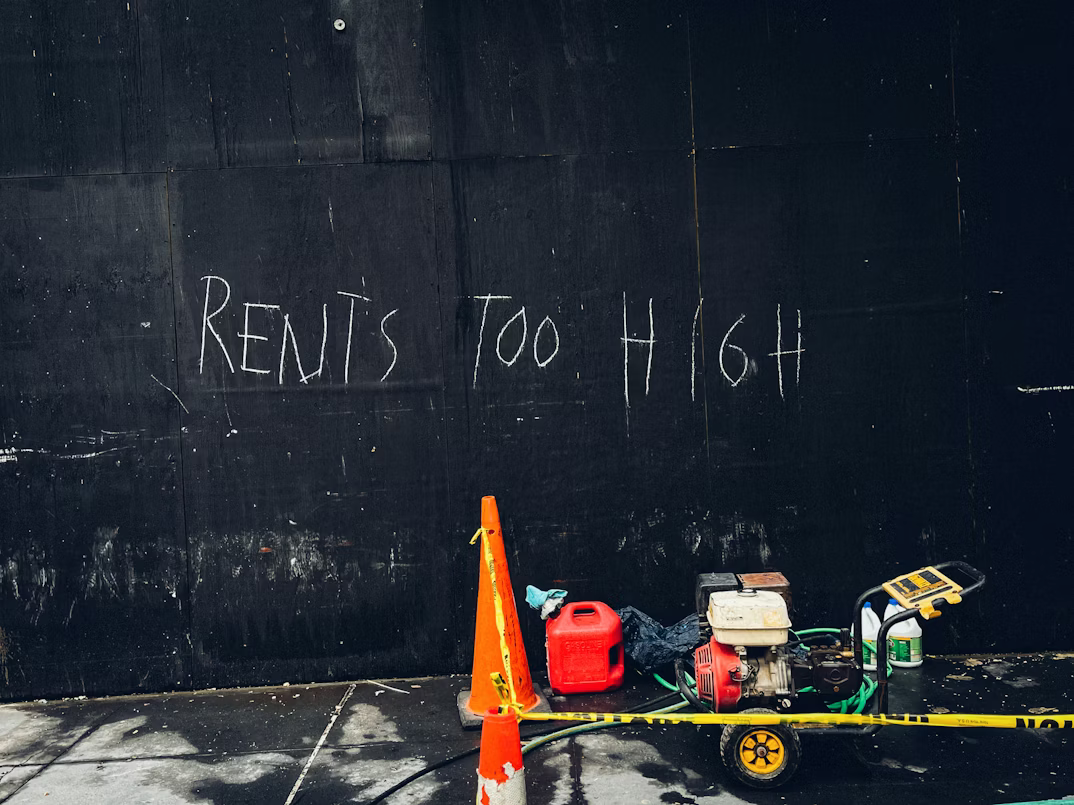
It’s no secret that Australia has been having a housing crisis for some time now.
While governments bicker about how best to solve it, it’s people like you who have to go from place to place, going through the rigours of finding properties, attending inspections, applying, and all that work just to end up getting rejected and starting from the beginning again.
This is made all the more frustrating by the fact that rental prices can vary widely by location. A house inspection in Blackburn might yield results nicely within your price range, while Toorak would absolutely break the bank.
So, in a time where rental prices are skyrocketing and rental homes are more difficult than ever to get into, where do prospective renters go next?
Is it regional?
The Current Situation
There are just under 10,000 rentals available in our great city. It would seem that supply is well and truly able to meet the demand, giving us a vacancy rate of 1.8% – 2%. This means that vacancy rates are improving, and more homes are being filled, which is always a good thing, right?
Yes and no. The fact that properties are being rented out is great, as that means fewer people living rough on the streets. However, with the current cost of living crisis, the numerous geopolitical conflicts occurring, and the global economic downturn as a result of Donald Trump’s tariffs, the rental market is the most brutal it’s been in the last few years.
This means that there’s more fierce competition for fewer properties, with the highest rent prices we’ve seen in decades. During a time when everything is more expensive than ever, people’s wages are worth less and less, and when families with two incomes are struggling to afford basic groceries, massive rental prices are a major concern.

City vs Country?
We’ve all seen the hallmark movies. A family undergoes some kind of major tragedy, the main breadwinner of the family has abandoned them or died or some such, so the family packs up and gets a fresh new start in the country.
Aside from idyllic surroundings and the quiet of the countryside as opposed to the constantly switched-on lifestyle of the city, it’s a fair enough image. However, there may be another reason why such media always have these families moving to the country: rental prices.
In Australia, Melbourne rents sit at an average minimum of $585 weekly. In our regional areas, the minimum rent is $425. And this is during a period where Melbourne is the cheapest city to rent in, in Australia. Thank goodness we’re not in Sydney.
But what does renting in the country vs the city actually look like?
Rural or Metropolitan?
The situation is a little unusual at the moment. Reports tell us that rent prices have reached a pretty stable cap at the moment, and that Melbourne is the cheapest city to rent in Australia. However, the facts are that renting is still a struggle if you’re living in the city, and despite being the cheapest it might have been in a while, renting in Melbourne still presents an exorbitant challenge. Even for households with a good income.
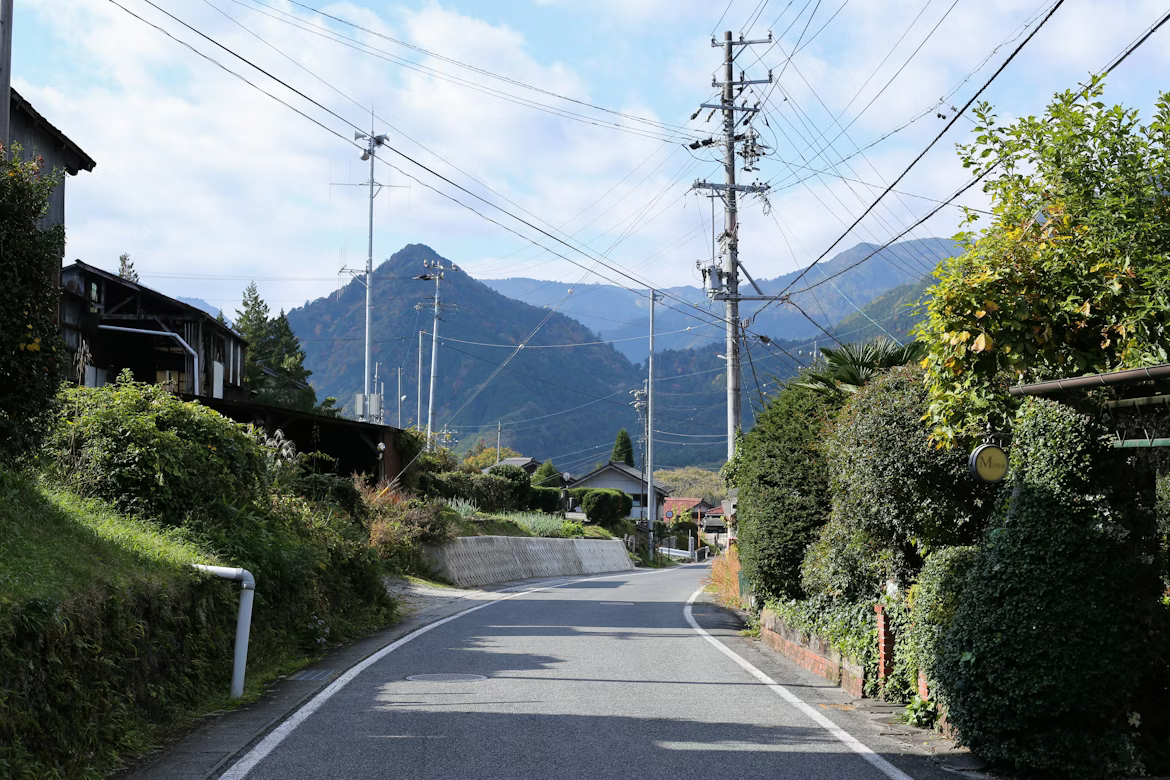
Meanwhile, rural renting is far cheaper, and there seems to be more available. However, unlike the city, its cheaper property values and readier availability mean that our rural areas are subject to exponential growth in the future. This means that while it’s cheap to move to regional Melbourne areas now, very likely growth margins in the future could mean that rent and cost of living in the country grow surprisingly fast.
Either way, renting is a gamble. It comes down to looking at your finances and determining what you need most right now: stable rent growth with more expensive immediate cost, or cheaper property access but with high potential for area growth.
How To Choose
It’s a difficult situation for anyone to be in, and the reality is that as property availability dwindles, prices increase across the board. Renters are already having a hard enough time getting accepted for their desired homes, as rental prices and invasive tenancy applications provide extensive barriers to new renters or people with unexpected home shifts.
What is most galling about all this is the lack of transparency on the landlords’ end. While tenants have to jump through various bureaucratic hoops just to earn a place to live, landlords get to live without scrutiny, and if you dare to challenge this, you could get faced with some nasty repercussions.
How do you choose whether to go with safe, high rent, or cheap rent with potential for development? All we can say is investigate. Budget until you’re seeing numbers in your sleep, track trends, and maybe try to get a side hustle or two. In a world where renters have little power, you need every advantage you can get.