

Choosing a career today involves more than just picking a job; it’s about matching your interests and skills with current market demands. With fast-paced technological advancements and ongoing impacts from the COVID-19 pandemic, it’s crucial to stay updated on emerging trends and in-demand professions.
Skill shortages arise from various factors, including economic changes, regional disparities, and an ageing workforce. Economic ups and downs can shift job availability, while local economic conditions and industry concentrations can create varying demand for skills. Additionally, as older workers retire, gaps are left in fields like healthcare and skilled trades, often not quickly filled by younger workers.
Technological advancements also play a major role. Rapid tech changes can make some skills outdated while creating new demands. This can lead to a mismatch between job requirements and available skills. Gaps in education and training systems can worsen these shortages if they don’t align with current industry needs.
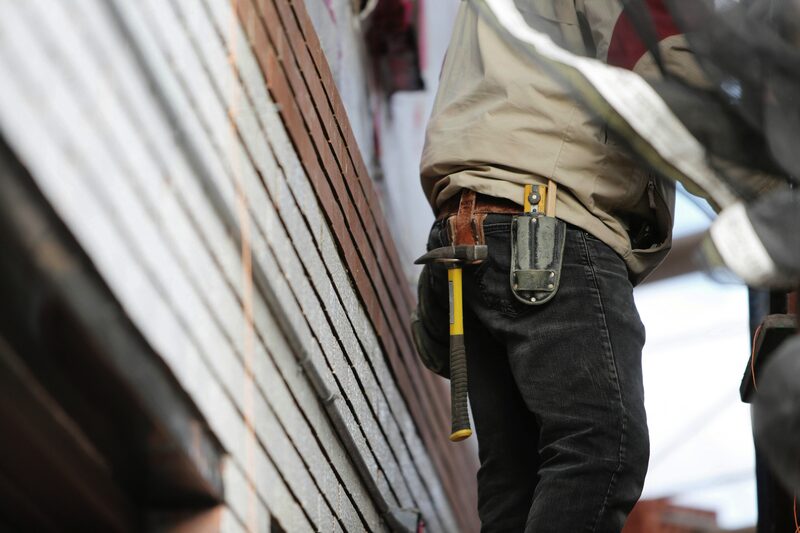
Recent data shows significant skill shortages in Technicians and Trades Workers, Health Professionals and Community and Personal Service Workers. To navigate this, job seekers should focus on skills in high-demand areas and stay informed about industry trends. By aligning their skills with current job market needs, individuals can enhance their employment prospects and career growth.