

By Deanne Jeffers
For the first time on record, house prices in regional Victoria have edged ahead of unit prices in metropolitan Melbourne, according to the latest data from the Real Estate Institute of Victoria (REIV).
Figures for the March 2026 quarter show regional house values jumped 3.8 per cent, reaching a median of $672,000, now more than $10,000 higher than Melbourne unit prices, which sit at $659,500.
The result represents the strongest quarterly rise for regional houses since 2021 and continues a streak of record-breaking growth across three consecutive quarters.
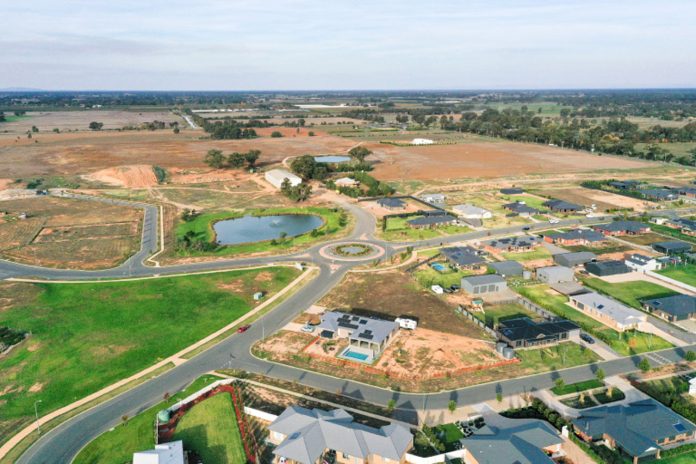
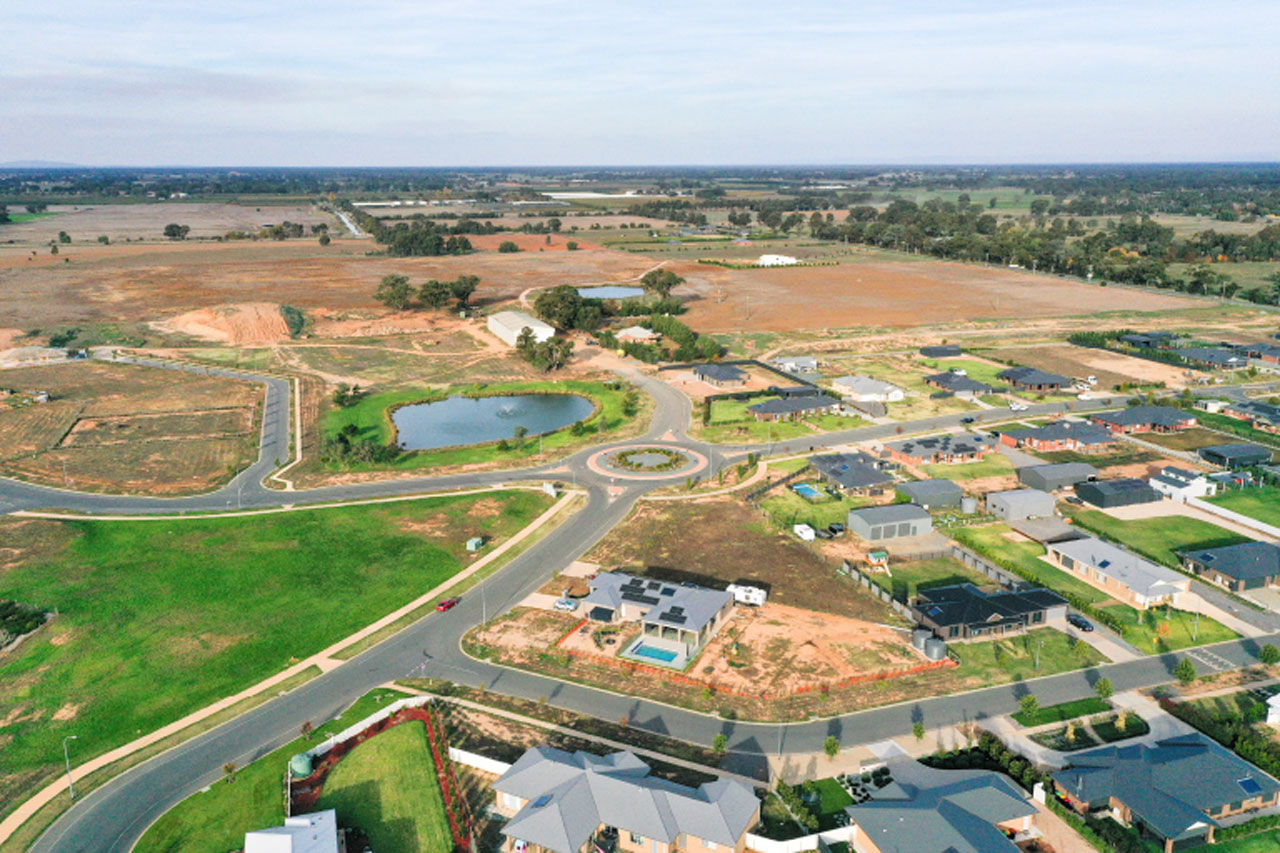
Greater Shepparton ranked fourth for annual house price growth among regional municipalities, with its median rising 19.3 per cent to $575,000 in the 12 months to March 2026.
For comparison, the strongest-performing metropolitan municipalities were Melbourne (13.2 per cent), Frankston (11.5 per cent) and Brimbank (11.3 per cent).
At a suburb level, four towns recorded double-digit growth, led by Tatura with a 22.8 per cent increase to $522,000.
Mooroopna and Shepparton both rose 15.5 per cent to $470,000 and $537,000 respectively, while Shepparton North increased 10.3 per cent to $684,000.
Growth in regional unit prices was more subdued, increasing 0.7 per cent to a median of $462,000.
Meanwhile, Melbourne’s housing market also continued its upward trend. House prices climbed to $991,500, their highest level since September 2022, while houses and units rose 1.9 per cent and 1.1 per cent respectively, marking five straight quarters of gains.
Outer suburban areas led the charge in Melbourne’s quarterly house price increases, with Taylors Lakes, Lilydale and Mornington all recording gains of at least 10 per cent.
REIV chief executive Toby Balazs said the figures highlight the resilience of Victoria’s property market.
“Despite global uncertainty, higher interest rates and ongoing cost-of-living pressures, these results reinforce the strength of Victoria as a reliable property investment market,” he said.
He added that, with a state election on the horizon, policymakers would be closely watching the data.
“There is a clear opportunity in the upcoming state budget to revisit tax settings that have placed pressure on investors and limited housing supply,” Mr Balazs said.