
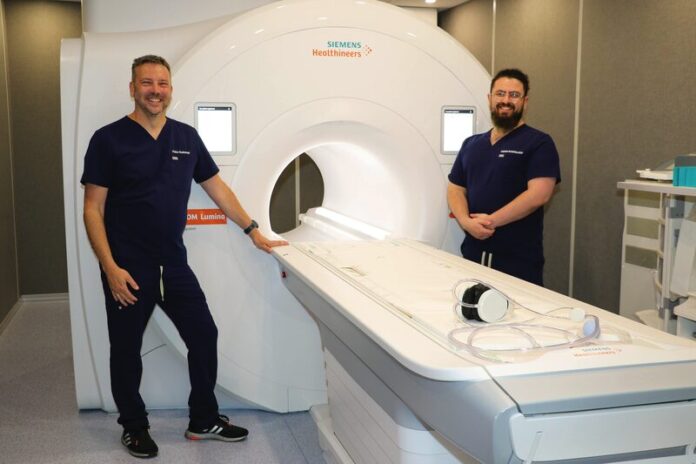
An instrumental part of diagnostic practices, MRI scans are used by doctors to diagnose and monitor numerous medical conditions such as cancer, stroke, trauma, and sporting injuries.
“MRI is an important medical diagnostic tool particularly useful for imaging soft tissues such as internal organs like the brain and spinal cord, ligaments and muscles, liver and pelvic organs and other tissues that don’t show up well on X-ray or computed tomography (CT) examinations,” explained Mark Ward, Lead MRI technologist at Shepparton’s newest medical imaging provider, Vision Radiology.
MRI is the only modality of diagnostic imaging in Australia which operates under a licensing system. This system is currently undergoing reform to provide critical diagnostic imaging services to more regional and rural Australians.

As it stands, licences are granted on a full or partial basis. MRI machines with a full licence attract a Medicare rebate on all MRI services listed on the Medicare Benefit Schedule (MBS), whereas MRI machines with a partial licence only attract a Medicare rebate on a small subset of items listed on the MBS.
Currently Vision Radiology are eagerly awaiting the Australian Government’s Stronger Rural Health Strategy reform that will deregulate current MRI Medicare equipment eligibility requirements (licencing) from MRI machines in regional, rural and remote areas. This reform will most likely render them a partial license from November 2022 allowing a subset of specialist referred prostate studies and the GP referred items.
While patients currently will not receive any rebates for MRI services at Vision Radiology, they are able to accommodate patients in a timely manner, at a time when medical wait times are extensive. Vision Radiology wish to help reduce the pressure of out-of-pocket costs for their patients and improve disease detection and management for the people of the Goulburn Valley community.