

By Natasha Fujimoto
LIKE so many who have had this extremely unpleasant experience, 77-year-old former medical scientist David was not only baffled when he received an immediate notification from his phone that his credit card had “insufficient funds” while trying to pay for his weekly instalment of ready-made meals, but also distraught that he lacked the mobility to go to the bank to resolve the issue himself, or the dexterity to call them.
When this avid lover of history and keen competitive chess player came to realise he was in fact a victim of suspected credit card fraud, his concern quickly turned to frustration. Unable to navigate lengthy automated phone queues or recall the account details needed to reach an operator, he was left exasperated and, worse, at the mercy of a possible scammer continuing to operate at his financial expense.
Troublingly, David is not alone as too many older Australians are frequently met with barriers when trying to access bank customer service. From rapid branch closures to increasingly inaccessible digital platforms, seniors—particularly those in regional areas or living with age-related vision, hearing or cognitive changes—are disproportionately affected.
“The only access I have to the bank is by phone,” David said, “… and to get through the exhaustive process, it’s just so difficult. They ask for things like my CRN, which is fine, and then a tele code – and I don’t have a clue what they mean by a tele code.”
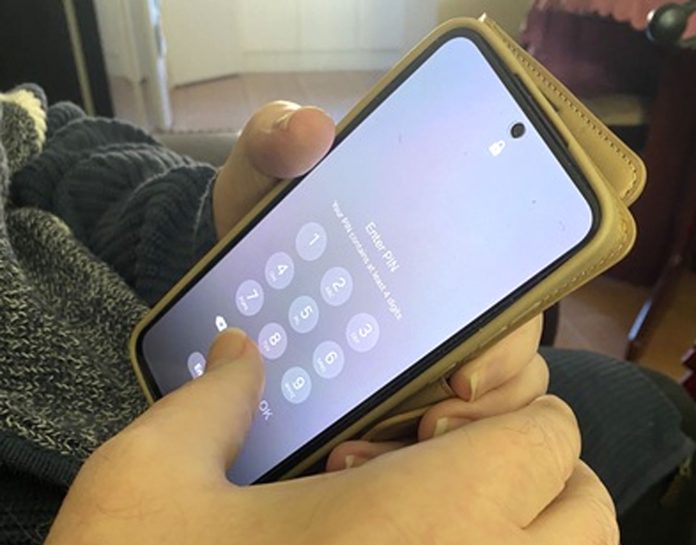
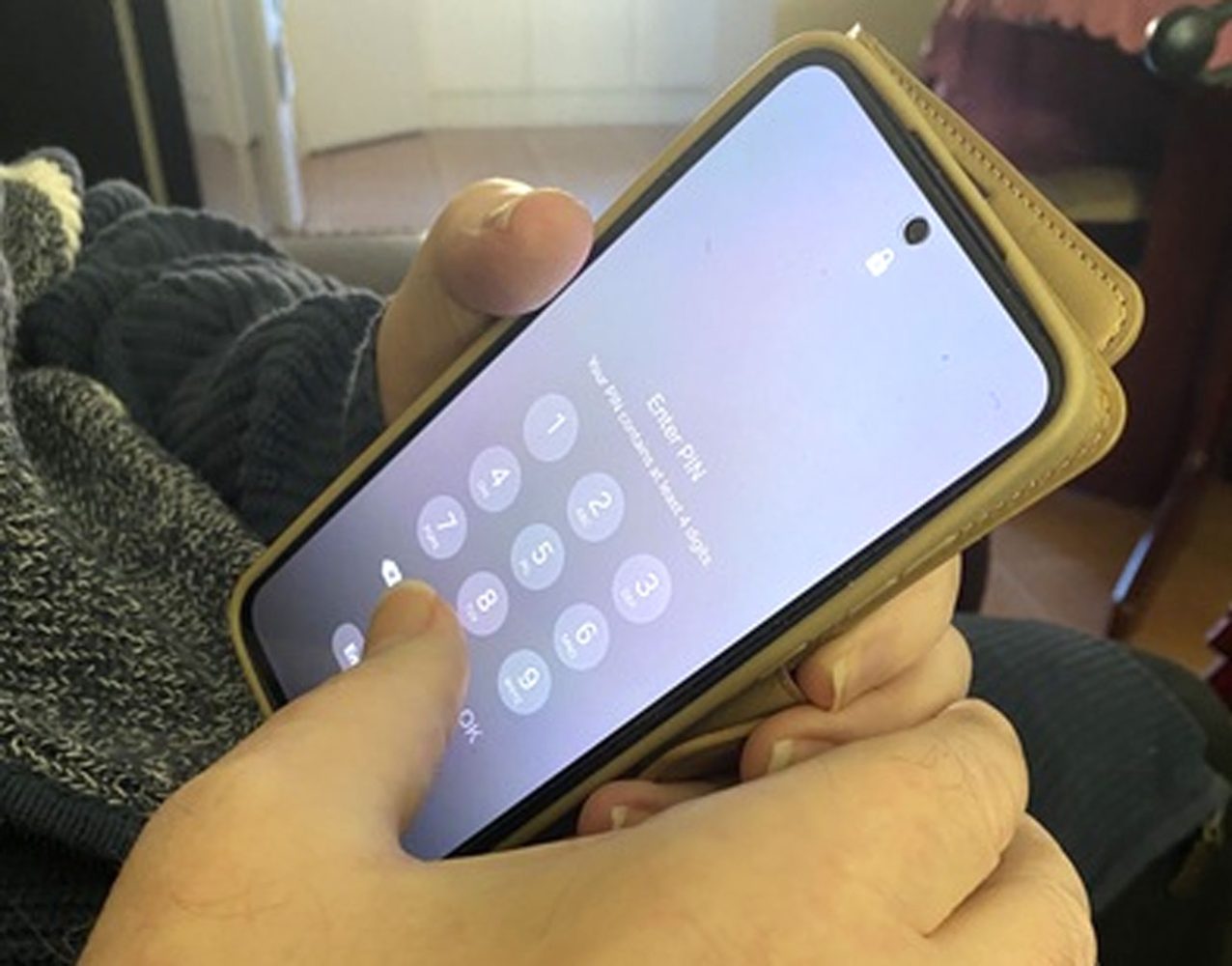
For David, phone contact is the only realistic way to communicate with his bank. However, with limited flexibility in his fingers and impaired vision following a stroke two years ago, navigating complex automated menus and enduring long wait times is not only frustrating but physically exhausting.
While his hearing remains relatively good, unlike those who struggle with hearing loss where speech can be too fast or numbers easily misheard, his only practical option in this urgent situation was to ask his daughter to act on his behalf. That, however, required an enduring power of attorney. Not only time consuming and complex in itself, but the process will take a minimum of 30 working days to be processed by the bank.
“I’d just like to resolve this issue,” David said, “and the only way for me to do so is for the bank to finalise processing my power of attorney documents so my daughter can solve all these problems.”
While David has no choice but to wait for the bank’s protracted processing to be completed, his compromised credit card continues to accumulate interest for the bank. “Frustrated’, in his own words, David wonders, “What has changed so much that I cannot even speak to an operator about a crime on my account?”