
By Cassidy Parker
ON social media, you’ll hear a lot of discussion about a coming fuel crisis and Australia’s dwindling reserve. While these concerns are real, the complicated reality of our fuel security can be left behind when panic and rumours set in.
Conflict across the Middle East has led to the closure of the Strait of Hormuz, a crucial trade route for oil. This has the potential to leave a worrying dent in Australia’s fuel imports. However, this isn’t the same as running out of fuel, just an increased challenge, and therefore increased price to import it. Here are a couple of facts about the fuel crisis, and how it effects regional places like Greater Shepparton.
Australia is reliant on imports for its fuel supply. Whilst most of our oil is refined in Asian countries, those countries are reliant on Middle Eastern countries and the Strait of Hormuz for the oil.
For regional areas such as Greater Shepparton, which are reliant on agriculture, concerns about diesel are top of mind. From the neighbouring Ovens Valley, political voices have raised concerns about farmers securing diesel deliveries, with National Party member Tim McCurdy criticising Australia’s fuel security measures as “leaving farmers vastly exposed”.
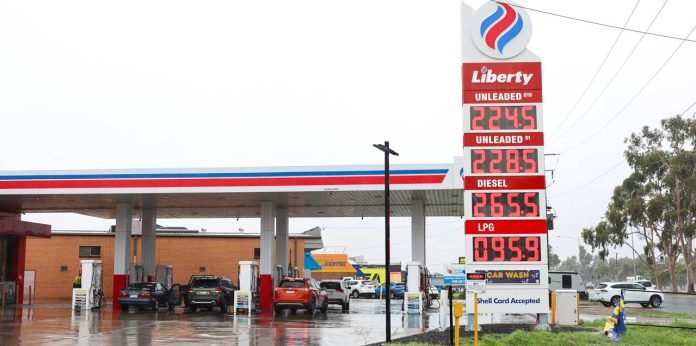
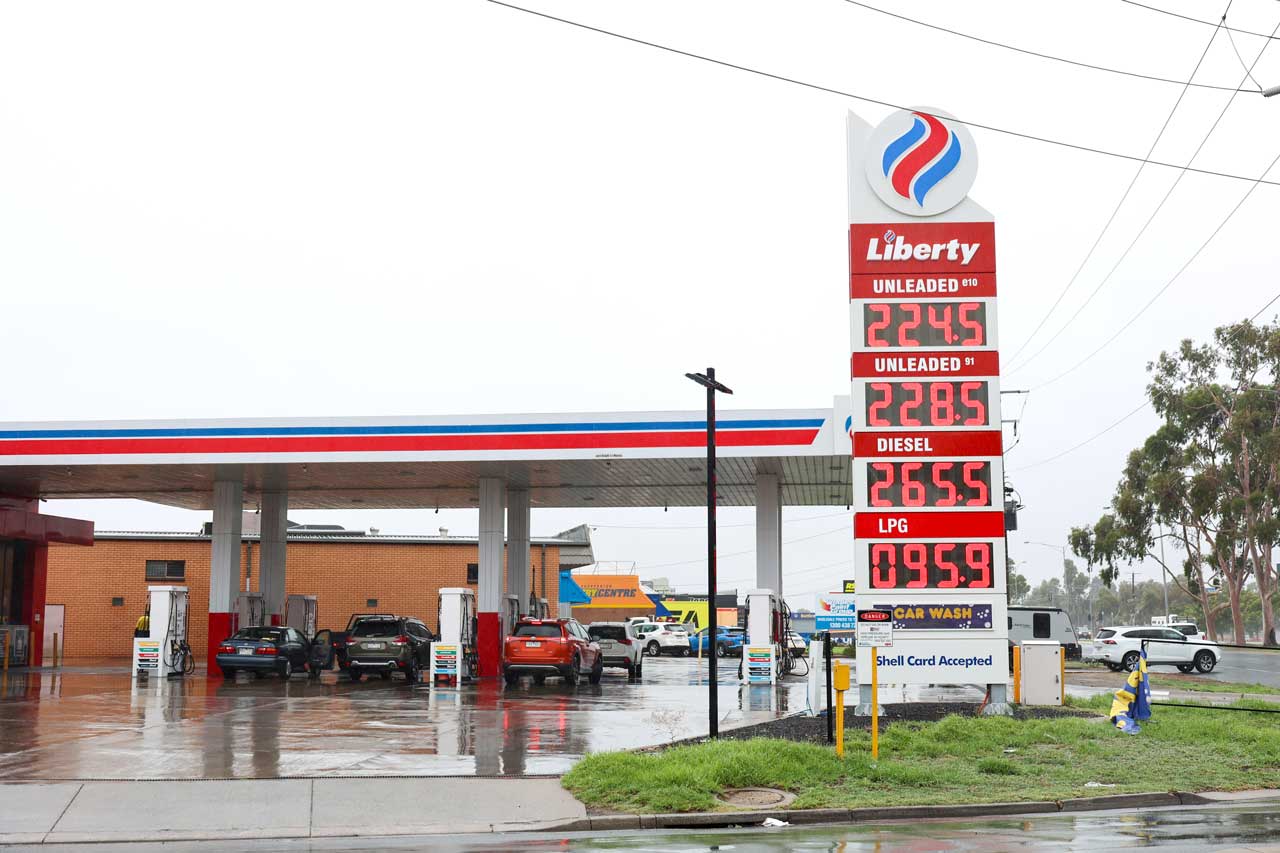
Since last week, our local petrol stations have seen significant increases in petrol prices, with most sitting at approximately 230 cents per litre for Unleaded 91 petrol, and 250 cents per litre for diesel at the time of publishing.
According to the Australian Institute of Petroleum, which publishes a weekly report tracking the cost of fuel across Australia, from the week ending March 8 to the week ending March 15, the national average retail price jumped from 198.0 cents per litre to 219.5 cents per litre. However, across the week ending March 15, regional Victoria still saw the lowest average retail price, at 215.2 cents per litre – making it the lowest of all Australian regions that were studied.
Nationally, Australia has a series of checks in place attempting to protect against a fuel crisis, including a legal minimum stock holding obligation enforced by the Department of Climate Change, Energy, the Environment and Water, which means gasoline refiners must hold a baseline stock of 24 days’ worth of gasoline, and importers must hold 27 days’ worth. Diesel refiners must hold 20 days’ worth, and diesel importers must hold 32 days’ worth.
Recently, the Australian Government decided to release up to 20 per cent of these domestic reserves, specifically to relieve regional markets. Along with a daily fuel cap recently introduced by the Victorian Government, and international benchmarks monitoring fuel reserves, Australia’s fuel security is being closely monitored.
The 90-day International Energy Agency benchmark has never been met. Geographically, the challenge is to disperse fuel to regional Australia, particularly in areas where supply is short.