By Deanne Jeffers
UNLOCKING Greater Shepparton’s true potential and overcoming challenges to industry and liveability are a key focus ahead of the Victorian Election in November.
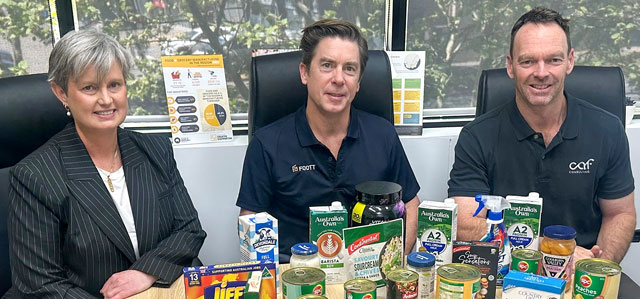
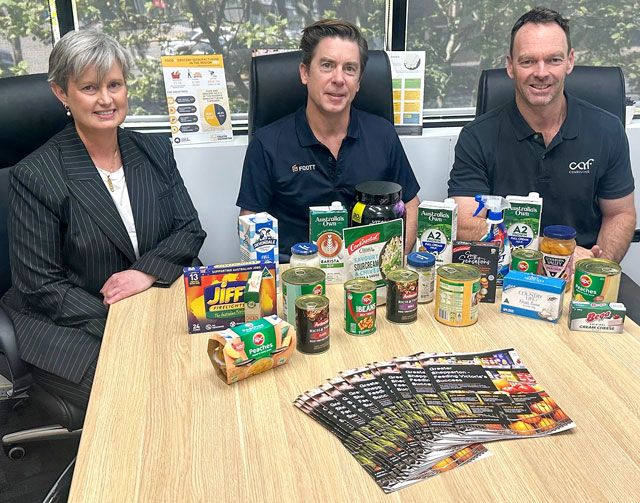
The Committee for Greater Shepparton (C4GS) has launched its advocacy document, Greater Shepparton – Feeding Victoria’s Success, outlining key policy areas and investments it would like to see prioritised by the next State Government.
“Greater Shepparton has never been more vital to Victoria’s economy than we are today, because of what we produce, what we export and the further growth potential that’s in this region,” C4GS CEO Linda Nieuwenhuizen said.
“That growth is being held back by infrastructure that’s not there, or by the challenges of securing the workforce we need to take on the jobs that we have in the region.”
Funding for the Community Connector Program, which has helped about 900 people relocate to Greater Shepparton since 2021, is a key area in boosting workforce attraction, retention and development.
Ms Nieuwenhuizen said the region was competing nationally and globally for skilled workers, making liveability an increasingly important factor in attracting and retaining talent.
“When you’re the biggest in Australia for oil crush or UHT milk, the pool of people that you can attract for those roles is global, national and regional,” she said.
“For them to decide where they relocate to, increasingly liveability is determining that decision.”
C4GS is also calling for improvements to the region’s bus network, investment in the TAFE precinct, more land for housing and industrial and commercial development, improved energy and water infrastructure, freight connectivity and road networks.
The organisation said these were not simply issues for industry, but important factors in making Greater Shepparton an attractive place to live and work.
“We don’t want that extra obstacle for a regional area that already has chronic workforce shortages and is in direct competition with Ballarat or Geelong or Bendigo,” Ms Nieuwenhuizen said.
A more reliable bus network, for example, would benefit not only young people and those without cars, but professionals and families relocating to the region.
Blick said transport was often one of the first issues raised by people moving to Greater Shepparton.
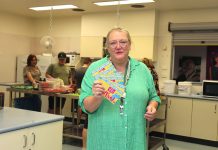
“There’s not really a bus network. I mean, there is, but you have to actually plan your day around when that bus is going to come,” said Fiona Blick, who oversees the Community Connector Program. “It’s literally one of the first conversations we have.”
The Community Connector Program is currently funded by C4GS and a member partner, but has been scaled back to 0.6 of a full-time equivalent position. The organisation is calling for $600,000 in funding across four years to help meet demand.
The program has supported people relocating from overseas and interstate, with about 60 per cent of those assisted coming from overseas and 40 per cent from elsewhere in Australia.
Blick said the support extended beyond finding employment, with relocation often involving childcare, schools, transport and social activities.
“Even people from other parts of Australia relocating to a region, it’s still a challenge,” Ms Nieuwenhuizen said.
“A lot of those challenges are common, whether it’s childcare, school, transport or social activities.”
C4GS is also highlighting the need for greater housing diversity, particularly for professionals seeking apartment-style or low-maintenance accommodation.
Ms Nieuwenhuizen said the region had already lost potential workers because suitable housing was not available.
“We need more housing land for housing growth, but we certainly know with many of the people relocating they’re looking for alternative types of housing,” she said.
The advocacy document also identifies water as a key challenge for the region’s food-producing economy, with C4GS calling for support to help communities adapt to changes associated with the Murray-Darling Basin Plan.
Ms Nieuwenhuizen said the region needed to ensure its irrigation network remained as efficient and cost-effective as possible for those continuing to farm.
“We need significant funding to support that transition, and it needs to be delivered in partnership with communities, not done to the communities,” she said.
Underlying the document is the argument that Greater Shepparton’s existing industries are ready to grow, but need public infrastructure and policy settings to keep pace.
“We have already existing momentum and intent to invest,” Ms Nieuwenhuizen said.
“We just need to get everything else to catch up, and then you immediately unlock that.”
C4GS will continue discussing the priorities with election candidates ahead of the November poll and is planning a candidates forum following the close of nominations.